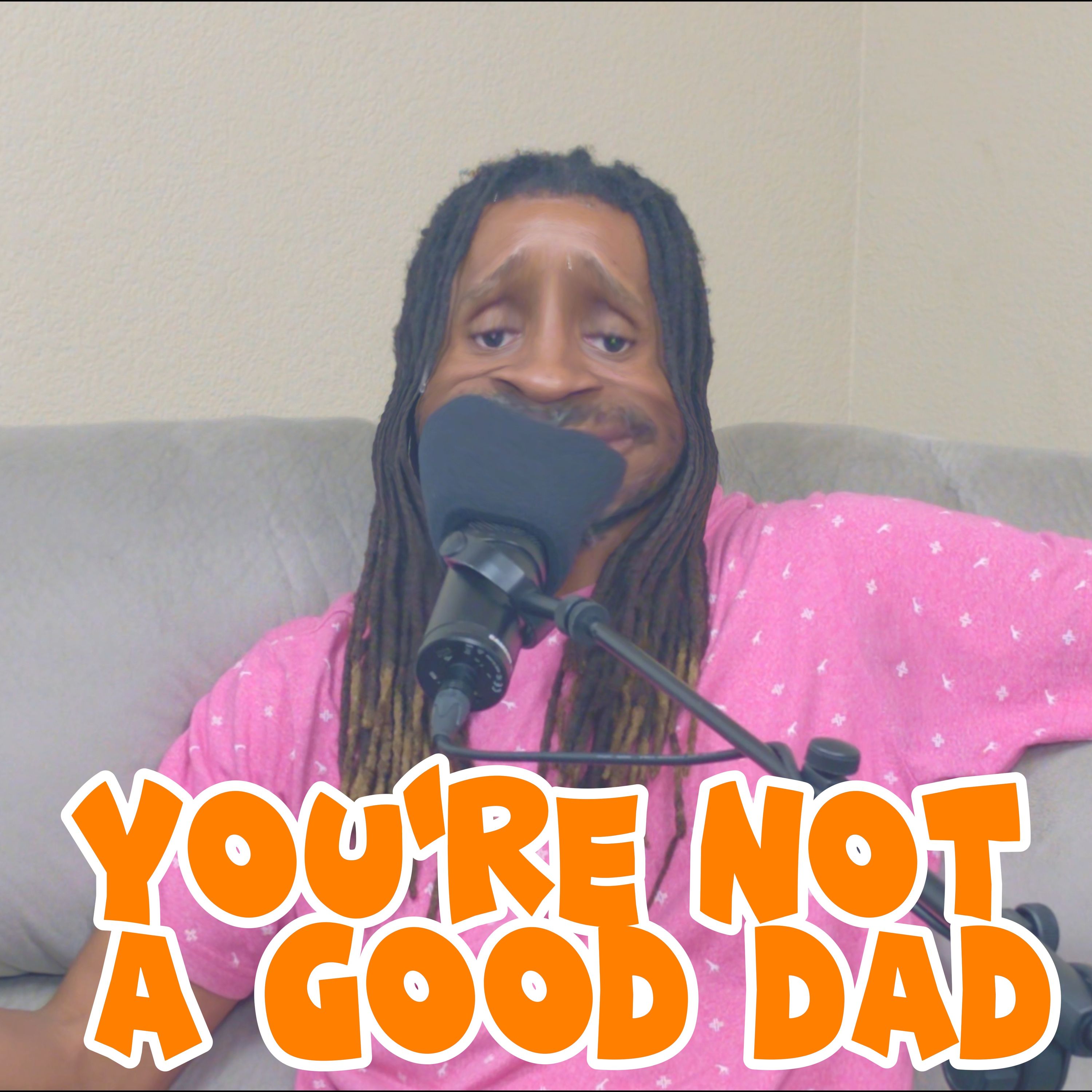
Episode #18
You're Not A Good Dad
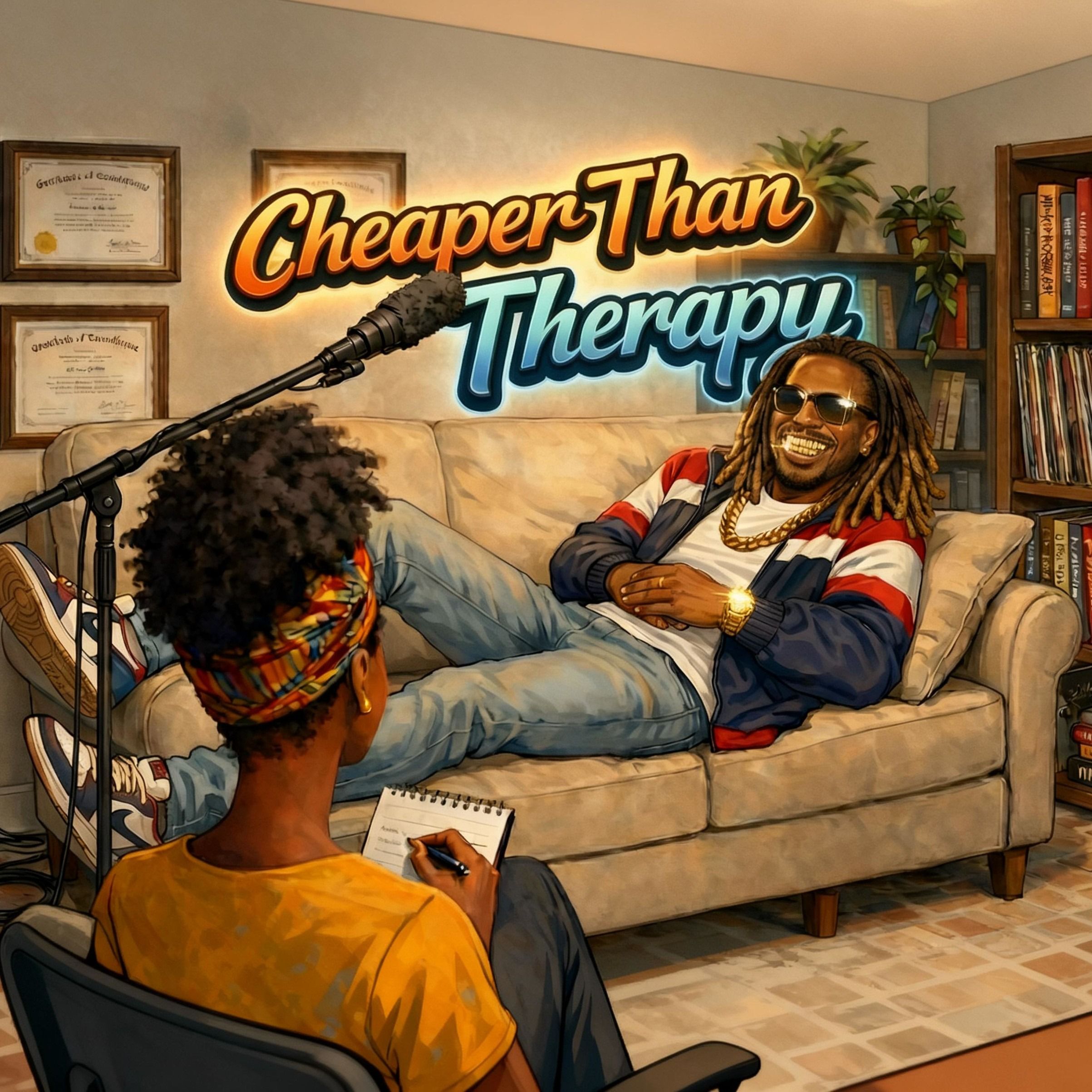
Rouge returns for the longest and most personal episode of Cheaper Than Therapy yet. After explaining how a failed camera ruined the previous recording, he gets into the frustrations of producing a podcast independently, trying to outsource clips, and using AI that still does not always understand the cultural assignment. He then takes a hilarious detour through overpriced streaming subscriptions, surviving on an ex’s password, an undercover menthol-cigarette exchange, and the Disney+ profile that got his entire household kicked off an account. The heart of the episode begins when Rouge’s seven-year-old son walks into the kitchen and tells him, plainly, that he has not been acting like a good dad. Instead of dismissing him for being a child, Rouge admits his son has a point. That conversation turns into an all-day adventure involving Costco samples, multiple parks, monster trucks, and ice cream—but the real lesson is that his son wanted his time more than anything money could buy. Rouge looks back on periods when he could barely afford anything for his children, including a painful memory of buying his two sons one cheeseburger each while having nothing for himself. He connects those struggles to his own favorite childhood memories and argues that children remember attention, traditions, play, and emotional safety far longer than expensive gifts. He also reminds struggling parents to give themselves credit when they are genuinely trying, while still holding absent parents accountable for failing to show up. The conversation expands into what Rouge teaches his sons about race, respect, and community. He explains why loving, protecting, and respecting Black women is a priority in his household, then recounts workplace experiences that made him feel his qualifications were being judged through racial optics—including a Target interview that changed the moment the interviewers saw him in person. These stories lead into a broader discussion about preparing Black children for racism without teaching them that success is impossible. Rouge also confronts his early years as a father. He became a parent at 17 and admits that his older children experienced a younger, less responsible version of him—including a night when he brought his infant son around a party without enough supplies. He discusses why whoopings never corrected his own behavior, how he gradually replaced physical punishment with consequences that mattered, and why posting a child’s punishment online is humiliation rather than discipline. Finally, Rouge opens up about nearly losing his relationship with one of his older sons. What Rouge viewed as creating space before an argument became physical was experienced by his son as abandonment. Their relationship only began healing when Rouge stopped protecting his pride, listened to what his son felt, and made room for an honest conversation. The episode closes with Rouge’s philosophy on bullying and self-defense—and the unbelievable revelation that his seven-year-old now has a crew of “bodyguards” at school. What matters more in parenting: providing financially or being emotionally present? Should parents apologize when their children tell them they caused harm? And where is the line between discipline and humiliation? Share your take in the comments. Subscribe to ItsMoolahRouge for full episodes of Cheaper Than Therapy , podcast clips, comedy skits, and voice-overs. www.allmylinks.com/itsMoolahRouge