The Long Island Sound - Music and Entertainment Discovery Begins! Find the Artists who entertain us!
Hank Stone: Why It's Never Too Late to Start Your Music Career
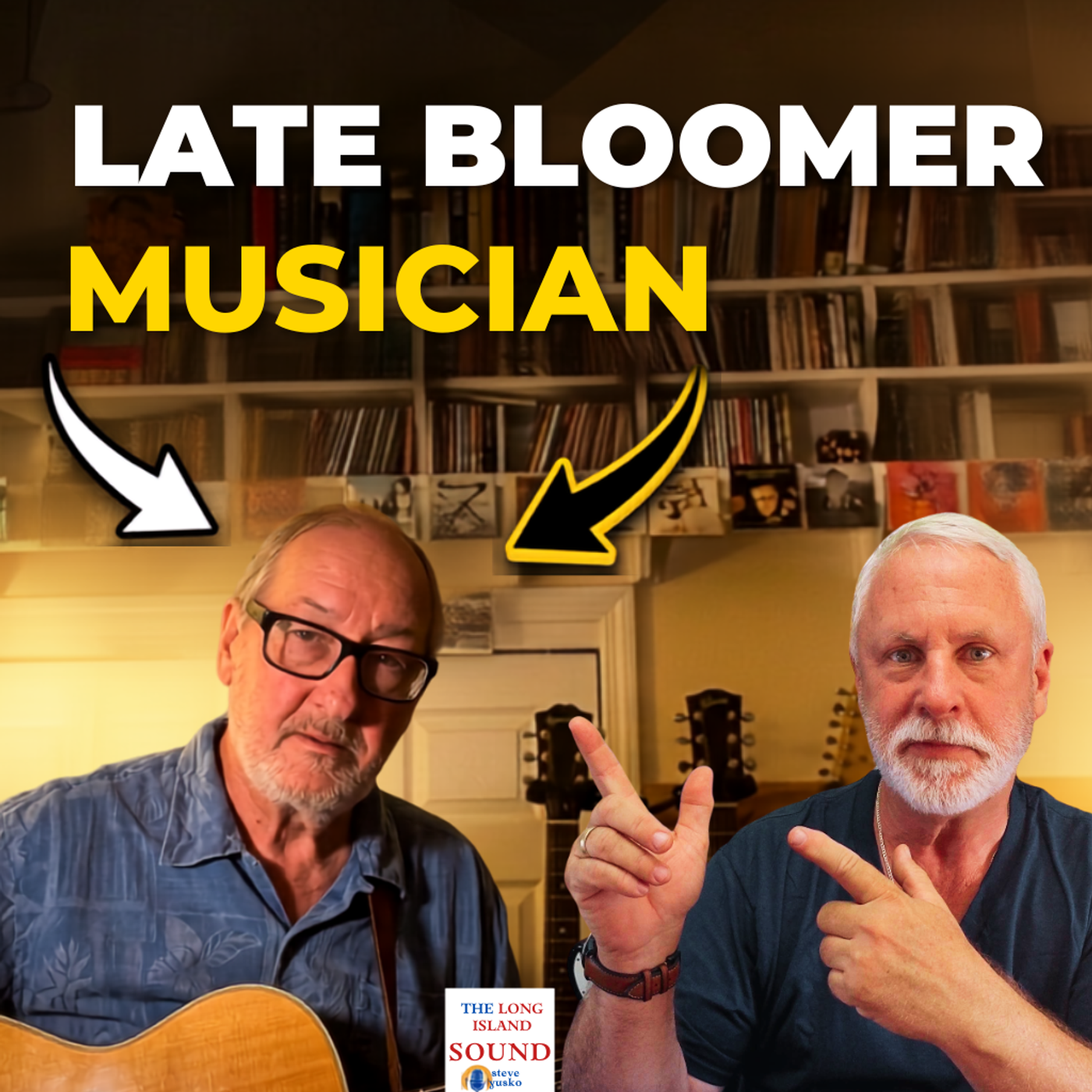
Hank Stone on late-blooming, folk protest music, and finding your voice. HankStone.music Steve Yusko talks with Patchogue-based singer-songwriter Hank Stone about his path from Queens rock bands to a decades-long break from performing, then a return through Long Island open mics, recordings, and community collaboration. The conversation centers on the resurgence of folk and protest music, how songwriting evolves over a lifetime, and why live music and local scenes still matter. Hank traces his early guitar education in Queens, from school lunch-break lessons to studying Spanish guitar with Don Felice Alfino. Hank talks about the community-driven recording process behind his albums, including Tony Di Stepano, Bill Herman, Bill Ayas, and a long list of guest players and backing vocalists. He breaks down how a partial capo opened up new instrumental ideas and became part of his signature fingerstyle approach. He shares how his songwriting can start with lyrics, a groove, a character, or a melodic idea, with no single formula. Timestamps: 00:00 - Steve frames the episode around the resurgence of folk and protest music 01:24 - Hank Stone’s Queens roots and the late-bloomer arc 03:19 - Early guitar lessons, Spanish guitar training, and the Beatles-era band years 05:38 - Why he stepped away from the stage for decades but never stopped writing 06:35 - Returning in 2001 through open mics, benefits, and first recording opportunities 07:40 - How Long Island’s collaborative music scene shaped his albums 08:38 - Tribute records, Christmas songs, and the making of Pie for Breakfast 10:59 - Writing from memory, story, and character-driven perspectives 12:27 - Alternate tunings, early experiments, and discovering the partial capo 14:52 - Fingerstyle playing, quiet late-night practice, and his no-pick technique 16:04 - Lyrics first, melody first, or both at once 17:29 - What it felt like to return to open mics after years away 18:28 - The trio Rough Folk and the band version of the project 19:25 - Running an open mic and coaching newer performers through stage nerves 21:48 - How harmonica fits into his sound without becoming a blues or Dylan imitation 22:19 - Reimagining “I Pity the Poor Immigrant” for the Dylan tribute project 24:19 - Why folk still matters in the era of protest songs and social witnessing 24:48 - The writing and emotional toll behind “Once Again” 26:09 - “This Is My Country,” immigration, and the power of collaboration 29:12 - Scott Cook, hopeful protest writing, and songs that point toward action 30:53 - Hosting Down Home Country on WUSB and learning classic country on the fly 34:08 - The Hucksters, neglected covers, and new live gigs 36:18 - Video presence, live clips, and how musicians get discovered now 38:11 - Pandemic Zoom songwriting prompts with Ben Diamond 39:23 - Becoming more open to collaboration after years of writing mostly alone 39:46 - Pie for Breakfast and the hopeful imagery in “The Sun Rose Right Out of the Sea” 41:16 - Why Hank refuses to pin himself to one genre 44:46 - Using Suno for demos, not as a replacement for human songwriting 49:49 - Advice for late bloomers: play every day, then play for people Play guitar every day, even if it is only 30 minutes. Try open mics to build stage confidence and learn from other players. Record rough demos however you can, then share them with potential collaborators. Seek out local live music scenes, house concerts, and community radio. Http://www.youtube.com/@thelongislandsoundpodcast?sub_confirmation=1