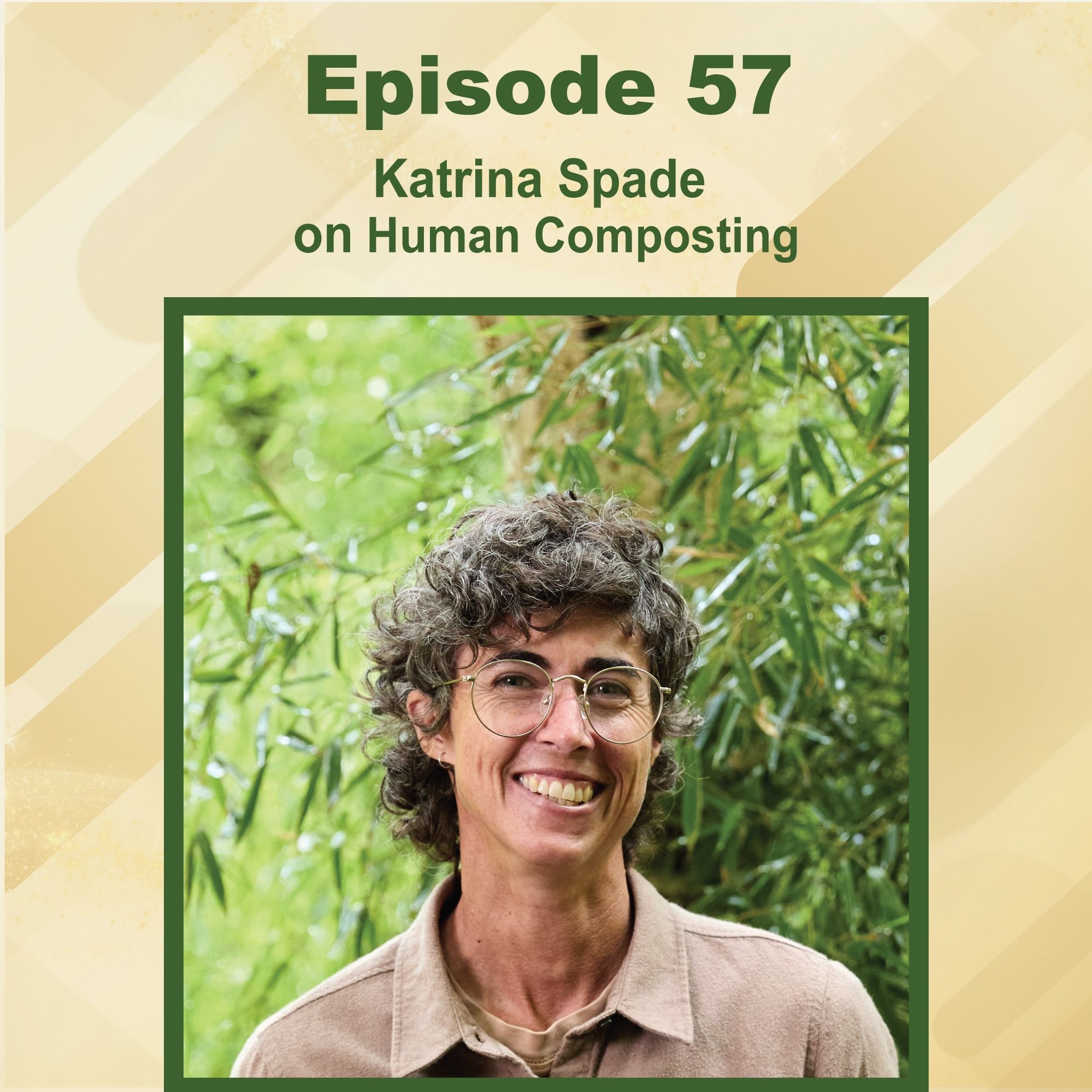
Oct 19, 202655 min
On this week’s episode, I FINALLY talk to my friend Katrina Spade, the pioneer of natural organic reduction, also known as human composting, in the United States, and the founder of Recompose, a Seattle-based funeral...


society
Hosted by Tanya D. Marsh · society · EN
Death, et seq. literally means "Death and what follows." This podcast addresses all aspects of death care in the United States -- options for funerals and disposition, the ways in which "traditions" are being disrupted, and where death care is headed. A broad range of experts within the funeral industry and various reform communities are invited to share their views. Listeners are invited to actively participate by submitting questions and topics of interest.
Required Pod Score for this podcast. PitchCentric checks your profile against host openness, topical fit, and audience signals before you generate a pitch.
Contact path
Verified email
Booking probability
33%
Guest openness
Selective
Sign up to generate a grounded pitch for Death, et seq..
Signup to Generate a PitchDeath, et seq. literally means "Death and what follows." This podcast addresses all aspects of death care in the United States -- options for funerals and disposition, the ways in which "traditions" are being disrupted, and where death care is headed. A broad range of experts within the funeral industry and various reform communities are invited to share their views.
Death, et seq. is hosted by Tanya D. Marsh. The show has published 56 episodes to date.
Recent episodes include "Episode 57: Katrina Spade and the Invention of Human Composting" (19 October 2026, 55 minutes), "Episode 56: Permanent Placement of Cremated Remains with Honnalora Hubbard" (5 October 2026, 58 minutes), and "Episode 55: Why Good People Leave Funeral Service with Jon Raper" (22 September 2026, 57 minutes).
Death, et seq. publishes roughly every two weeks, with episodes averaging 47 minutes across 56 episodes.
Booking probability for Death, et seq. is 33%, and the host is rated Selective on guests. Death, et seq. requires a Pod Score of 80 or higher. Death, et seq.'s contact route on record: verified email.
The strongest fits for Death, et seq. are Funeral Services. Death, et seq. has a society audience.
Tanya D. Marsh hosts Death, et seq., a society podcast with 56 episodes published.
Our AI reads these to draft pitches. Use them as grounding for a pitch that cites a real guest and a specific topic.
On this week’s episode, I FINALLY talk to my friend Katrina Spade, the pioneer of natural organic reduction, also known as human composting, in the United States, and the founder of Recompose, a Seattle-based funeral...
Today we're talking about something that sits in closets, on mantels, and even on kitchen counters across the country: urns holding the cremated remains of people we love, often with no plan for where they will finally...
Today, more than 90% of mortuary school students are first generation funeral directors. Three out of four of them are women. And increasingly, there are people in mortuary school who are in the middle of their lives...
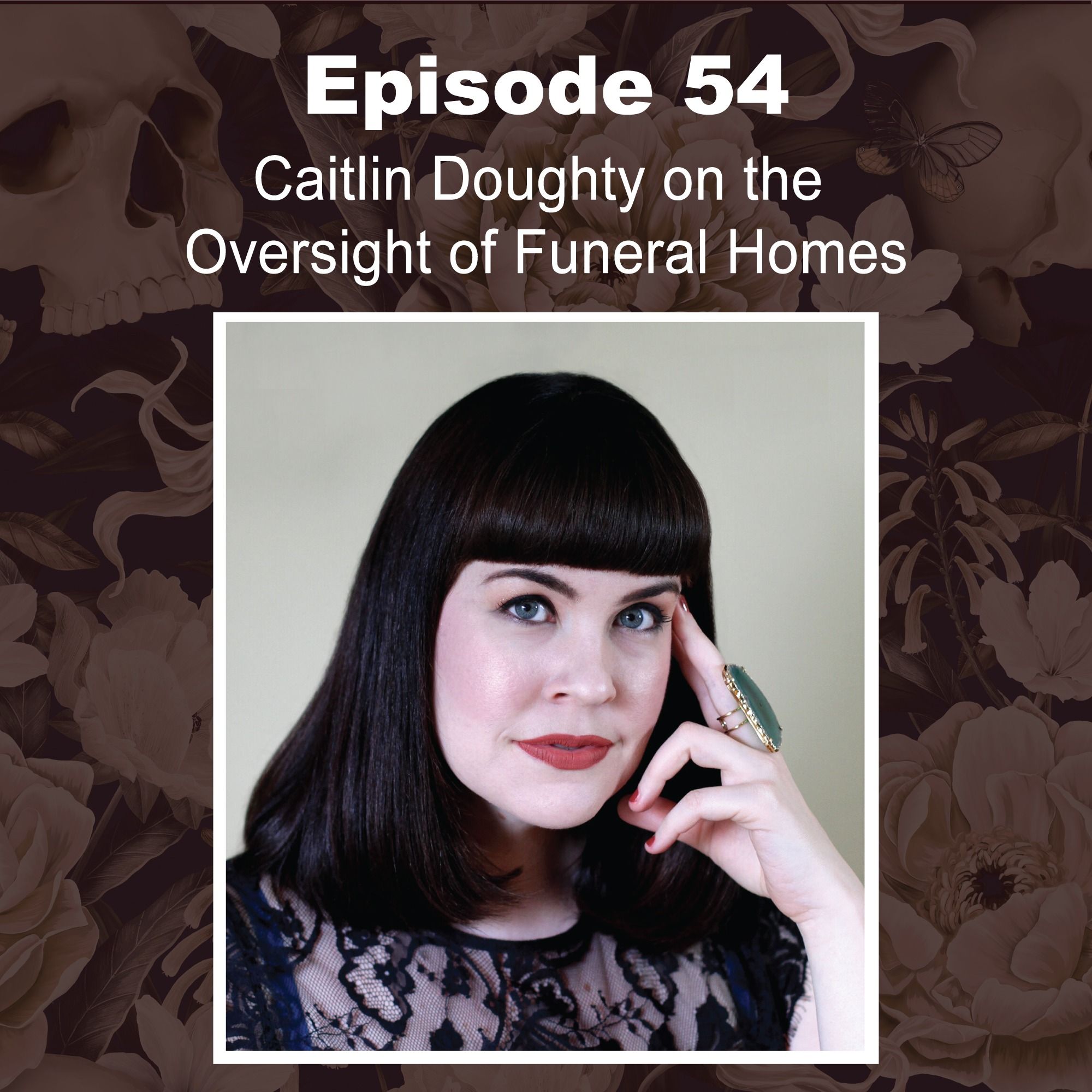
On this week's episode, Caitlin Doughty discusses the most recent scandal in the funeral industry and what regulatory structures could be used to prevent this from happening again. On August 7th, Chicago police, acting...
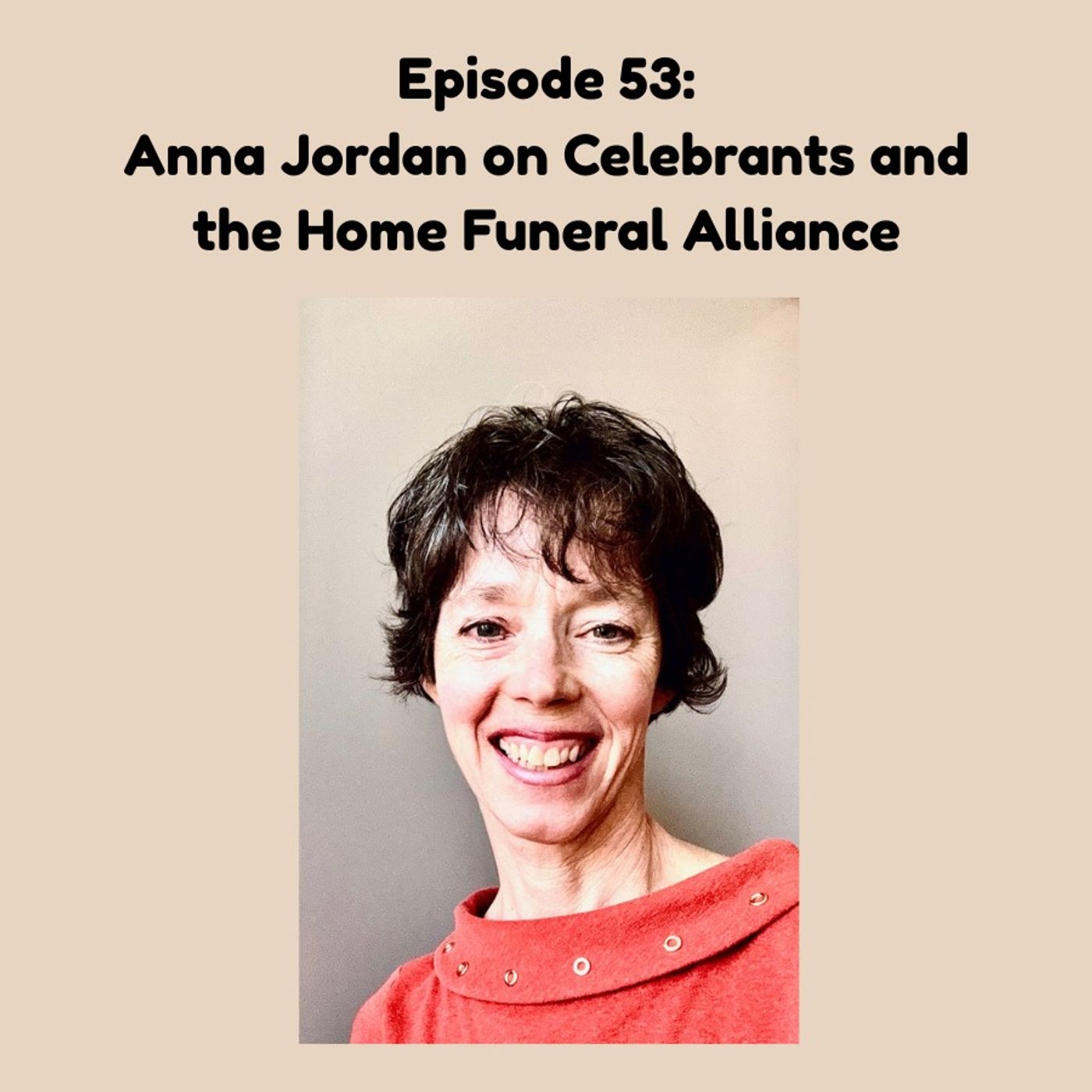
On today’s episode, I’m joined by Anna Jordan. Anna is a funeral director and a certified life cycle celebrant and a member of the board of the Home Funeral Alliance. I’ve had the opportunity to work with Anna on a...
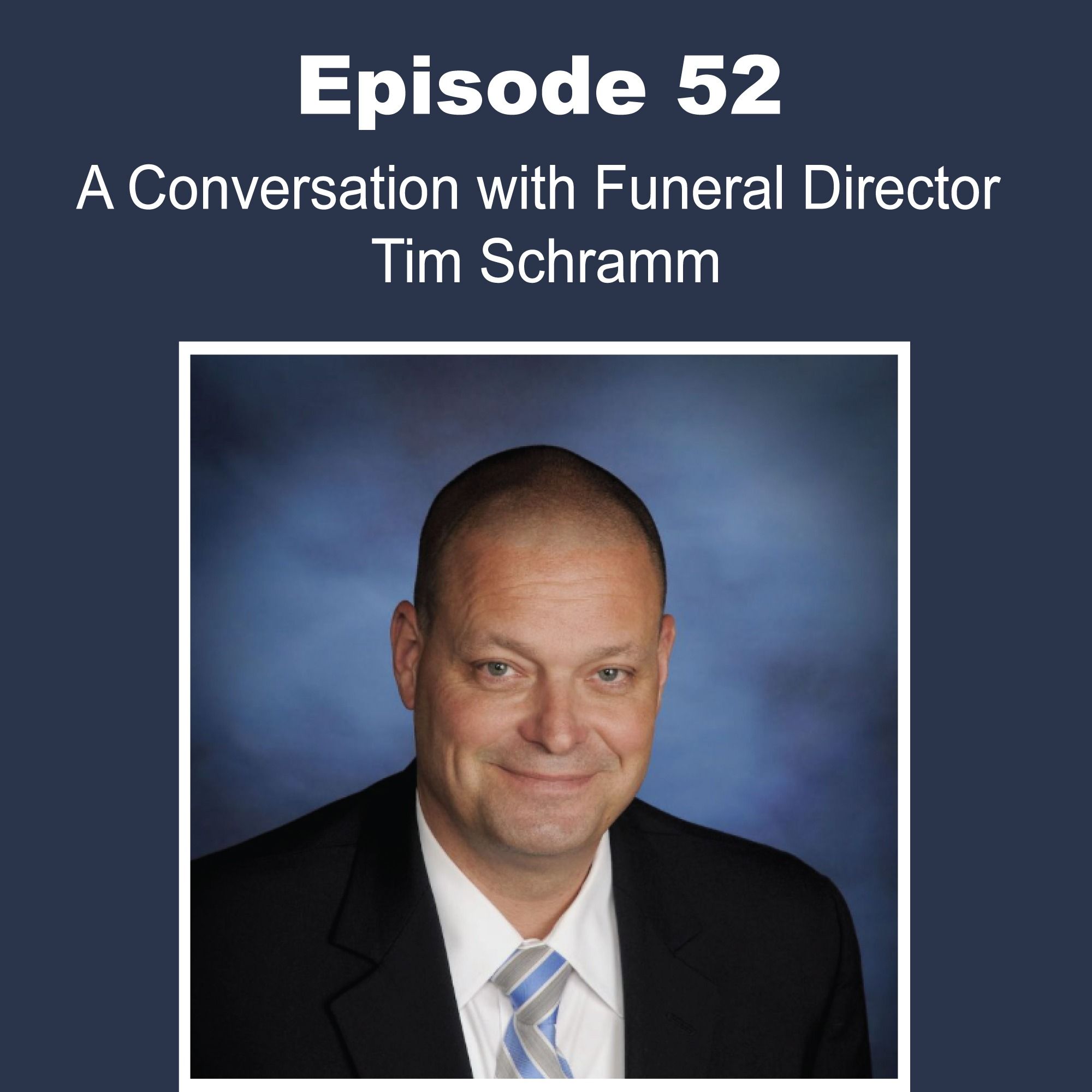
If you’ve been listening to this podcast for a while, you’ve heard from a lot of what I’ll characterize as “progressive” or “new” entrants in the death care space. We’ve had episodes on green burial, death doulas...


Anatomical dissection is a fundamental part of medical education. In this episode, medical student Emma Sherman walks us through the use and treatment of donor bodies in medical education in the United States.


Episode #48
Sam Perry is an Associate Lecturer at Southern Illinois University at Carbondale, teaching in the Mortuary Science and Funeral Science program. He is also the President of the Green Burial Council International...

Episode #47
Alex Gracia, a third-year student at Wake Forest Law School, discusses the intersection between the Catholic practice of creating relics and keeping them in churches and the laws in the United States that forbid "abuse...

Do you have your documents in order to allow for a trusted person to make decisions about your health care and property if you become incapacitated? This episode walks through four important kinds of documents and...

In today's episode, I talk to Stephanie Hopp, EdD, RN, CPN, an Associate Professor in the Undergraduate Nursing Program at Clarkson College in Omaha, Nebraska. Professor Hopp talks about her experience as a nurse at...

In this episode of Death et seq., Professor Marsh talks to Wake Law student Spencer Maher about Jeremy DeWitte, the man who turned a Florida funeral escort service into a viral masterclass in policy impersonation. As...

Episode #43
In this episode of the Death Esq. podcast, Professor Marsh welcomes Jay Doshi to discuss the outdated regulatory structures of the American funeral industry. Doshi explains how the industry stubbornly protects...

Episode #42
On this episode, I talk to Suzanne Kelly, chair of the Town of Rhinebeck, New York Cemetery Committee about green burial. The Town of Rhinebeck Cemetery opened a Natural Burial Ground in 2014, only the second municipal...

Episode #41
“Riches do not so much exhilarate us with their possession, as they torment us with their loss.” This quotation comes from Robert Burton, a 17th century Oxford scholar and clergyman who understood that our attachment to...

Episode #40
In this episode, we discuss the retention and disposition of human remains after they are seized by law enforcement as part of a criminal investigation. We’re not talking about what happens to a body after an autopsy is...

When a person dies while incarcerated, what happens to their remains? Do incarcerated individuals receive as much respect in death as other individuals? Third-year Wake Forest Law student Katie Koesters explains the web...

In this episode, third year Wake Forest Law student Connor Crotty compares the processes of cremation and alkaline hydrolysis (water cremation), discusses the chemical composition of cremated remains, and describes a...
Recent guests on Death, et seq.. Study who booked and why before you pitch.
PitchCentric classifies Death, et seq. under these industries. Guests from them are the closest fit, and each links to the best podcasts in that industry.
Shows with the most semantically similar episode content. Pitch one, pitch all; producers cluster.
Is this podcast yours and you'd like to remove or correct details? Request removal or email privacy@pitchcentric.com.
Questions about the free trial? See the pricing FAQ


