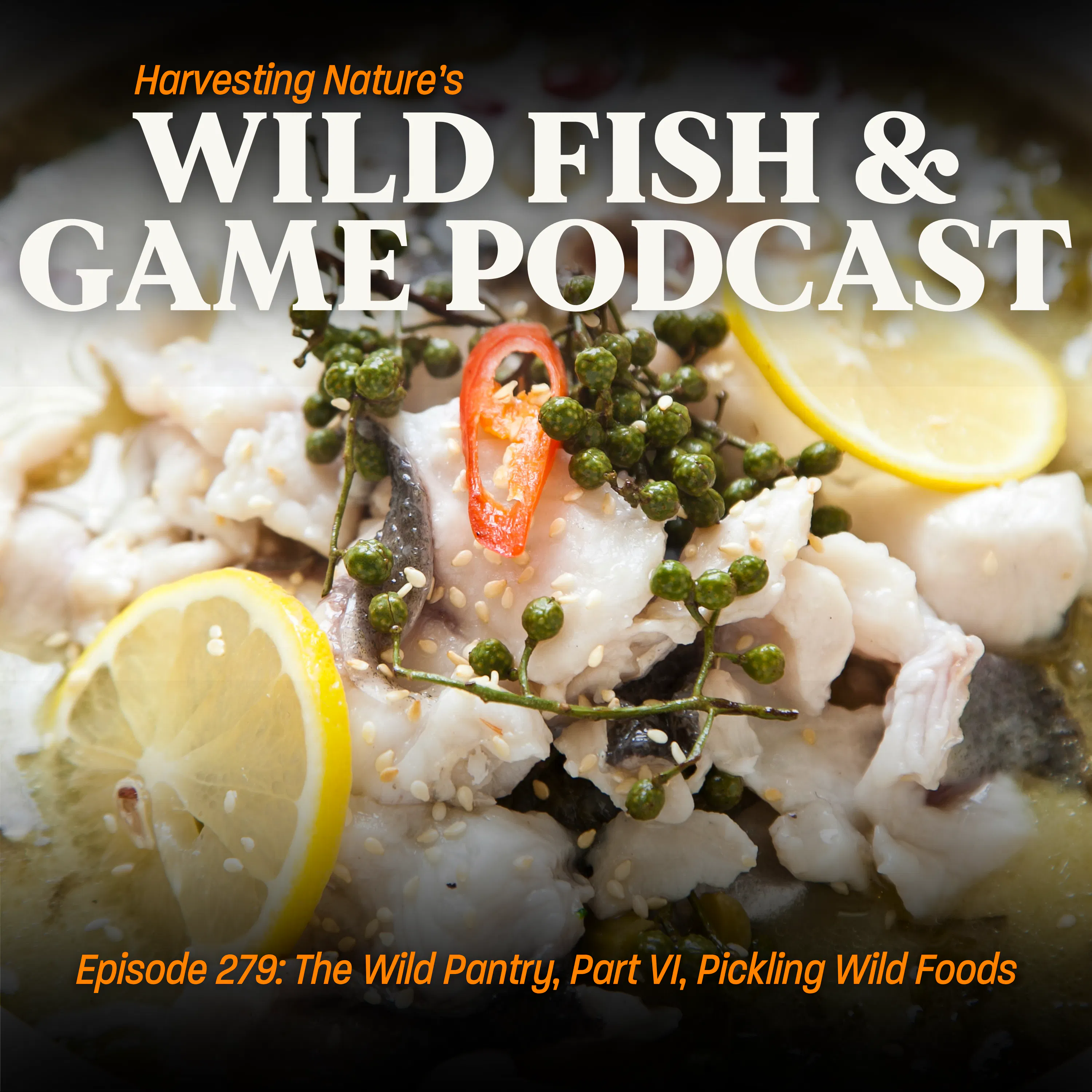
The Wild Fish and Game Podcast explores wild food at the intersection of place, season, culture, and craft. Hosted by Justin Townsend and the Harvesting Nature team, the show goes beyond recipes and hunting stories to examine how food is grown, harvested, preserved, and carried through real life. Each episode dives into the whole wild food system, from hunting, fishing, and foraging to butchery, preservation, and cooking, while asking more profound questions about sustainability, tradition, and how people have continuously fed themselves from the land. Along the way, Justin and his co-hosts are joined by chefs, hunters, foragers, biologists, writers, and cultural knowledge-keepers who help connect ecology to the table. Whether discussing regional foodscapes, seasonal harvests, preservation techniques, or modern wild-food culture, the Wild Fish and Game Podcast is about learning to eat with the land rather than against it. Harv
Pitch Analysis
Required Pod Score for this show. PitchCentric checks your profile against host openness, topical fit, and audience signals before you generate a pitch.
Contact path
Verified email
Booking probability
37%
Guest openness
Selective
Verified email on file
85/100
Required Score
Sign up to generate a grounded pitch for Wild Fish and Game Podcast.
Our AI reads these to draft pitches. Use them as grounding for a pitch that cites a real guest and a specific topic.
Wild Fish and Game Podcast
Episode 284: The Bacon Paradox
Sep 24, 202645 min
In this episode, Justin and Adam explore the history, techniques, and cultural significance of adding fat to wild game, with a focus on bacon. They challenge common assumptions, discuss historical methods like larding and barding, and consider when and why to use fat in wild game cooking. - Leave a Review of the Podcast - Buy our Wild Fish and Game Spices The Art of Venison Sausage Making Mrs. Beeton's Book of Household ManagementThe Art of Cookery Made Plain and Easy Chapters: 00:00 Introduction to the history of bacon in wild game cooking 02:24 Historical techniques: larding and barding explained 05:15 European origins: Robert May and 17th-century methods 13:58 Bacon in 18th-century cookbooks and its variations 20:16 The 19th-century codification of game preparation techniques 26:10 American adaptations and the cultural intertwining of bacon and wild meat 32:18 Does wild game need fat? Analyzing the necessity and alternatives 41:14 Butchery decisions and their impact on cooking wild game 46:16 Conclusion: Bacon as tradition, convenience, and flavor 47:27 Rethinking bacon: making intentional choices in wild game cooking Takeaways: Historical techniques of adding fat to game, including larding and barding The cultural significance of bacon in American and European wild game cuisine The evolution of culinary practices from the 1600s to modern times The role of fat in flavor, moisture, and thermal management of wild game The concept of the bacon paradox and its implications for cooking wild game Alternatives to bacon for adding fat, such as caul fat, suet, and animal's own fat Keywords: wild game, bacon, larding, barding, cooking techniques, culinary history, game meat, fat, dove poppers, wild food Learn more about your ad choices. Visit megaphone.fm/adchoices
Episode 283: The Wild Pantry, Part VII, Fermenting Wild Foods
Sep 15, 202652 min
Justin and Adam explore the fascinating world of fermentation, covering everything from vegetables and wild foods to meat and fish. Discover how controlled microbial activity transforms foods, preserves seasonal abundance, and creates new flavors, with practical tips for home fermentation. - Leave a Review of the Podcast - Buy our Wild Fish and Game Spices The Art of Venison Sausage Making The Art of Fermentation The Art of Making Fermenting Sausages National Center for Home Food Preservation Fermented Habanero Hot Sauce Homemade Sauerkraut How to Make Fermented Pickles Chinese Stir Fried Lambsquarters with Fermented Bean Curd Chapters: 00:00 Introduction to Fermentation and Its Significance 02:09 Difference Between Pickling and Fermentation 03:01 What Exactly Is Fermentation? 04:25 The Role of Salt and Microorganisms 06:10 Types of Fermentation: Bacteria, Yeast, Mold 10:27 Traditional Fermentation Practices Around the World 11:26 Fermenting Wild Plants and Berries 16:12 Getting Started with Vegetable Fermentation 17:27 Fermentation of Wild Mushrooms and Safety Tips 21:56 Fermentation of Wild Fish and Seafood 33:39 Aging Meat and Its Relationship to Fermentation 44:36 Historical Practices of Hanging and Aging Game Birds 50:42 Fermentation of Mushrooms and Cultural Traditions 54:45 Practical Tips for Home Fermentation and Safety Takeaways: What is fermentation and how it works The role of salt and microbes in fermentation Fermenting wild plants, berries, and mushrooms Fermentation of wild game and meat products Safety considerations in fermenting meat and fish Historical and cultural practices of fermentation Practical tips for home fermentation projects Keywords: Fermentation, wild foods, preservation, wild game, wild mushrooms, wild berries, sausage, meat aging, traditional fermentation, food preservation Learn more about your ad choices. Visit megaphone.fm/adchoices
Summary: Justin and Adam discuss their new book 'Cooking by Cut', exploring the philosophy of butchery, cooking techniques, and global influences on wild game preparation. They share insights on organizing the book, unlearning traditional hunter preferences, and future plans for outreach and education. - Leave a Review of the Podcast - Buy our Wild Fish and Game Spices The Art of Venison Sausage Making Cooking by Cut Podcast Series Shop our Store Takeaways: The inspiration behind 'Cooking by Cut' and its organization How understanding animal anatomy improves cooking techniques The importance of unlearning traditional hunter preferences for cuts like backstrap Global culinary influences incorporated into wild game recipes The process of writing, photographing, and publishing the book Future plans for book promotion, outreach, and in-person events The role of butchery skills in enhancing wild game preparation How the book aims to preserve and innovate the art of wild game butchery Keywords: Wild game, butchery, cooking techniques, hunting, food culture, recipes, meat cuts, culinary education, global cuisine, book launch Learn more about your ad choices. Visit megaphone.fm/adchoices
Episode 280: Advanced Offal and Wild Game Butchery with Anna Borgman
Aug 4, 202658 minS8
Summary: Justin and Anna Borgman explore the fascinating world of organ meats, butchery, and processing wild and domestic animals. They share practical tips, cultural insights, and personal stories to inspire a deeper appreciation for the whole animal. - Leave a Review of the Podcast - Buy our Wild Fish and Game Spices The Art of Venison Sausage Making Chaos Farms Chaos Farms Instagram Anna Borgman Instagram Recipes: Curried Steak and Kidney Pie Smoked Rocky Mountain Oysters Dried Venison Soup with Timpsila (Bapa Wohanpi) Chapters: 00:00 Introduction and Overview of the Episode 01:04 Anna Borgman's Background in Butchery and Cooking 03:13 Upcoming Whitetail Deer Camp and Butchery Workshops 04:07 Anna's Journey into Culinary School and Butchery 06:04 Transition from Shop Work to Field Slaughter 07:31 Motivations for Moving into Field Harvesting 08:55 Challenges Facing Small Meat Shops and Regulations 11:25 Demand for In-Field and At-Home Butchery 13:00 Wild Game Seasons and Processing in Montana 14:38 Philosophy of Offal and Organ Meat Consumption 15:37 Kids and Organ Meat Acceptance 19:06 Processing and Cooking Organ Meats: Tips and Techniques 22:36 The Use and Identification of Organs in Field Dressing 27:01 Cleaning and Preparing Intestines for Sausage Casings 32:32 Using Caul Fat and Fat in Cooking 35:58 Keeping Things Clean During Butchery and Processing 42:13 The Culinary Appeal of Cheeks and Trotters 48:16 Experiences with Tripe and Offal Dishes 55:14 Exploring Feet, Tails, and Other Offal Parts 01:00:00 Sharing the Joy of Organ Meats with Family 01:02:56 Closing Remarks and Future Events Takeaways: The importance of using the whole animal in butchery Practical tips for processing wild game and domestic animals Cultural and culinary significance of organ meats and offal Techniques for cleaning and preparing organs like liver, heart, and tripe The role of fat, caul fat, and tails in cooking and flavoring Encouraging the next generation to try organ meats and offal Keywords: Butchery, organ meats, wild game, processing, cooking, fat, tripe, sweetbreads, offal, hunting Learn more about your ad choices. Visit megaphone.fm/adchoices
Episode 279: The Wild Pantry, Part VI, Pickling Wild Foods
Jul 7, 202650 minS8
Summary: Justin and Adam explore the rich history, science, and techniques of pickling, emphasizing safety, creativity, and cultural diversity. Discover how vinegar preserves, enhances flavors, and offers endless culinary possibilities, especially for wild foods. - Leave a Review of the Podcast - Buy our Wild Fish and Game Spices The Art of Venison Sausage Making Links: Spruce Tip Pickled Pike From Salted Mushrooms to Biltong: 10 Fascinating Wild Food Traditions from Around the World How to Make Bull Kelp Pickles Chapters: 00:00 The Art of Preservation: Introduction to Pickling 04:15 Historical Roots of Pickling 10:01 Understanding the Science of Pickling 12:33 Safety First: Ensuring Safe Pickling Practices 18:57 Crafting the Perfect Pickle Brine 27:22 Exploring Wild Ingredients for Pickling 31:06 The Art of Pickling Mushrooms 35:35 Pickling Fish: A Culinary Tradition 38:34 Innovative Pickling of Meats and Eggs 43:42 Creative Uses for Pickled Ingredients 49:34 The Significance of Pickling in Preservation Takeaways: History of pickling from Mesopotamia to modern times Different preservation methods: curing, freezing, drying, smoking, acid How vinegar preserves and enhances flavor Safety protocols for home pickling and canning Cultural diversity in pickling traditions worldwide Techniques for building and customizing brines Pickling wild mushrooms, fish, and game The difference between pickling and fermentation Creative uses for pickled ingredients in cooking and cocktails Preserving seasonal bounty for year-round enjoyment Keywords: pickling, food preservation, vinegar, wild foods, fermentation, safety, culinary techniques, wild mushrooms, foraging, traditional methods Learn more about your ad choices. Visit megaphone.fm/adchoices
Every question we get asked before someone starts their trial.
If you have a concern about deliverability, AI quality, data privacy, or whether this will actually work for your specific situation, it's probably answered below.
What is the difference between Founder Solo and Founder Pro?
Founder Solo gives you 50 AI pitches per month using the credit model (Standard pitches cost 1 credit, Enriched pitches cost 2). Founder Pro raises that to 200 credits per month and adds full Booking Probability access, unlimited Magic Match, Apollo enrichment credits, and data export capabilities. Both plans use the same credit system, so you can stretch your monthly budget further by using Standard-mode drafting.
How do agency tiers work?
Agency tiers have no base fee. You pay per managed client and per talent profile. Agency Standard is $199 per client per month; Agency Pro is $399 per client per month. Both add $39 per talent profile per month. Your own team's user seats are always free.
What is a talent profile?
A talent profile represents one person (founder, executive, or spokesperson) you are booking onto podcasts. It includes their bio, topics, headshots, and outreach history. Team plans include 5 profiles; agency plans are pay-as-you-go.
Can I switch plans later?
Yes, at any time. Upgrades take effect immediately; downgrades apply at the end of the current billing period. Contact support if you need help migrating between plan families.
Do you offer a free trial?
Every paid plan includes a 15-day free trial. Your card is saved at signup but you will not be charged until day 16. Cancel any time from your dashboard.
What happens if I cancel?
You keep access until the end of your current billing period. No charges after that. Your data is retained for 30 days in case you reactivate.
Is the 20% annual discount automatic?
Yes. Select Annual on the pricing toggle and the discounted price is applied automatically at checkout. The annual price shown is the full year cost.
What if I have more than 50 profiles or 20 clients?
That is our Enterprise tier. Contact our sales team and we will build a custom plan with volume pricing, a dedicated account manager, and SLA guarantees.