Episode #17
72x Faster Software Delivery with a Former AI Skeptic
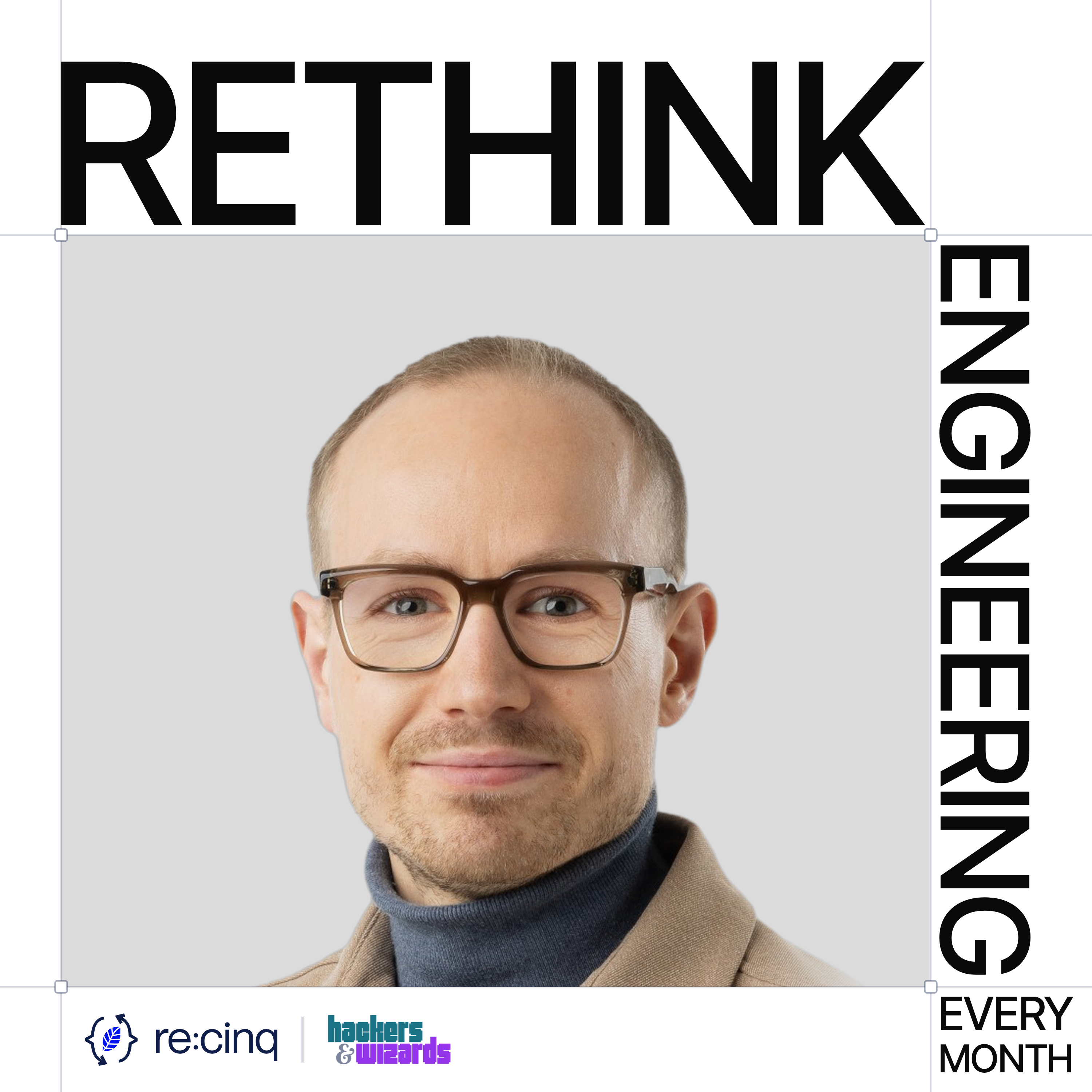
The episode begins with a candid look at Dominic Warchalowski and his evolution from a staunch AI skeptic to a lead engineer driving a massive velocity increase at Odevo. Dominic recounts his early and frustrating experiences with isolated AI prompts, which frequently yielded hallucinations and eroded his trust. A significant pivot occurs when he is introduced to Claude Opus within a modern IDE environment, triggering an aha moment that fundamentally shifted his perspective on the capability of AI to handle complex engineering tasks. The Technical Core The heart of the episode explores the friction between legacy development methodologies and modern agentic speed. The duo laments the loss of traditional Kanban workflows, noting that when AI agents generate code at unprecedented speeds, conventional small batch pull requests quickly become massive bottlenecks. Dominic explains that you cannot simply fit AI into an existing process; the process must be redesigned around the AI. He details the ambitious project at Odevo to rebuild a five year old legacy system in just eleven months. This involves a rigorous and almost waterfall like upfront discovery phase where domain logic is extracted, meetings are transcribed, and AI structures the output into strict epics and stories. Dominic also dives into the repository architecture, explaining their use of a hub repo with submodules to perfectly scope context for agents, ensuring low entropy outputs regardless of whether an engineer uses SpecKit, a Ralph Wiggum loop, or raw terminal commands. Philosophical/Human Implications A fascinating philosophical discussion emerges around the nature of software complexity and human communication. Deejay and Dominic reflect on how rigid and upfront specification is now a superpower in the agentic era. Because the transaction cost of writing code has plummeted, the premium is now placed on clear communication, structured domain modeling, and human in the loop oversight to manage irreducible complexity. Future Outlook The conversation concludes with a look at the diversity of tooling. Rather than forcing a single automated factory pipeline, the approach at Odevo standardizes the inputs while allowing engineers the freedom to choose their preferred agentic tools. This flexibility, grounded in strict architectural rules, points to a future where developers act more like orchestrators and reviewers of highly capable autonomous systems. Key Themes Explored The Breaking Point of Agile Traditional small batch workflows and Kanban boards create severe pull request bottlenecks when paired with agentic coding speeds. Engineering teams must redesign their entire software development lifecycle around AI velocity rather than forcing AI into legacy processes. Upfront Discovery as an AI Superpower While heavy upfront specification resembles outdated waterfall methodologies, it is essential for agentic coding. By investing time in structured domain modeling and precise acceptance criteria, teams can drastically reduce AI entropy and hallucination. Architecting Codebases for Agents Modern repositories must be designed from the ground up to support AI context management. Utilizing hub repositories, submodules, and strict architectural golden rules ensures that agents have the exact context needed to generate accurate and low entropy code.