Transmission is the podcast for energy professionals navigating the global shift to a low-carbon power system. Hosted by Ed Porter, Transmission goes deep on battery storage markets, power market dynamics, and the commercial forces shaping the energy transition - with the people at the centre of it.Every week, we sit down with the CEOs, heads of trading desks, government advisors, policy architects, and leading practitioners driving change across the industry.These are practitioner conversations - focused on how markets actually work, where the real opportunities and risks lie, and what the data is telling us.We cover clean energy investing, capacity markets, balancing mechanism participation, and the evolving regulatory environment that shapes returns across geographies. Our coverage spans Great Britain, Germany, Spain, and the broader European energy transition, with regular episodes dedicated to the specific dynamics of each market.Transmission tracks the inflection points that
Pitch Analysis
Required Pod Score for this show. PitchCentric checks your profile against host openness, topical fit, and audience signals before you generate a pitch.
Contact path
Verified email
Booking probability
38%
Guest openness
Selective
Verified email on file
80/100
Required Score
Sign up to generate a grounded pitch for Transmission.
Transmission is a business podcast hosted by Ed Porter, Modo Energy, with 448 episodes on record and a Required Pod Score of 80. PitchCentric scores this show on Booking Probability, Listen Score, and live audience signals refreshed every 24 hours.
About the host
Ed Porter, Modo Energy hosts Transmission, a business show with 448 episodes published.
Our AI reads these to draft pitches. Use them as grounding for a pitch that cites a real guest and a specific topic.
Episode #1
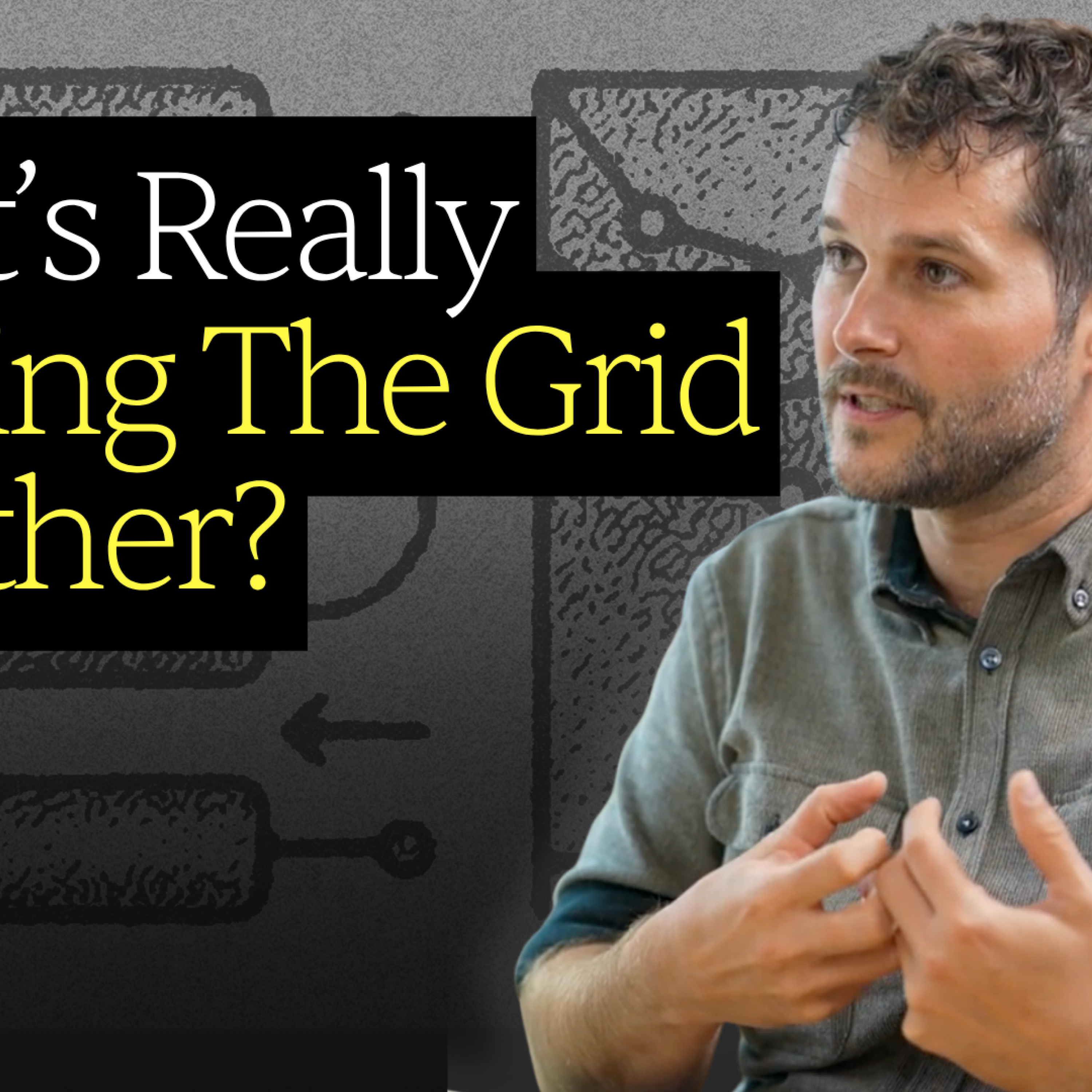
What's Really Holding The Grid Together - Fluence
Sep 15, 20261h 3m
The grid is swapping spinning turbines for grid forming inverters, and something is getting lost in the trade. A turbine could always throw 5 times its normal output to clear a fault, for free, using nothing but physics. Inverters can only manage around 1.5 times theirs. So if renewables are going to take over, where does that missing strength come from instead? Ben Braun is Chief Engineer at Fluence, where he's spent his career working on power electronics - from batteries to the grid. In this episode, he breaks down grid forming vs grid following inverters for everyone without an electrical engineering degree. They cover: - Why "grid forming is slower" than grid following - and why that slower response is actually what makes it more stable in a fault. - Why NESO in GB and AEMO in Australia are chasing completely different things from grid forming batteries. - Why grid inertia disappears as spinning turbines retire, and how a sudden burst of power from a battery can fake it. - Why volatile AI training loads are turning data centres into miniature grids of their own, and how batteries are used to stop that volatility ever reaching the wider network. - Why Ben's biggest concern isn't too little fault current on the grid, but too much of it - and why that could force a wave of grid upgrades most people haven't priced in Want to see which grids are paying for inertia and fault current today, or where the next stability tenders are opening? Ko, Modo Energy's AI analyst, is built for exactly these questions. Free sign up: https://modoenergy.com/product/ko?utm_source=podcast&utm_medium=youtube&utm_campaign=ben_braun&utm_content=ko_signup Related article: [companion article link] ――――――――――――――― ⏱ CHAPTERS ――――――――――――――― 00:00 – Why the Grid Needs More Than Power Flow 01:31 – Grid Forming Inverters: Common Misconceptions 04:51 – Grid Forming vs Grid Following Speed Explained 07:16 – Bathtub Analogy for Grid Forming Batteries 11:44 – NESO Stability Pathfinder and Global Grid Forming Numbers 14:11 – AEMO's System Strength Charge Explained 16:28 – Inertia and Short Circuit Level for Beginners 17:10 – Grid Inertia Explained With Lorries and Cyclists 21:44 – How Batteries Replicate Grid Inertia 23:03 – Fault Current Basics: Fuses and Circuit Breakers 26:16 – Fault Current Math and Retiring Turbines 28:52 – Voltage Stiffness and System Strength 39:07 – Reactive Power Explained With a Circus Tent 42:23 – Black Start and Grid Restoration Explained 46:57 – Grid Forming Inverters for Data Centres 53:30 – Contrarian View: Too Much Fault Current 61:18 – Grid Upgrades for High Fault Current Levels You can watch or listen to new episodes every Tuesday. Transmission is a Modo Energy production. Your host is Ed Porter - Director EMEA & APAC at Modo Energy. Music licensed via Artlist. Subscribe for more energy market analysis: / @modoenergy Follow Modo Energy: → LinkedIn: linkedin.com/company/modo-energy → Twitter/X: x.com/modoenergy
The grid is swapping spinning turbines for grid forming inverters, and something is getting lost in the trade. A turbine could always throw 5 times its normal output to clear a fault, for free, using nothing but physics. Inverters can only manage around 1.5 times theirs. So if renewables are going to take over, where does that missing strength come from instead? Ben Braun is Chief Engineer at Fluence, where he's spent his career working on power electronics - from batteries to the grid. In this episode, he breaks down grid forming vs grid following inverters for everyone without an electrical engineering degree. They cover: - Why "grid forming is slower" than grid following - and why that slower response is actually what makes it more stable in a fault. - Why NESO in GB and AEMO in Australia are chasing completely different things from grid forming batteries. - Why grid inertia disappears as spinning turbines retire, and how a sudden burst of power from a battery can fake it. - Why volatile AI training loads are turning data centres into miniature grids of their own, and how batteries are used to stop that volatility ever reaching the wider network. - Why Ben's biggest concern isn't too little fault current on the grid, but too much of it - and why that could force a wave of grid upgrades most people haven't priced in Want to see which grids are paying for inertia and fault current today, or where the next stability tenders are opening? Ko, Modo Energy's AI analyst, is built for exactly these questions. Free sign up: https://modoenergy.com/product/ko?utm_source=podcast&utm_medium=youtube&utm_campaign=ben_braun&utm_content=ko_signup Related article: [companion article link] ――――――――――――――― ⏱ CHAPTERS ――――――――――――――― 00:00 – Why the Grid Needs More Than Power Flow 01:31 – Grid Forming Inverters: Common Misconceptions 04:51 – Grid Forming vs Grid Following Speed Explained 07:16 – Bathtub Analogy for Grid Forming Batteries 11:44 – NESO Stability Pathfinder and Global Grid Forming Numbers 14:11 – AEMO's System Strength Charge Explained 16:28 – Inertia and Short Circuit Level for Beginners 17:10 – Grid Inertia Explained With Lorries and Cyclists 21:44 – How Batteries Replicate Grid Inertia 23:03 – Fault Current Basics: Fuses and Circuit Breakers 26:16 – Fault Current Math and Retiring Turbines 28:52 – Voltage Stiffness and System Strength 39:07 – Reactive Power Explained With a Circus Tent 42:23 – Black Start and Grid Restoration Explained 46:57 – Grid Forming Inverters for Data Centres 53:30 – Contrarian View: Too Much Fault Current 61:18 – Grid Upgrades for High Fault Current Levels You can watch or listen to new episodes every Tuesday. Transmission is a Modo Energy production. Your host is Ed Porter - Director EMEA & APAC at Modo Energy. Music licensed via Artlist. Subscribe for more energy market analysis: / @modoenergy Follow Modo Energy: → LinkedIn: linkedin.com/company/modo-energy → Twitter/X: x.com/modoenergy
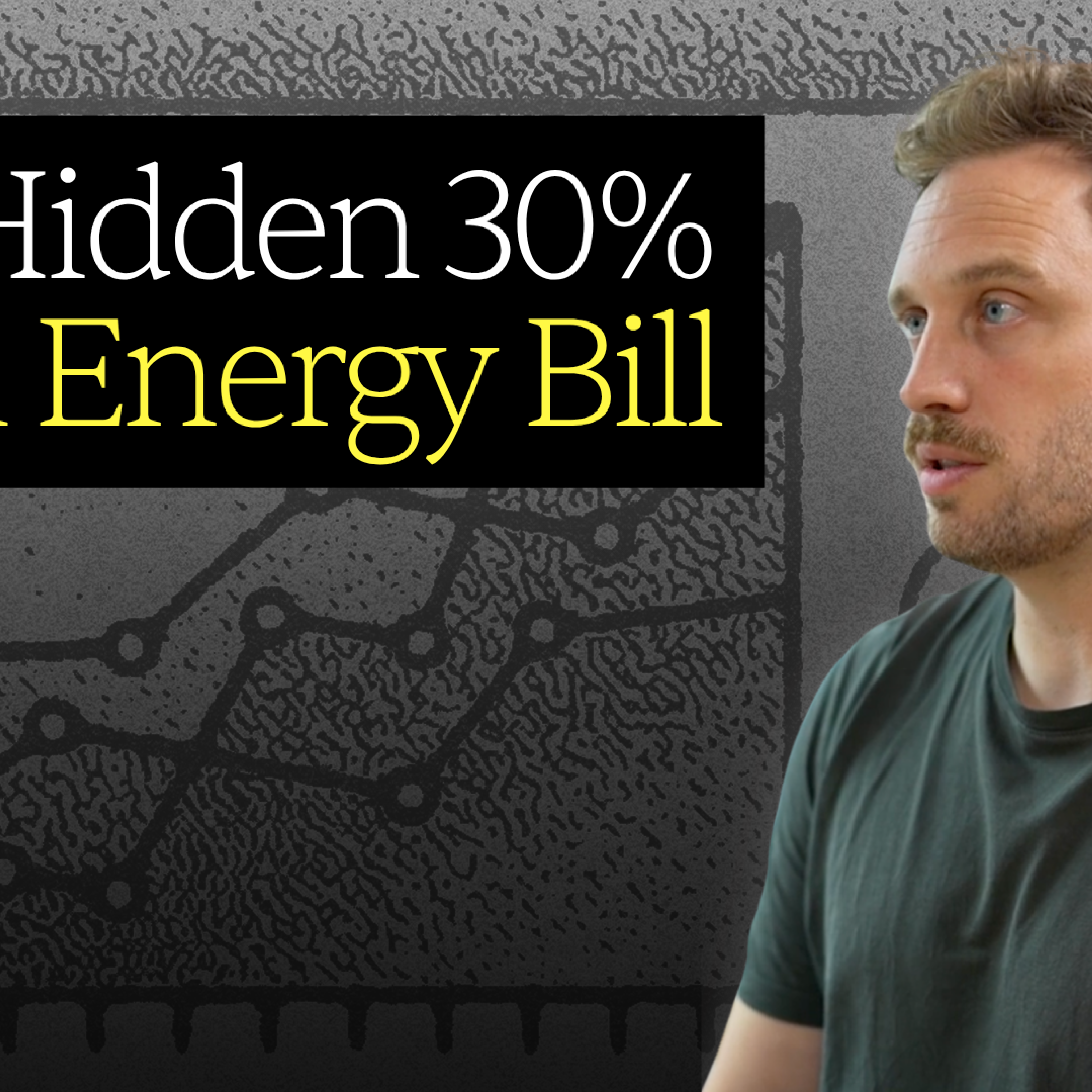
How AI Could Cut Energy Trading Costs - Tem Energy
Sep 8, 202643 min
Joe McDonald says close to 30% of a business power bill can go to trading desks, balancing costs and wholesale market fees most customers never see. Behind suppliers can sit five or six more intermediaries, each taking a cut before the energy ever arrives. Is that a market working as designed, or one taking more than it should? Joe is Founder & CEO of Tem Energy, and has spent over a decade inside the middle of the energy market, watching where the money actually goes on its way to the meter. He's now building the AI infrastructure to strip those middlemen out of the chain, with Tem already transacting over £1 billion a year across thousands of UK businesses, backed by a fresh Series B to fund expansion into Texas and Australia. They cover: Why up to 30% of a business energy bill can go to trading desks, balancing costs and wholesale fees layered behind the supplier. How forward market contracts fix energy prices for months or years and why "shape matching" between generators and buyers creates a shadow market worth billions. The P442 grid charging exemption, and why a change this small took two years to push through. Why Joe believes Tem's AI agents could remove around 90% of labor costs in energy transactions, and why he sees that trade-off as necessary. Tem Energy's plan after its Series B - expanding into Texas and Australia before Europe and the case for energy AI becoming the UK's next trillion-dollar industry. Want to dig deeper into where that 30% actually goes, or how forward contracts are priced? Ask Ko, Modo Energy's AI analyst, for free sign up also gets you trial access to Modo Energy's research. You can watch or listen to new episodes every Tuesday. Transmission is a Modo Energy production. Your host is Ed Porter - Director EMEA & APAC at Modo Energy. Chapters: 0:00 Introduction 1:24 The Real Cost Layers Behind A Business Energy Bill 3:17 The Mechanics Of Forward Energy Contracts 5:25 Shape Matching Explained 6:35 The Shadow Market Behind The Grid 11:12 Pricing And Settling Energy Trades With AI 26:46 The P442 Grid Charging Exemption 36:29 The Slow Pace Of Energy Market Regulation 37:37 The Same Problem Across Global Energy Markets 38:36 Cutting Utility Operating Costs With AI 39:22 Comparing This Model To Octopus And Kraken 40:40 Joe McDonald's Contrarian View On Energy Markets 41:34 Cutting 90% Of Energy Labor Costs With AI
How AI Could Cut Energy Trading Costs - Tem Energy
Sep 8, 202643 min
Joe McDonald says close to 30% of a business power bill can go to trading desks, balancing costs and wholesale market fees most customers never see. Behind suppliers can sit five or six more intermediaries, each taking a cut before the energy ever arrives. Is that a market working as designed, or one taking more than it should? Joe is Founder & CEO of Tem Energy, and has spent over a decade inside the middle of the energy market, watching where the money actually goes on its way to the meter. He's now building the AI infrastructure to strip those middlemen out of the chain, with Tem already transacting over £1 billion a year across thousands of UK businesses, backed by a fresh Series B to fund expansion into Texas and Australia. They cover: Why up to 30% of a business energy bill can go to trading desks, balancing costs and wholesale fees layered behind the supplier. How forward market contracts fix energy prices for months or years and why "shape matching" between generators and buyers creates a shadow market worth billions. The P442 grid charging exemption, and why a change this small took two years to push through. Why Joe believes Tem's AI agents could remove around 90% of labor costs in energy transactions, and why he sees that trade-off as necessary. Tem Energy's plan after its Series B - expanding into Texas and Australia before Europe and the case for energy AI becoming the UK's next trillion-dollar industry. Want to dig deeper into where that 30% actually goes, or how forward contracts are priced? Ask Ko, Modo Energy's AI analyst, for free sign up also gets you trial access to Modo Energy's research. You can watch or listen to new episodes every Tuesday. Transmission is a Modo Energy production. Your host is Ed Porter - Director EMEA & APAC at Modo Energy. Chapters: 0:00 Introduction 1:24 The Real Cost Layers Behind A Business Energy Bill 3:17 The Mechanics Of Forward Energy Contracts 5:25 Shape Matching Explained 6:35 The Shadow Market Behind The Grid 11:12 Pricing And Settling Energy Trades With AI 26:46 The P442 Grid Charging Exemption 36:29 The Slow Pace Of Energy Market Regulation 37:37 The Same Problem Across Global Energy Markets 38:36 Cutting Utility Operating Costs With AI 39:22 Comparing This Model To Octopus And Kraken 40:40 Joe McDonald's Contrarian View On Energy Markets 41:34 Cutting 90% Of Energy Labor Costs With AI
What Happens When Every Battery Market Gets Crowded? - Centrica Energy
Sep 1, 202643 min
Battery storage went from an unproven bet to one of Europe's fastest-growing energy assets in a but the exceptional returns early investors saw have already faded as more batteries crowd the market. The real question today isn't whether a battery can make money, it's whether an optimiser can keep making money from it, market after market, year after year. In this conversation, Brecht Dierckx, Director of Physical Asset Trading & Optimisation at Centrica, joins Ed to unpack what actually separates a good battery optimiser from an average one, and why pricing, contracts and risk are becoming as important as trading itself. They cover: - Why the exceptional early returns 2017–2018 battery investors saw are gone for good, and what actually lets some optimisers keep repeating strong performance while others can't - How battery revenue has shifted over time — from grid-support services, to adjusting trades as markets move, to buying and selling across multiple markets at once — and why each edge shrinks as more batteries chase it - Why pricing a battery deal is nothing like pricing a financial instrument, and how modelling different future scenarios (rather than simple averages) reveals the real value of holding a diversified portfolio - What project developers are actually asking optimisers for now — performance guarantees, profit shares, protection from regulatory changes — and why some of those guarantees aren't realistically workable - Which European markets look most promising for battery growth next, and how emerging grid restrictions could shape how much value new assets are able to capture Want to know how flexible connection agreements or grid restrictions are changing your battery's revenue forecast? Ask Ko, Modo Energy's AI analyst Chapters: 0:00 – Battery Storage Returns Are Saturating 1:04 – Battery Optimisation Operational Excellence 2:22 – Repeatable Battery Storage Returns 5:43 – Ancillary Services Revenue Saturation 8:14 – Battery Optimiser Performance Benchmarks 10:08 – Small Vs Large Battery Trading Teams 14:25 – AI In Energy Trading 16:29 – Autonomous AI Battery Trading Risks 18:40 – Extreme Weather Impact On Energy Trading 21:49 – Best European Battery Storage Markets 24:13 – Battery Storage Toll Pricing 28:59 – Battery Portfolio Diversification Strategy 31:36 – Flexible Connection Agreements Explained 35:51 – Battery Storage Investment Guarantees 38:30 – Battery Storage And Grid Transmission
Every question we get asked before someone starts their trial.
If you have a concern about deliverability, AI quality, data privacy, or whether this will actually work for your specific situation, it's probably answered below.
What is the difference between Founder Solo and Founder Pro?
Founder Solo gives you 50 AI pitches per month using the credit model (Standard pitches cost 1 credit, Enriched pitches cost 2). Founder Pro raises that to 200 credits per month and adds full Booking Probability access, unlimited Magic Match, Apollo enrichment credits, and data export capabilities. Both plans use the same credit system, so you can stretch your monthly budget further by using Standard-mode drafting.
How do agency tiers work?
Agency tiers have no base fee. You pay per managed client and per talent profile. Agency Standard is $199 per client per month; Agency Pro is $399 per client per month. Both add $39 per talent profile per month. Your own team's user seats are always free.
What is a talent profile?
A talent profile represents one person (founder, executive, or spokesperson) you are booking onto podcasts. It includes their bio, topics, headshots, and outreach history. Team plans include 5 profiles; agency plans are pay-as-you-go.
Can I switch plans later?
Yes, at any time. Upgrades take effect immediately; downgrades apply at the end of the current billing period. Contact support if you need help migrating between plan families.
Do you offer a free trial?
Every paid plan includes a 15-day free trial. Your card is saved at signup but you will not be charged until day 16. Cancel any time from your dashboard.
What happens if I cancel?
You keep access until the end of your current billing period. No charges after that. Your data is retained for 30 days in case you reactivate.
Is the 20% annual discount automatic?
Yes. Select Annual on the pricing toggle and the discounted price is applied automatically at checkout. The annual price shown is the full year cost.
What if I have more than 50 profiles or 20 clients?
That is our Enterprise tier. Contact our sales team and we will build a custom plan with volume pricing, a dedicated account manager, and SLA guarantees.