Episode #40
The Scots, the Scotch-Irish, and the Declaration of Independence
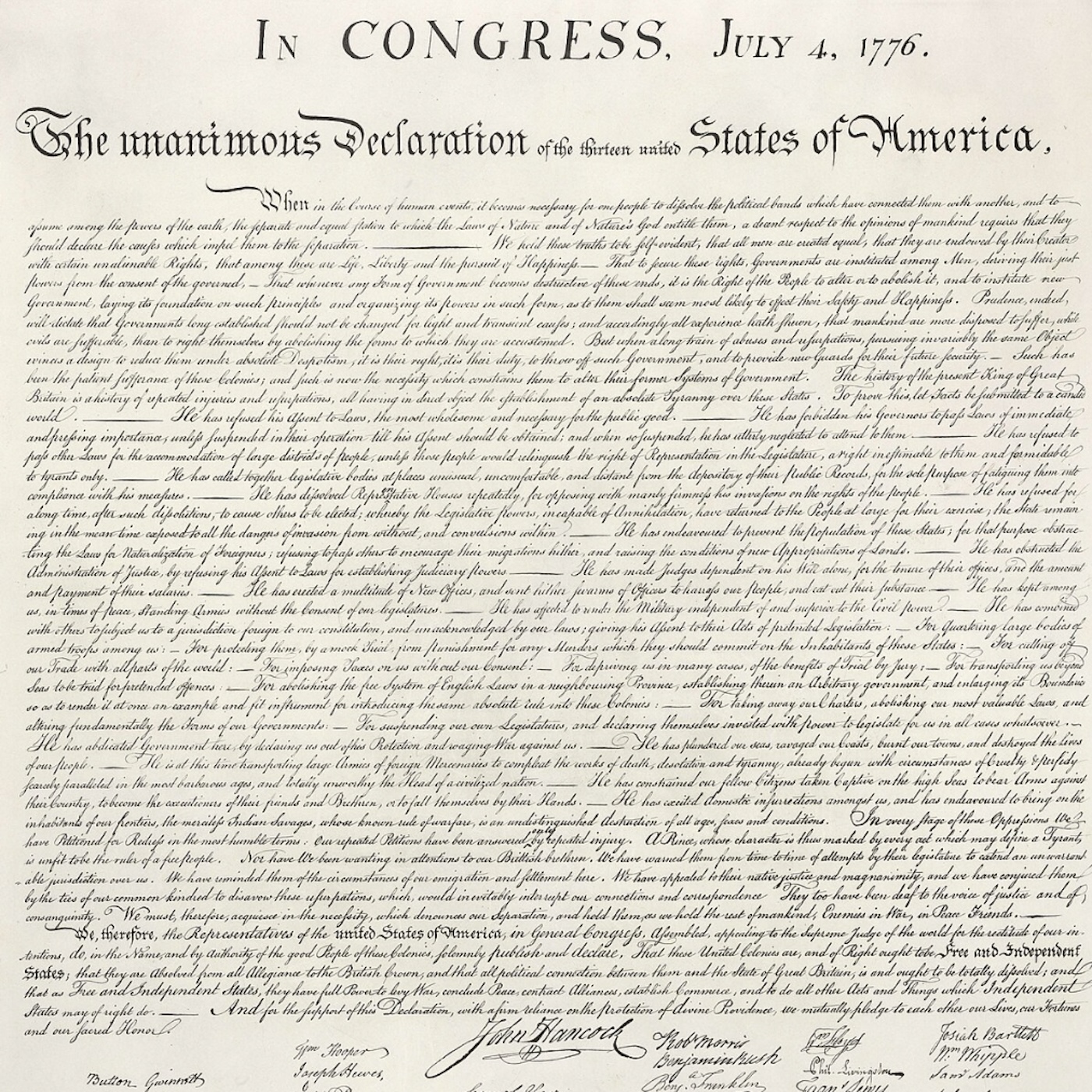
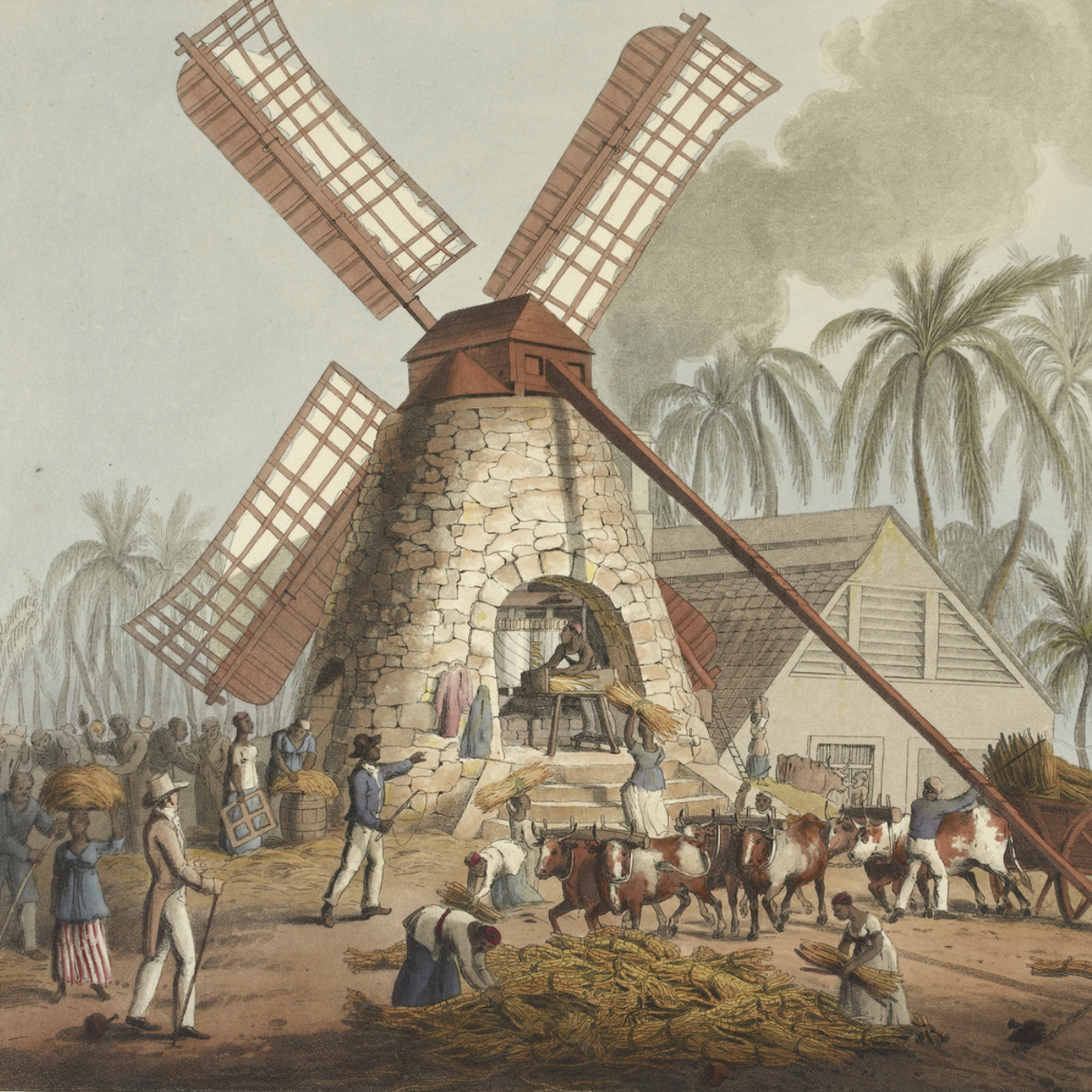
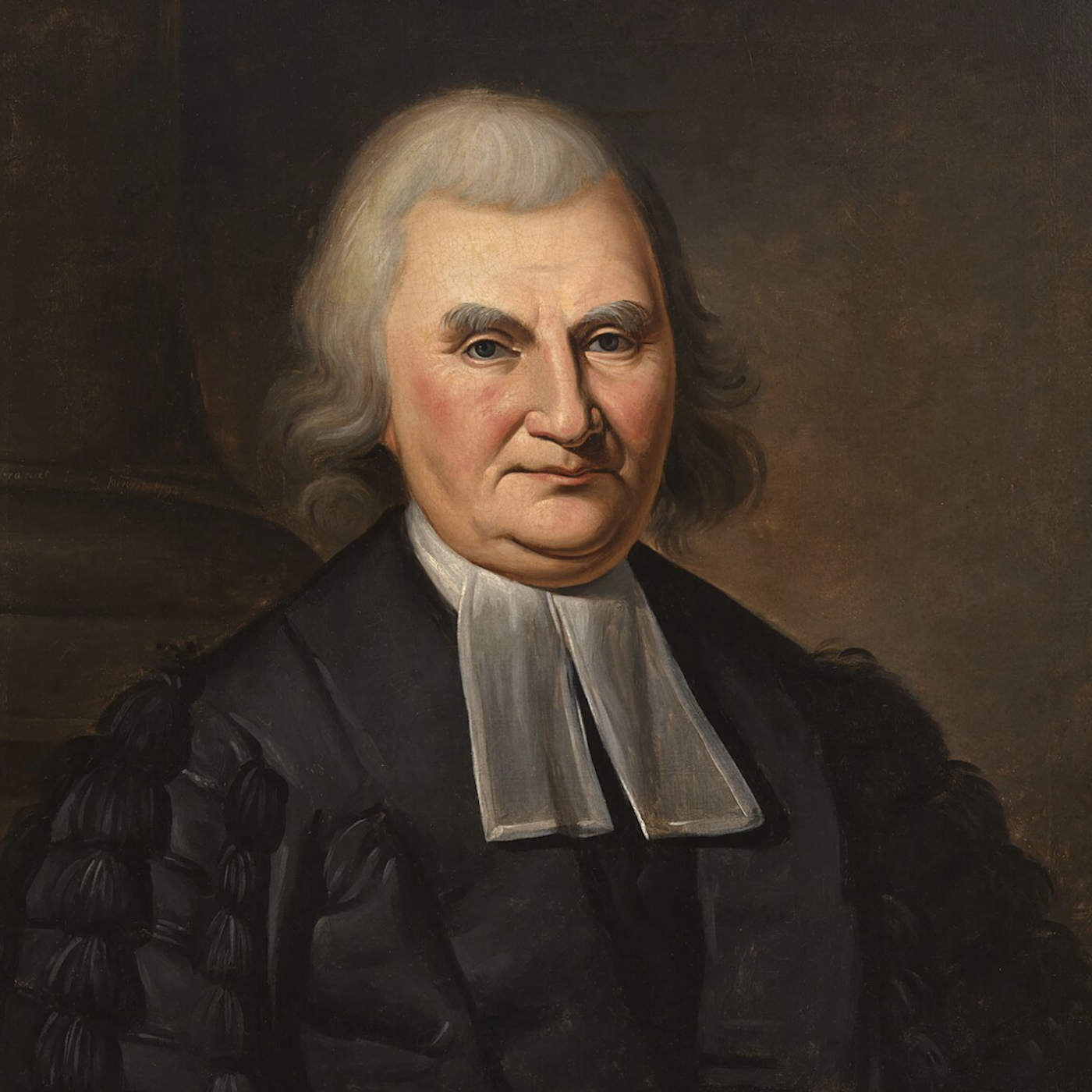
"At this very time, they are permitting their chief magistrate to send over not only soldiers of our common blood, but SCOTCH and foreign Mercenaries to invade and deluge us in blood." -From Jefferson's first draft of the Declaration of Independence In this episode, we survey the history and importance of Scotland and Scottish people in Revolutionary America. Topics include: -anti-Scottish sentiment in the Colonies, particularly among Southern planters, like Jefferson, who were indebted to Scottish tobacco traders -the origins of the "Pursuit of Happiness" in the Scottish Enlightenment -explanations of Scots and the Scotch-Irish -push and pull factors driving Scots and the Scotch-Irish to the Colonies -the Jacobite Uprising in 1745 in Scotland and its consequences for Scotland and the 13 Colonies -the revolutionary continuity among the various British upheavals of the 1600s and 1700s along with the American Revolution -the Scottish tobacco trade -the reception of the Declaration in Scotland -wider implications of the Declaration on Scottish politics -The connection or lack of connection between the Scottish Declaration of Arbroath in 1320 and the US Declaration Prof. Francis Cogliano's books can be found here: [Revolutionary America, 1763.1815: A Political History](https://www.routledge.com/Revolutionary-America-1763-1815-A-Political-History/Cogliano/p/book/9781032150321) [The American Revolution at 250](https://www.upress.virginia.edu/title/10183/) The cover image features one of the Scottish Founders, John Witherspoon. Witherspoon was born in East Lothian, Scotland, in 1723. In 1768, he emigrated to New Jersey to become the President of the College of New Jersey (now Princeton). A staunch republican and Presbyterian, he believed that resisting tyranny was the duty of Christians. He signed the Declaration of Independence on behalf of the citizens of New Jersey in 1776.