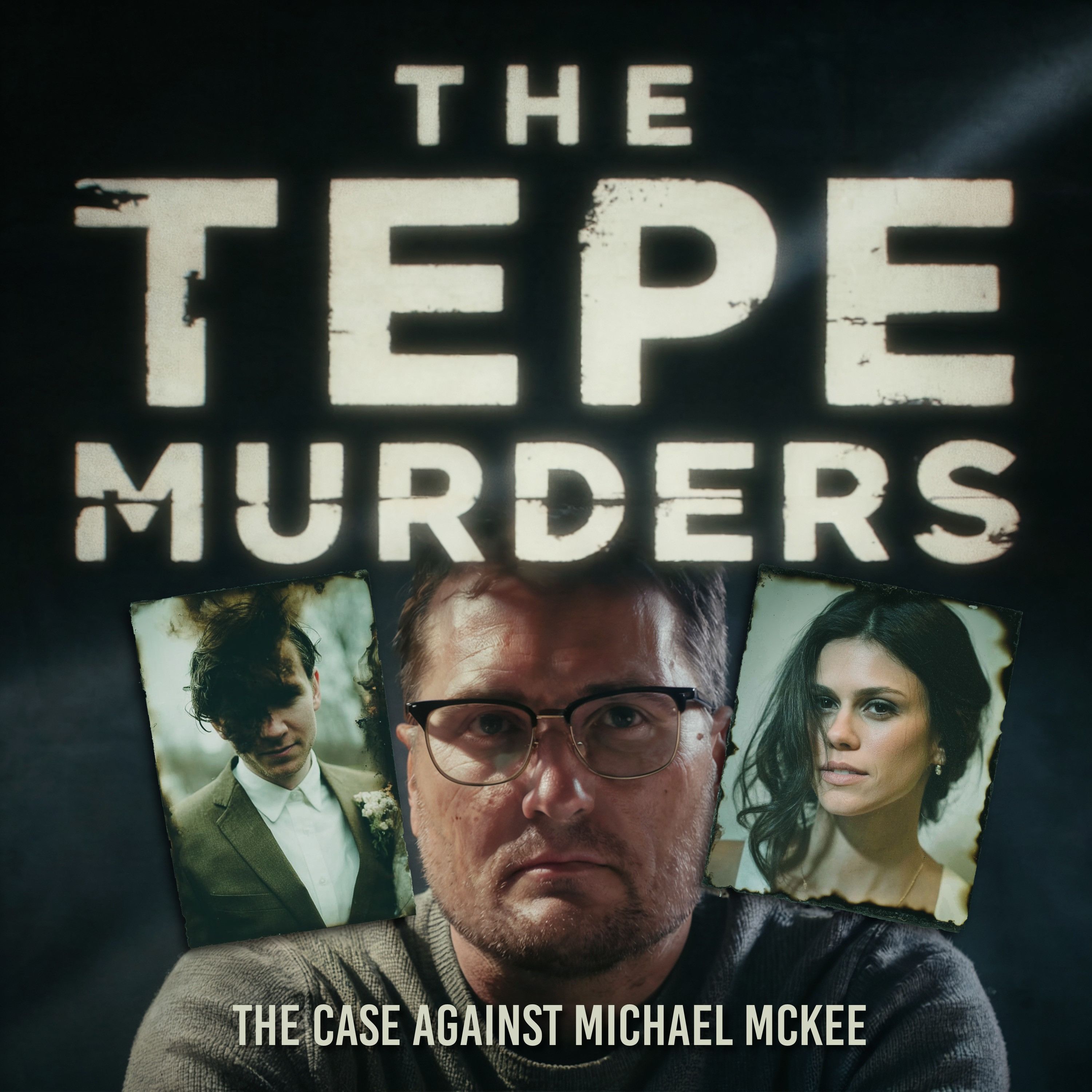
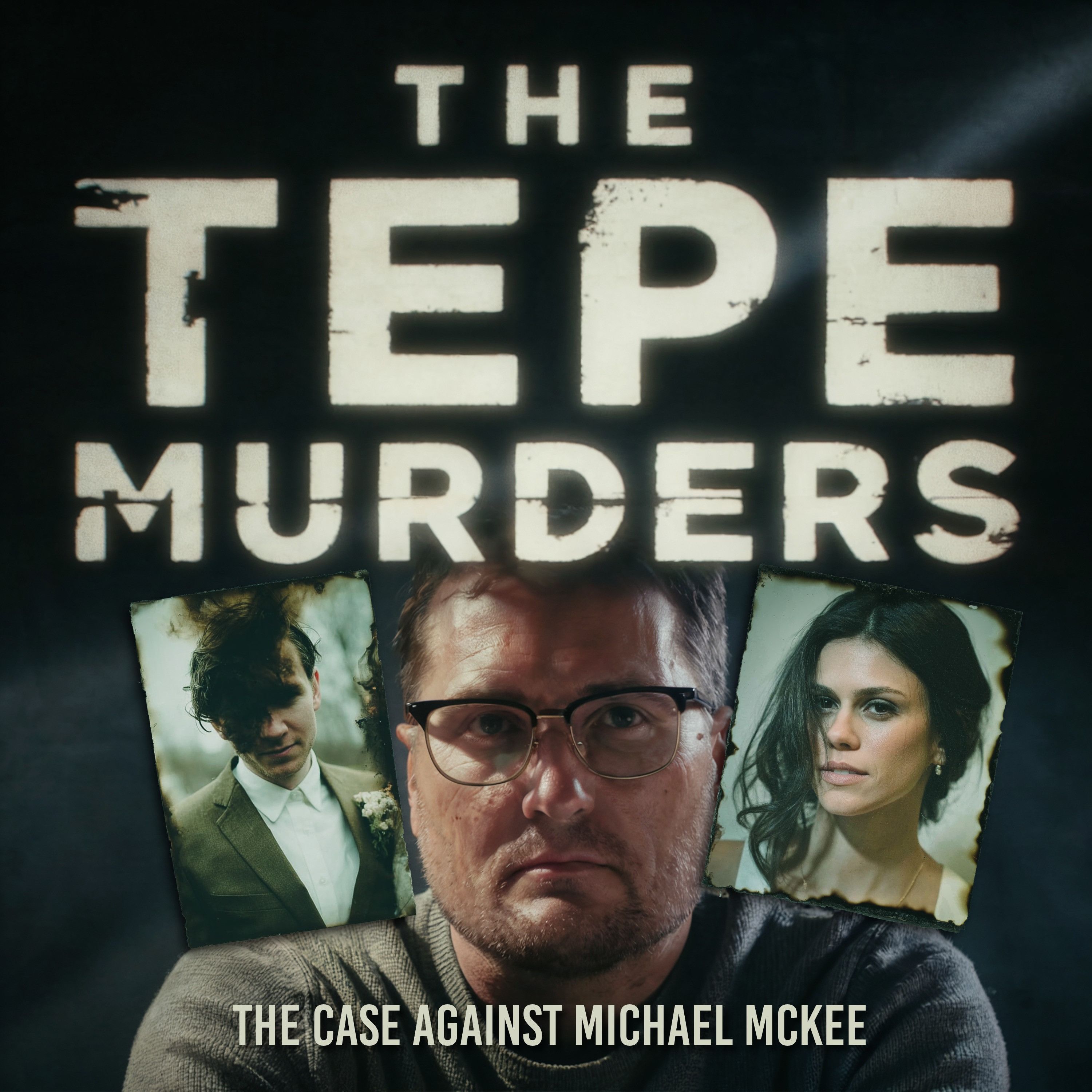
On December 30, 2025, Dr. Spencer Tepe and his wife Monique were found shot dead inside their Columbus, Ohio home. Spencer, a 37-year-old dentist, was shot multiple times. Monique, 39, was shot at least once in the chest. Their two young children — a 4-year-old girl and a 1-year-old boy — were discovered alive in separate rooms, physically unharmed but left alone with the bodies of their parents. There was no forced entry. Nothing was stolen. Three 9mm shell casings were recovered from the bedroom. Eleven days later, police made an arrest that shocked no one in the family — but stunned everyone else. Michael David McKee. A 39-year-old vascular surgeon. Monique's ex-husband. A man with no criminal record, no malpractice history, no visible red flags. They divorced in 2017 after a seven-month marriage. Eight years of silence. And then, according to police, he allegedly drove 300 miles from Chicago to Columbus, executed his ex-wife and her husband, and drove
Pitch Analysis
Required Pod Score for this show. PitchCentric checks your profile against host openness, topical fit, and audience signals before you generate a pitch.
Contact path
Public web form
Booking probability
22%
Guest openness
Selective
80/100
Required Score
Sign up to generate a grounded pitch for The Tepe Murders: The Case Against Michael McKee.
What is The Tepe Murders: The Case Against Michael McKee?
The Tepe Murders: The Case Against Michael McKee is a news podcast hosted by Unknown Host, with 81 episodes on record and a Required Pod Score of 80. PitchCentric scores this show on Booking Probability, Listen Score, and live audience signals refreshed every 24 hours.
About the host
Unknown Host hosts The Tepe Murders: The Case Against Michael McKee, a news show with 81 episodes published.
Our AI reads these to draft pitches. Use them as grounding for a pitch that cites a real guest and a specific topic.
The Tepe Murders: The Case Against Michael McKee
Monique Tepe: You Are What You Build After—Healing From Coercive Control
Mar 1, 202630 min
She chose love again. She chose parenthood. She chose a partner who mentored kids and showed up for his community every day. She chose joy while carrying years of alleged terror. That's not foolishness. That's the most courageous thing a human being can do. This is the final episode of our five-part series on coercive control—and it's for everyone still building. But building doesn't mean the fear disappears. According to the unsealed affidavit, surveillance footage shows Michael McKee walking through the Tepes' yard while Monique was at a football game in Indianapolis. She left at halftime. There's no documented tip-off. Her body just knew. That response isn't paranoia. That's what years of alleged coercive control do to a human nervous system. The hypervigilance that never switches off. The amygdala stuck in overdrive. PTSD rates among domestic violence survivors that match combat veterans. Triggers hiding in ordinary moments that outsiders can't see. This episode examines the long shadow—what life looks like when the relationship is over but the person who entered it has been systematically disassembled. We cover trauma-informed therapy and its limits. The shame survivors carry that was installed by someone who needed them to believe they were the problem. The revolutionary act of setting boundaries after years of being punished for having them. And we talk to the people nobody talks to: the partners of survivors. People like Spencer Tepe who inherit the fear alongside the person they love. That behavior isn't baggage. It's battle damage. And loving someone through it is its own form of courage. Monique wasn't defined by what she allegedly survived. She was defined by what she built after. You are not the names you were called. You are not the rules you followed. You are not the fear you carried. You are what you build after. Join Our SubStack For AD-FREE ADVANCE EPISODES & EXTRAS!: https://hiddenkillers.substack.com/ Want to comment and watch this podcast as a video? Check out our YouTube Channel. https://www.youtube.com/channel/UC8-vxmbhTxxG10sO1izODJg?sub_confirmation=1 Instagram https://www.instagram.com/hiddenkillerspod/ Facebook https://www.facebook.com/hiddenkillerspod/ Tik-Tok https://www.tiktok.com/@hiddenkillerspod X Twitter https://x.com/TrueCrimePod This publication contains commentary and opinion based on publicly available information. All individuals are presumed innocent until proven guilty in a court of law. Nothing published here should be taken as a statement of fact, health or legal advice. #MoniqueTepe #SpencerTepe #MichaelMcKee #YouAreWhatYouBuildAfter #HealingAfterAbuse #CoerciveControl #SurvivorIdentity #TraumaRecovery #TepeCase #HiddenKillers
Monique Tepe: From Love Bombing to Cage—Understanding What Happened
Feb 28, 202632 min
If something in this episode sounds familiar—not from a case file, but from your own life—that recognition is the first step. According to witnesses closest to Monique Tepe, her seven-month marriage to Michael McKee allegedly progressed from overwhelming devotion to death threats, strangulation, and forced sex. There is not a single police report. No restraining order. No documented complaint. From the outside, this looked like a short marriage between a surgeon and a yoga instructor that simply didn't work out. That's coercive control working exactly as designed. This educational series uses the Tepe case as a connective thread to examine a pattern affecting millions of people who will never make the news. We map the escalation from love bombing to surveillance, from charm to cage. The constant texts that feel like being chosen. The overwhelming attention that feels like devotion. The "I've never felt this way about anyone" that feels like finally being seen. In real time, none of it looks like red flags. It looks like everything you wanted. We break down the full toolkit of coercive control as lived experience rather than clinical checklist: isolation from the people who know you best, monitoring disguised as care, financial dependence built through small concessions, weaponized intimacy, identity erosion so gradual you don't notice who you've stopped being, and the invisible rulebook you learn through consequences rather than words. "At least he doesn't hit me" is the most dangerous measuring stick in domestic violence. It tells you that unless there are bruises, what's happening isn't abuse. It is. And understanding that distinction—between physical violence and systematic destruction of autonomy—is what this series is about. Join Our SubStack For AD-FREE ADVANCE EPISODES & EXTRAS!: https://hiddenkillers.substack.com/ Want to comment and watch this podcast as a video? Check out our YouTube Channel. https://www.youtube.com/channel/UC8-vxmbhTxxG10sO1izODJg?sub_confirmation=1 Instagram https://www.instagram.com/hiddenkillerspod/ Facebook https://www.facebook.com/hiddenkillerspod/ Tik-Tok https://www.tiktok.com/@hiddenkillerspod X Twitter https://x.com/TrueCrimePod This publication contains commentary and opinion based on publicly available information. All individuals are presumed innocent until proven guilty in a court of law. Nothing published here should be taken as a statement of fact, health or legal advice. #MoniqueTepe #SpencerTepe #MichaelMcKee #CoerciveControl #LoveBombing #TepeCase #DomesticViolence #AbuseRecognition #RedFlags #HiddenKillers
She Built It Anyway — Monique Tepe, Spencer Tepe, and Refusing to Be Defined by Abuse
Feb 27, 202617 min
Spencer mentored kids through Big Brothers Big Sisters. Monique was described as a devoted mother by everyone who knew her. They went to football games. They celebrated birthdays. They built a home. And Monique did all of it while carrying years of alleged fear from her previous marriage to Michael McKee. She didn't wait for the fear to leave before she started living. She built alongside it. That's not denial. That's defiance. The final episode of our 5-part series is about what she built — and what every survivor builds when they refuse to let the abuse have the last word. Identity after erasure. Therapy and its limits. Shame that doesn't belong to you. Boundaries rebuilt from nothing. And the community of survivors who understand what you've been through in ways no one else can. This one isn't about what was taken. It's about what was built. For Monique. For Spencer. For everyone still building. You are not the names you were called. You are not the rules you followed. You are not the fear you carried. You are not the shame you were made to feel. You are what you build after. And building is a choice you can make today. Join Our SubStack For AD-FREE ADVANCE EPISODES & EXTRAS!: https://hiddenkillers.substack.com/ Want to comment and watch this podcast as a video? Check out our YouTube Channel. https://www.youtube.com/channel/UC8-vxmbhTxxG10sO1izODJg?sub_confirmation=1 Instagram https://www.instagram.com/hiddenkillerspod/ Facebook https://www.facebook.com/hiddenkillerspod/ Tik-Tok https://www.tiktok.com/@hiddenkillerspod X Twitter https://x.com/TrueCrimePod This publication contains commentary and opinion based on publicly available information. All individuals are presumed innocent until proven guilty in a court of law. Nothing published here should be taken as a statement of fact, health or legal advice. #SpencerTepe #MoniqueTepe #MichaelMcKee #TepeCase #SheBuiltItAnyway #HealingAfterAbuse #CoerciveControl #SurvivorIdentity #TepeMurders #YouAreWhatYouBuildAfter
Living With Fear After You Get Out — What Spencer and Monique Tepe Carried Every Day
Feb 26, 202613 min
Spencer married Monique knowing she was afraid. According to family members, she talked about being terrified of her ex-husband for years. He took that on. He lived in the house that allegedly became a surveillance target. He loved someone whose nervous system never stopped scanning for danger. This episode examines the aftermath of coercive control — the PTSD, the hypervigilance, the December 6th moment when Monique allegedly sensed McKee at her home from 200 miles away. We speak directly to the partners and families of survivors — the people who inherit the fear alongside the person they love. The ones who don't understand why the doorbell triggers a freeze response, why family photos can't go on social media, why someone who's been free for years still can't sleep through the night. That behavior isn't baggage. It's battle damage. And loving someone through it requires a kind of patience nobody prepares you for. Your fear is not weakness. Monique's instincts were right. Join Our SubStack For AD-FREE ADVANCE EPISODES & EXTRAS!: https://hiddenkillers.substack.com/ Want to comment and watch this podcast as a video? Check out our YouTube Channel. https://www.youtube.com/channel/UC8-vxmbhTxxG10sO1izODJg?sub_confirmation=1 Instagram https://www.instagram.com/hiddenkillerspod/ Facebook https://www.facebook.com/hiddenkillerspod/ Tik-Tok https://www.tiktok.com/@hiddenkillerspod X Twitter https://x.com/TrueCrimePod This publication contains commentary and opinion based on publicly available information. All individuals are presumed innocent until proven guilty in a court of law. Nothing published here should be taken as a statement of fact, health or legal advice. #SpencerTepe #MoniqueTepe #MichaelMcKee #TepeCase #TheLongShadow #Hypervigilance #December6 #CoerciveControl #PTSD #YourFearIsNotWeakness
The Question That Blames the Wrong Person — Monique Tepe Left McKee in Seven Months
Feb 25, 202613 min
She recognized it fast. She got out fast. She filed for divorce. She moved. She did everything right. And according to prosecutors, it wasn't enough. This episode takes on the question that every survivor dreads and every outsider asks: "Why didn't she just leave?" We dismantle each assumption behind it. The financial traps. The custody threats. The restraining orders that don't restrain. The trauma bonding that operates like addiction. The credibility gap. And the legal system that waits for the worst thing to happen before it acts. Research consistently shows that separation is the highest-risk moment in domestic violence. Monique Tepe knew the danger and left anyway. The system failed what came after. That question — "why didn't she just leave?" — places the weight of a crime on the victim. It assumes leaving was available, safe, and sufficient. None of those assumptions are reliable. And every time it gets asked, it tells every person currently trapped: if something happens to you, people will ask what you did wrong. Not what he did. Not what the system failed to do. The question is broken. And it's aimed at the wrong person. Join Our SubStack For AD-FREE ADVANCE EPISODES & EXTRAS!: https://hiddenkillers.substack.com/ Want to comment and watch this podcast as a video? Check out our YouTube Channel. https://www.youtube.com/channel/UC8-vxmbhTxxG10sO1izODJg?sub_confirmation=1 Instagram https://www.instagram.com/hiddenkillerspod/ Facebook https://www.facebook.com/hiddenkillerspod/ Tik-Tok https://www.tiktok.com/@hiddenkillerspod X Twitter https://x.com/TrueCrimePod This publication contains commentary and opinion based on publicly available information. All individuals are presumed innocent until proven guilty in a court of law. Nothing published here should be taken as a statement of fact, health or legal advice. #HiddenKillers #MoniqueTepe #MichaelMcKee #SpencerTepe #WhyDidntSheLeave #CoerciveControl #LethalityRisk #SystemFailure #DomesticViolence #VictimBlaming
Every question we get asked before someone starts their trial.
If you have a concern about deliverability, AI quality, data privacy, or whether this will actually work for your specific situation, it's probably answered below.
What is the difference between Founder Solo and Founder Pro?
Founder Solo gives you 50 AI pitches per month using the credit model (Standard pitches cost 1 credit, Enriched pitches cost 2). Founder Pro raises that to 200 credits per month and adds full Booking Probability access, unlimited Magic Match, Apollo enrichment credits, and data export capabilities. Both plans use the same credit system, so you can stretch your monthly budget further by using Standard-mode drafting.
How do agency tiers work?
Agency tiers have no base fee. You pay per managed client and per talent profile. Agency Standard is $199 per client per month; Agency Pro is $399 per client per month. Both add $39 per talent profile per month. Your own team's user seats are always free.
What is a talent profile?
A talent profile represents one person (founder, executive, or spokesperson) you are booking onto podcasts. It includes their bio, topics, headshots, and outreach history. Team plans include 5 profiles; agency plans are pay-as-you-go.
Can I switch plans later?
Yes, at any time. Upgrades take effect immediately; downgrades apply at the end of the current billing period. Contact support if you need help migrating between plan families.
Do you offer a free trial?
Every paid plan includes a 15-day free trial. Your card is saved at signup but you will not be charged until day 16. Cancel any time from your dashboard.
What happens if I cancel?
You keep access until the end of your current billing period. No charges after that. Your data is retained for 30 days in case you reactivate.
Is the 20% annual discount automatic?
Yes. Select Annual on the pricing toggle and the discounted price is applied automatically at checkout. The annual price shown is the full year cost.
What if I have more than 50 profiles or 20 clients?
That is our Enterprise tier. Contact our sales team and we will build a custom plan with volume pricing, a dedicated account manager, and SLA guarantees.