Oct 7, 202630 min
Before producers chased 'that vintage reverb,' they were just trying to solve a problem — a bathroom that hummed, a stairwell that sang, a church nobody could afford to heat. This episode traces how the physical spaces...


Ever wonder why certain songs become instant classics while others fade into obscurity? Join host Sarah Chen as she dives deep into the hidden stories, weird coincidences, and forgotten details behind the music that shaped our world.
Required Pod Score for this podcast. PitchCentric checks your profile against host openness, topical fit, and audience signals before you generate a pitch.
Contact path
Verified email
Booking probability
31%
Guest openness
Selective
Sign up to generate a grounded pitch for The Second Track.
Signup to Generate a PitchEver wonder why certain songs become instant classics while others fade into obscurity? Join host Sarah Chen as she dives deep into the hidden stories, weird coincidences, and forgotten details behind the music that shaped our world.
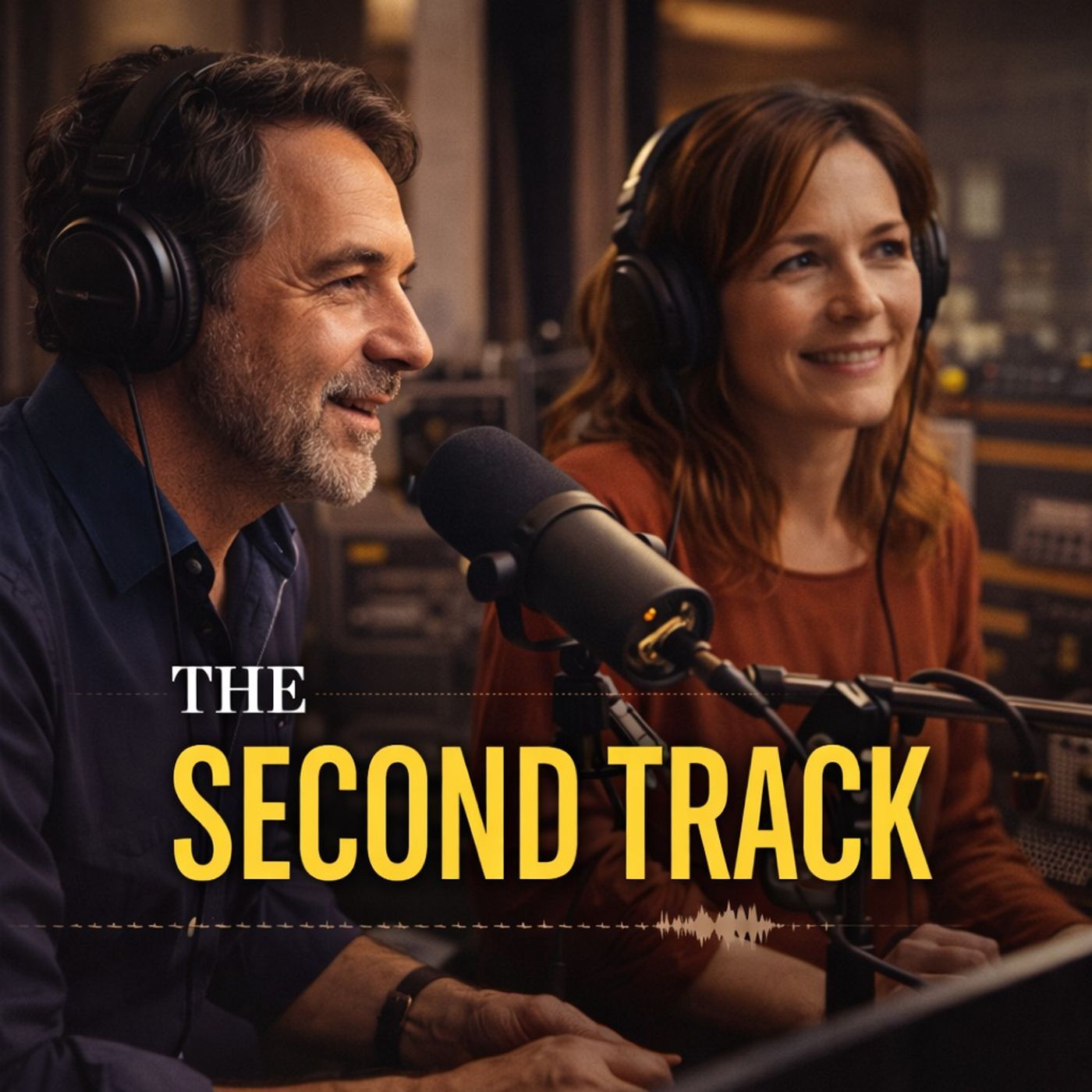
The Second Track is hosted by Podcaster. The show has published 80 episodes to date.
Recent episodes include "The Room Is the Instrument: When Silence, Space, and Accident Became the Sound" (7 October 2026, 30 minutes), "Wrong Speed, Right Feeling: The Accidental Pitches That Became the Song" (30 September 2026, 29 minutes), and "The Room Is the Instrument: How the Spaces We Record In Became the Sound We Can't Live Without" (28 September 2026, 31 minutes).
The Second Track publishes roughly weekly, with episodes averaging 28 minutes across 80 episodes.
Booking probability for The Second Track is 31%, and the host is rated Selective on guests. The Second Track requires a Pod Score of 80 or higher. The Second Track's contact route on record: verified email.
The strongest fits for The Second Track are Artists, Writers & Performers and Music & Recording. The Second Track has a music audience.
Podcaster hosts The Second Track, a music podcast with 80 episodes published.
Our AI reads these to draft pitches. Use them as grounding for a pitch that cites a real guest and a specific topic.
Before producers chased 'that vintage reverb,' they were just trying to solve a problem — a bathroom that hummed, a stairwell that sang, a church nobody could afford to heat. This episode traces how the physical spaces...
Before Auto-Tune, before pitch correction, there was the tape machine — and musicians who figured out that recording at the wrong speed wasn't a mistake, it was a secret weapon. From Syd Barrett slowing his vocals into...
Episode #80
Before producers learned to fake it, the echo of a stairwell, the slap of a tiled bathroom, and the roar of an empty cathedral weren't problems to fix — they were the secret ingredient. This episode chases reverb and...
Episode #79
Pitch is a lie we all agreed to believe. From the sped-up chipmunk gospel vocals that defined early soul, to the slowed-and-chopped Houston hip-hop scene born from a DJ accidentally leaning on a turntable, to the entire...
Before the first note hits, the room is already playing. This episode digs into how the acoustic spaces where music is recorded — crumbling churches, tiled bathrooms, missile silos, stairwells — became invisible...
Before Auto-Tune, before Pro Tools, before anyone was trying to 'fix' music, engineers were accidentally breaking it — and the results were extraordinary. This episode traces the strange, largely untold history of speed...
Sun Studio was a converted radiator shop with a low ceiling and a concrete floor. Chess Records cut classics in a space above a car parts warehouse. Motown's Hitsville USA had a living room with the furniture pushed...
Before streaming flattened everything into an endless queue, the B-side was music's pressure valve — the place where artists buried experiments, jokes, and half-finished ideas they didn't think the world was ready for...
The drum sound on 'When the Levee Breaks' wasn't engineering genius — it was a stairwell. This episode chases the rooms, hallways, cathedrals, and broken gear that accidentally became the sonic fingerprints of records...
Episode #73
Before licensing deals and lawsuit settlements, hip-hop producers were raiding crates and lifting entire identities from records most people had never heard — and in doing so, gave those forgotten songs more cultural...
Episode #72
Someone hit a wrong chord, a tape machine malfunctioned, a guitarist bent a string too far — and suddenly music changed forever. In this episode, we dig into the specific moments where errors, failures, and happy...
A broken elevator shaft in a Chicago church. A tiled bathroom in a Nashville hotel. A converted potato chip factory in London. The rooms where legendary records were made were often never meant to make music at all —...
They were the songs labels didn't want to release, the tracks buried at the end of side two, the filler that wasn't supposed to matter — and somehow they became the ones we can't stop listening to. This episode digs...
The stairwell at Spotify isn't a studio, but John Bonham's drums at Headley Grange changed rock forever anyway. This episode digs into the weird, unplanned spaces — hallways, bathrooms, concrete bunkers, live rooms...
There's a reason your old CD collection sounds better than you remembered, and it has nothing to do with nostalgia — it has to do with a frequency curve called the 'smiley face EQ' and the commercial arms race that...
In the late 1960s, Jamaican sound system operators and studio engineers discovered that running tape machines at slightly inconsistent speeds didn't ruin recordings — it gave them a weight and pulse that no instrument...
Episode #66
Before Pro Tools, before pitch correction, before anyone could fake a room — producers were hunting for the perfect space like prospectors chasing gold. This episode tells the obsessive, almost accidental story of how a...
In 1969, a drummer named G.C. Coleman played a six-second drum break on a B-side that nobody cared about — and then it quietly became the most sampled, bootlegged, and legally contested piece of recorded audio in...
Before pitch-shifting rewired how we hear music, there was something even more fundamental being manipulated: space itself. This episode traces reverb from the actual stone chambers and stairwells that early engineers...
Before Auto-Tune, before digital pitch correction, engineers were accidentally — and then very deliberately — playing recordings back at the wrong speed, and what fell out of those mistakes changed the texture of pop...
PitchCentric classifies The Second Track under these industries. Guests from them are the closest fit, and each links to the best podcasts in that industry.
Shows with the most semantically similar episode content. Pitch one, pitch all; producers cluster.
Is this podcast yours and you'd like to remove or correct details? Request removal or email privacy@pitchcentric.com.
Questions about the free trial? See the pricing FAQ


