The John Batchelor Show
CONTENTS-JBS-9-9-2026
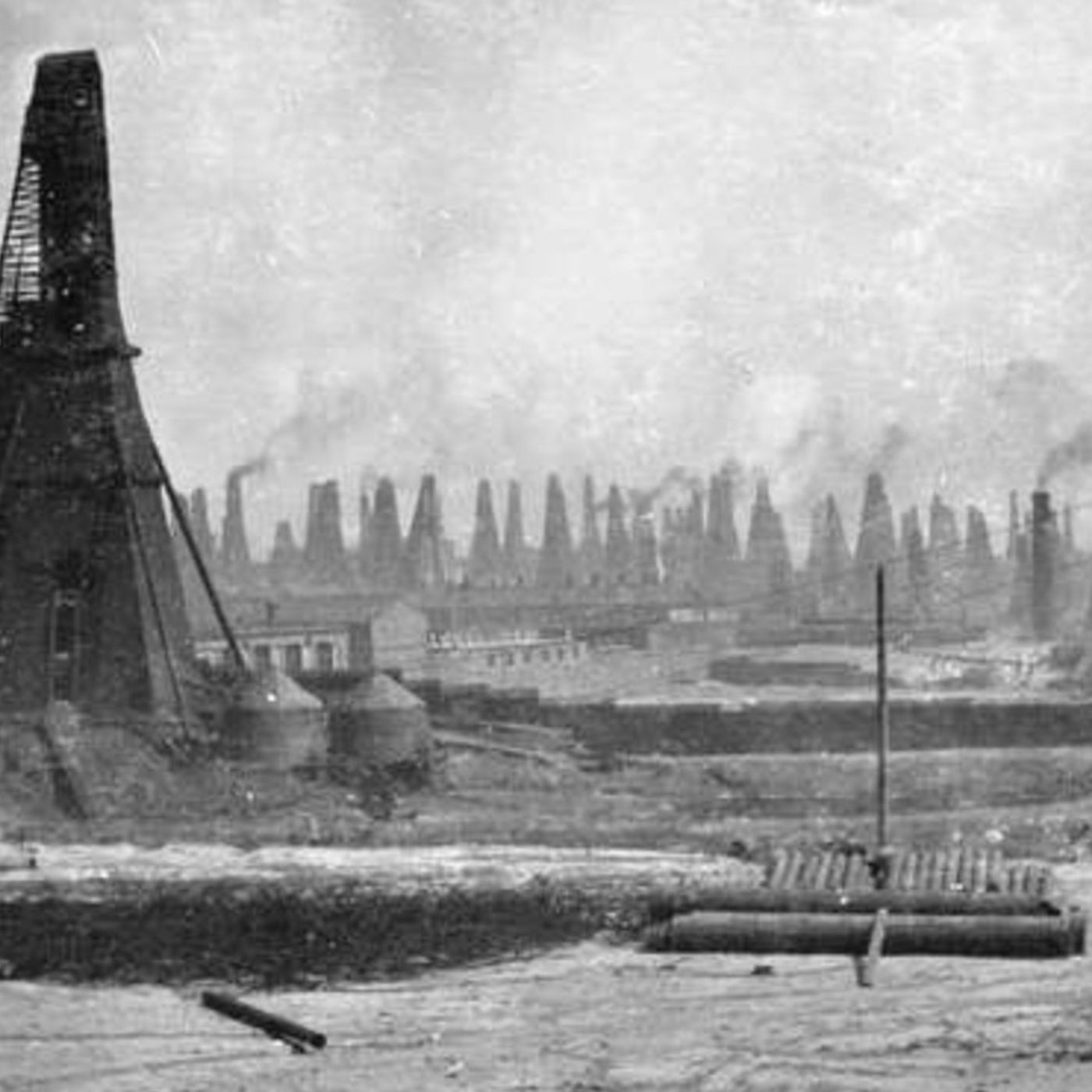
1910 BAKU CONTENTS-JBS-9-9-2026 Global Refined Fuel Crisis Drives Markets Michael Bernstam analyzes the global refined petroleum crisis, emphasizing that diesel crack spreads have reached record levels due to refinery bottlenecks and geopolitical conflicts. Disruptions in the Strait of Hormuz and drone strikes on Russian refineries have cut refined product supplies by millions of barrels daily. Because U.S. shale oil yields lighter products unsuitable for heavy diesel production and domestic refineries operate near full capacity, elevated fuel prices are projected to persist into 2027. Concurrently, China is de-risking its foreign reserves by purchasing Russian gold to mitigate potential Western sanctions while exploiting Moscow's fiscal strains to demand steep discounts on natural gas imports. (1) Commercial Space Progress And Planetary Exploration Bob Zimmerman highlights commercial space advancements, noting Stoke Space's $1 billion capital raise to develop its fully reusable Nova rockets and Isar Aerospace's historic orbital launch from Norway. Meanwhile, bureaucracy continues to hinder British spaceport development. In orbital operations, Catalyst demonstrated satellite rendezvous capabilities despite failing to save the Swift observatory's decaying orbit. Additionally, U.S. firms boycotted a Frenchsummit over restrictive proposed EU regulations. Internationally, European and Japanese orbiters successfully separated ahead of Mercury orbital insertion. However, Zimmerman raises concerns over NASA's Perseverance rover dithering on Mars without taking core samples for 15 months. (2) Russian Hybrid Warfare And Balkan Geopolitics Ivana Stradner details Russia's persistent hybrid warfare against Western democracies, utilizing social media, cyber operations, undersea cable sabotage, and disinformation to erode alliance cohesion. She notes how the populist AfD party leveraged platforms like TikTok to capture youth votes in Saxony-Anhalt. Stradner emphasizes that Vladimir Putinexploits Western risk aversion and seeks to divide NATO, arguing Washington must project decisive strength. In the Western Balkans, Serbian President Aleksandar Vučić continues balancing between the West, Russia, and China to preserve authoritarian control, despite growing domestic protests led by students and young citizens seeking democratic reform. (3) German Political Turbulence Following AfD Surge Judy Dempsey analyzes the political shockwaves caused by the Alternative for Germany (AfD) securing nearly 44% of the vote in Saxony-Anhalt. This outcome has pressured Chancellor Friedrich Merz to defend democratic institutions while maintaining the CDU's strict firewall against forming coalitions with the populist party. Dempsey highlights that AfD's success relies heavily on strong TikTok engagement by young figures like Ulrich Siegmund, appealing to middle-aged men and youth. Although AfD's platform promotes anti-refugee sentiment and hostility toward the EU, Dempsey warns that anti-EU policies would undermine Germany's economic foundation. (4) Trade Conflict Drives Realignment Charles Burton discusses the severe breakdown in U.S.-Canada economic relations following retaliatory tariff escalations and trade bans. Canadian Prime Minister Mark Carney has framed the dispute around defending national sovereignty, recalling historical precedent like the 1890 McKinley tariffs that fostered Canadian nationalism. In response to proposed 50% U.S. tariffs and import bans, Canada implemented targeted tariffs against red-state exports. Burton observes that this rift is forcing Ottawa to diversify its resource exports away from the United States toward alternative global markets, warning that Beijing is eagerly waiting to deepen economic and strategic ties with Canada. (5) China Strategic Ambitions In Cislunar Space Rick Fisher examines growing strategic competition between the United States and China in cislunar space, the critical region between Earth and the Moon. A leaked Chinese military academic article outlines principles for cislunar combat, complemented by plans to launch 30 monitoring cubesats to support space operations. Fisher notes that China's long-standing strategy aims to control cislunar space much like its territorial claims in the South China Sea. He stresses that without firm American deterrence, Beijing could unilaterally establish dominance over cislunar transit and future lunar activities, making preparation for potential conflict essential to maintaining access. (6) U.S. Canada Friction And International Diplomacy Mary Kissel assesses escalating trade tensions between President Trump and Canadian Prime Minister Mark Carney, driven by disputes over protectionism and retaliatory tariffs. She notes that while both leaders find political advantage in public confrontation ahead of domestic elections, economic integration across energy, banking, and defense remains crucial. Kissel warns against Ottawa using China as an economic counterweight. Turning to European security, Kissel expresses skepticism regarding recent White House diplomatic overtures to Moscow, arguing that negotiating without imposing firm consequences fails to counter Vladimir Putin's unyielding demands and ongoing hybrid warfare tactics across Western Europe. (7) Global Commodity Crises And British Politics Simon Constable discusses recent weather, global commodity price spikes, and British political developments. Following relief from long summer heat in France, global markets are facing surging energy costs, with Brent crude hitting $100 per barrel, European electricity rising 30%, and high diesel prices. Agricultural commodities like soybeans, wheat, and corn have also climbed significantly. In Great Britain, Prime Minister Burnham's government faces controversies over turning away volunteer migrant rescue vessels, defunding Territorial Army reserves, and elevated bond yields. Additionally, Foreign Minister Ed Miliband addressed contentious proposals regarding Israeli West Bankimport bans. (8) US Naval Readiness Facing Chinese Expansion Captain James Fanell addresses concerns over rust on the aircraft carrier USS Abraham Lincoln, framing it as routine maintenance strain from over 200 days of continuous combat sorties. China has leveraged the warship's appearance for cognitive warfare to push a narrative of American decline. Fanell warns that the U.S. Navy is severely overstretched due to extended deployments, a fleet reduced from fifteen to ten carriers, and decades of flawed ship designs. Meanwhile, China's rapidly expanding fleet conducts aggressive maneuvers near Taiwan and Japanese islands, positioning to potentially enforce a blockade or invade Taiwan. (9)