The IILAH Podcast
Counterarchive Dialogues: Writing Against Silence: Literature, Nuclear Harm and the Counter-Archives of International Law
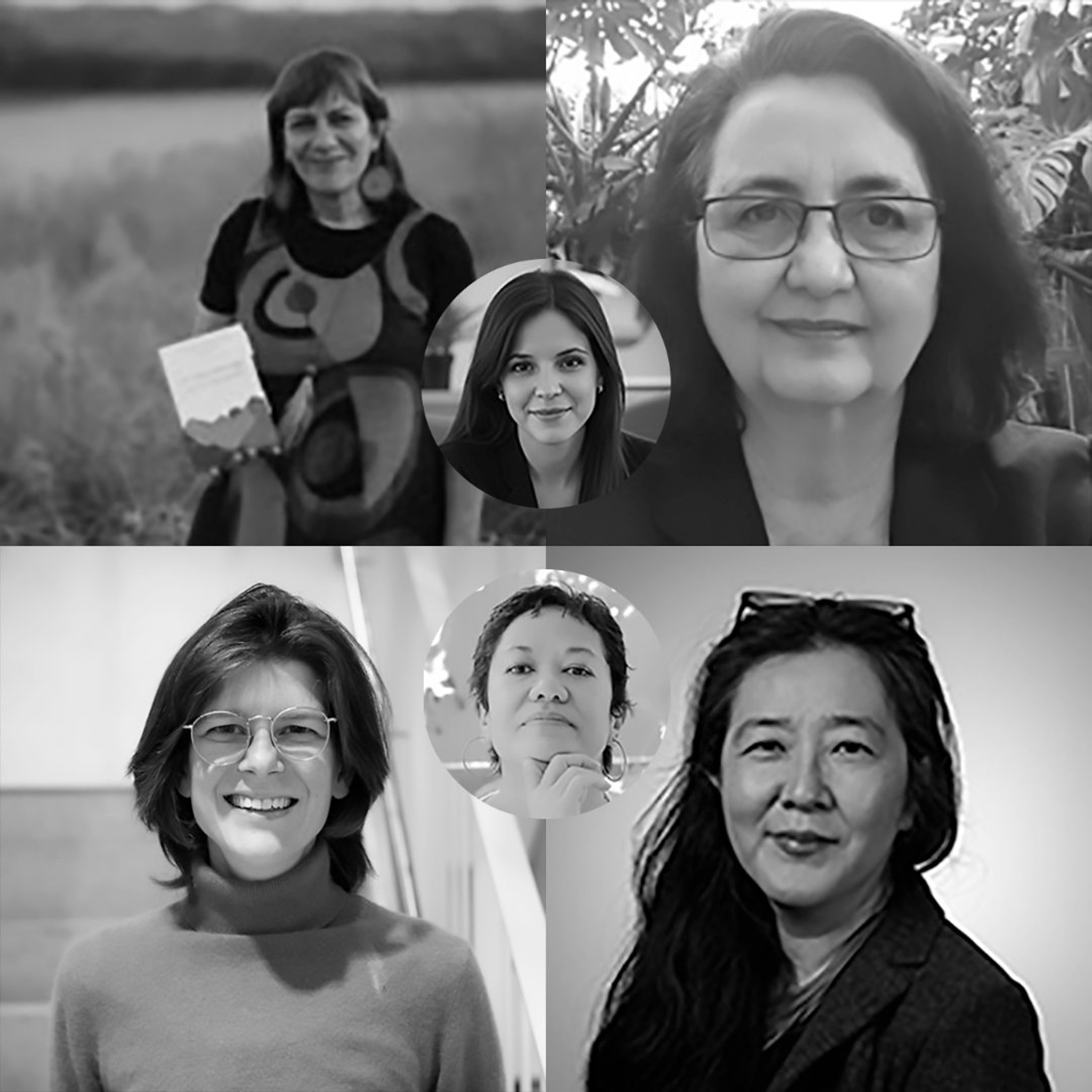
In this episode, writers and activists Ali Cobby Eckermann, Vanessa Griffen, Titaua Peu and Mariko Nagai come together to explore memory, testimony and the long afterlives of nuclear harm across Australia, the Pacific and Japan — and to ask what these experiences mean for international law. International law has increasingly confronted the consequences of nuclear weapons through questions of state responsibility, human rights, environmental harm, disarmament and reparations. Yet legal processes depend heavily on particular forms of evidence: official documents, scientific studies, military records and state archives. This conversation asks what happens to the experiences that those records cannot easily capture — poisoned Country and oceans, damaged bodies, fractured families, reproductive harm, fear, grief, anger, silence and memories transmitted across generations. Through poetry, photography, personal histories and lived experience, each speaker offers a different way of recording nuclear harm. Ali Cobby Eckermann reflects on Country, family, the Stolen Generations and the legacies of British nuclear testing at Maralinga and Emu Field. Vanessa Griffen returns to her poem White Ashes and more than fifty years of Pacific anti-nuclear activism, connecting personal experience with a continuing struggle for disarmament and accountability. Titaua Peu speaks about writing against the silence surrounding French nuclear testing and colonialism in Tahiti, and about the consequences that continue to shape Polynesian society. Mariko Nagai explores the fragmented, intimate and sometimes contradictory memories that remain in the aftermath of Hiroshima, Nagasaki and Fukushima. Together, they ask a larger question: how do we remember — and seek justice for — what nuclear violence has tried to erase? The conversation considers literature not simply as art, but as testimony and a counter-archive: a way of preserving experiences that may never appear in government files or satisfy conventional legal categories of proof. It asks whether international law can recognise these other forms of knowledge, what counts as evidence of nuclear harm, whose voices enter the legal record, and what is lost when responsibility is reduced to what official archives can document. At its heart, the episode is about the relationship between memory and justice. It asks whether law can respond adequately to harms that cross borders and generations, whether reparations can account for emotional, cultural and environmental loss, and how literature and testimony might expand our understanding of what nuclear justice requires. Dr Anaïs Maurer chaired the conversation, and Dr Ann-Sophie Levidis convened it at Melbourne Law School. The event was organised as part of Dr Ann-Sophie Levidis’s McKenzie Fellowship project at the University of Melbourne. A visual excerpt to accompany Professor Mariko Nagai's presentation can be viewed here: https://law.unimelb.edu.au/centres/iilah/news-and-events/events-2026/after-the-test-literature,-memory-and-nuclear-legacies