
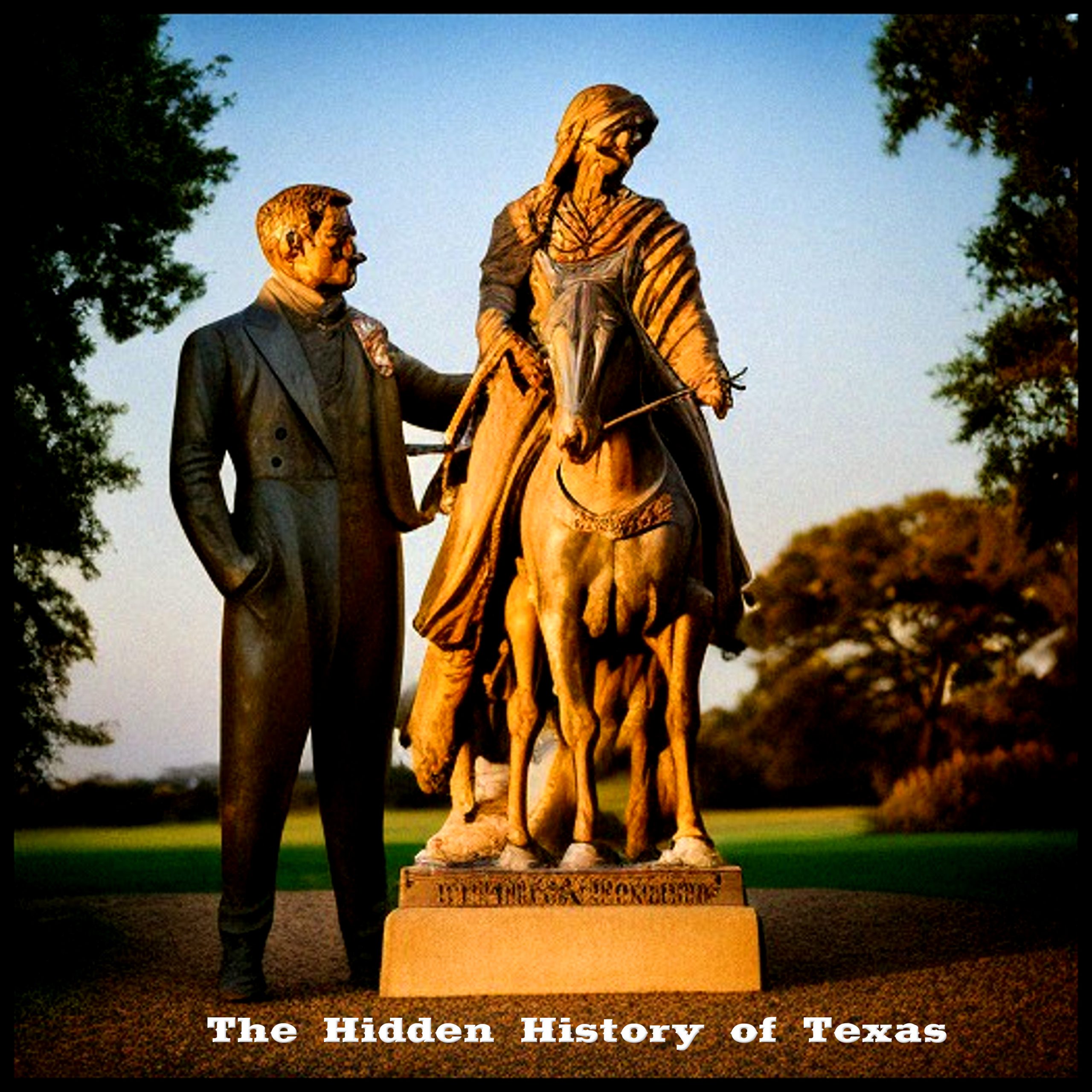
The Hidden History of Texas
A Nation Rebuilt
A Nation Rebuilt The war ended, but the constitutional questions had just begun. Hello, and welcome to Political Realignment. I'm Hank Wilson. I'd like to begin with a simple question. How do you rebuild a nation after it has been divided against itself? It's a question every generation hopes it will never have to answer. Yet in the spring of 1865, Americans found themselves facing exactly that challenge. After four long years of conflict, the fighting had ended. The Union had been preserved, slavery had been abolished, and millions of Americans looked toward the future with hope. But peace did not erase the problems that war had created. In many ways, the nation's hardest work was only beginning. The Southern states had suffered tremendous destruction. Railroads, bridges, farms, businesses, and entire communities had been devastated. Families on both sides of the conflict mourned loved ones who would never return home. At the same time, nearly four million formerly enslaved men, women, and children were now legally free, beginning lives unlike anything they or the nation had experienced before. One enormous question stood before the country. What should the United States become now? Should the former Confederate states simply return to the Union as if nothing had happened? Should they be required to meet certain conditions before regaining full representation in Congress? What rights should formerly enslaved Americans possess? Who should protect those rights? And perhaps the largest constitutional question of all... Should individual states decide these issues for themselves, or should the federal government establish national standards? These weren't simply political disagreements. They were constitutional questions that would shape American government for generations. President Abraham Lincoln had begun considering these questions before the war ended. His hope was to restore the Union as quickly as possible while encouraging reconciliation between North and South. Tragically, only five days after General Robert E. Lee surrendered at Appomattox Court House, President Lincoln was assassinated. Vice President Andrew Johnson suddenly found himself responsible for leading a wounded nation through one of the most difficult periods in American history. No one had ever attempted to reunite a nation after a civil war. There was no instruction manual. Congress and the President often disagreed about the best path forward. Some believed the Southern states should regain self-government quickly. Others feared that moving too fast would allow many of the same political leaders and systems that had existed before the war to return to power. Meanwhile, millions of newly freed Americans were asking a fundamental question. What did freedom actually mean? Was it simply the absence of slavery? Or did freedom also include citizenship... voting... education... equal treatment under the law... and the opportunity to participate fully in American society? Those questions would become the heart of one of the most ambitious periods of constitutional change in our nation's history. Over the next twelve years, Congress would pass new constitutional amendments, reorganize Southern governments, station federal troops throughout much of the South, and attempt to redefine the relationship between the federal government, the states, and individual citizens. The period became known as Reconstruction......
