Talking Teaching
Thriving Kids: Rethinking Early Intervention, Neurodiversity and Belonging
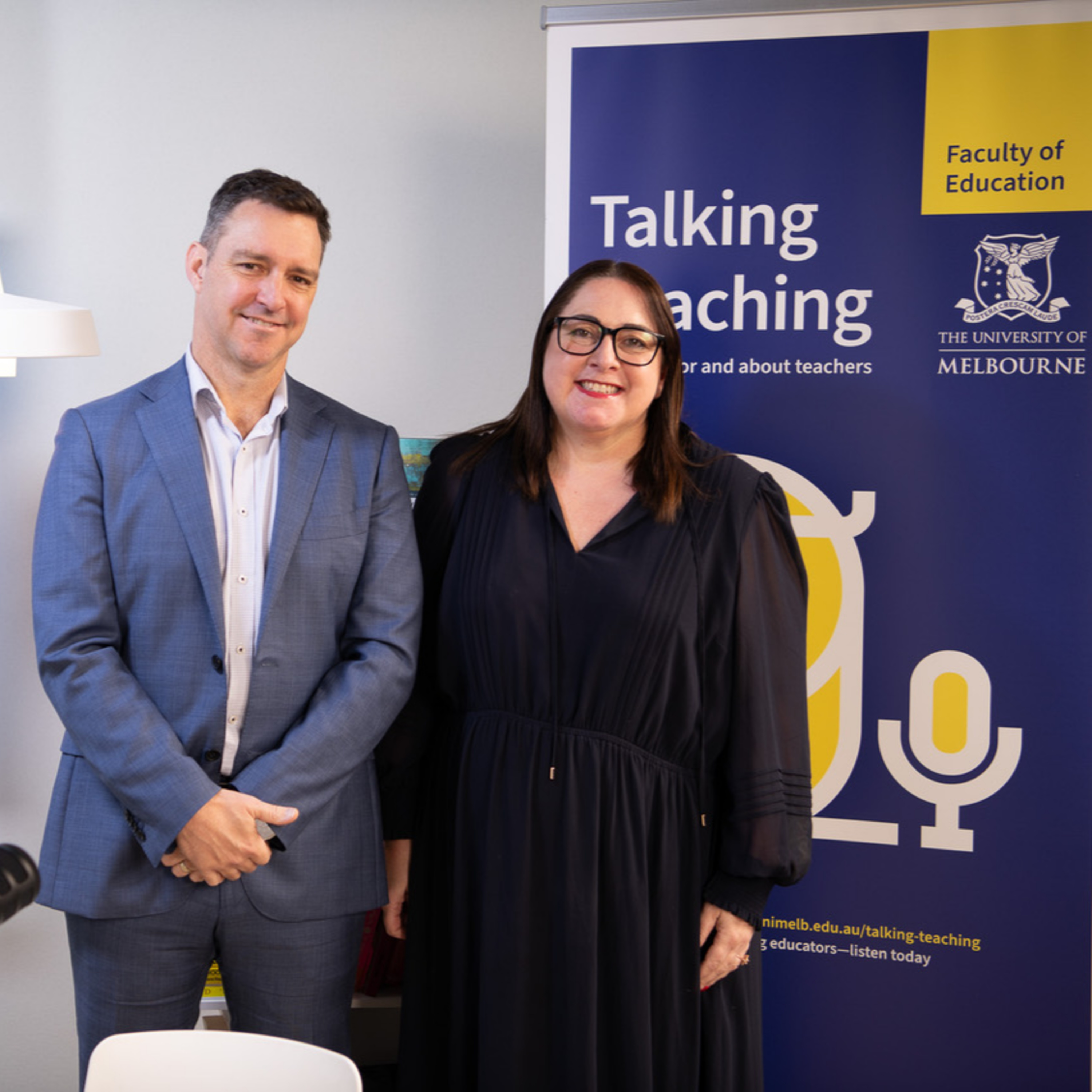
In this timely episode, host Dr Sophie Specjal is joined by Professor Frank Oberklaid AM and Associate Professor Matt Harrison to examine one of the most significant changes to Australia’s approach to supporting young children and their families. The staged national rollout of the Australian Government’s Thriving Kids initiative is due to begin on 1 October 2026, with the program expected to reach full scale by January 2028. Professor Oberklaid brings exceptional insight to this conversation as Co-Chair of the Thriving Kids Advisory Group, which produced the national report and recommendations informing the initiative. This work seeks to establish a more consistent national approach to identifying developmental and behavioural concerns in children from birth to eight years of age and to create earlier, more accessible pathways to support. Frank’s contribution to Thriving Kids reflects decades of leadership at the intersection of clinical practice, research, education and public policy. He was the Foundation Director of the Centre for Community Child Health at The Royal Children’s Hospital Melbourne for more than 25 years and is now Co-Group Leader of Child Health Policy, Equity and Translation at the Murdoch Children’s Research Institute. The Centre itself sits at a powerful intersection: it is both a department of The Royal Children’s Hospital and a research group within the Murdoch Children’s Research Institute. This connection enables knowledge drawn from children, families and clinical practice to inform research, while research evidence is translated into policy, services and practical supports. Frank’s career has been central to building this bridge, from understanding children’s developmental and behavioural needs to shaping systems that emphasise prevention, early intervention, equity and support within the everyday settings where children live and learn. Frank also leads the Mental Health in Primary Schools initiative, further demonstrating how his work connects child health research with the practical realities of schools and educators. His involvement gives this discussion particular significance: he brings not only an intimate understanding of the Thriving Kids policy, but decades of experience translating evidence into large-scale change for children and families. Associate Professor Matt Harrison joins Sophie to explore how this policy relates to neurodiversity and to his own work in this field. Together, they consider the important questions the initiative raises, its potential implications for children, families, educators and schools, and the possibilities it creates for more inclusive and responsive systems of support. Frank, Matt and Sophie examine the shift from reactive, diagnosis-led intervention towards prevention, early identification and accessible foundational supports. They discuss neurodiversity, identity and belonging; the risks of defining children primarily through diagnoses or perceived deficits; and the importance of recognising each child’s individual strengths, needs and developmental context. Grounded in research, policy expertise and practical insight, this episode does not seek to provide simple answers. Instead, it opens an important conversation about the questions, implications and possibilities surrounding Thriving Kids, and what will be required to translate the policy’s ambition into meaningful support for children and families. Please like and subscribe so that all episodes come directly to you. Contact Host Dr Sophie Specjal and access brilliant resources related to this episode and resources from all other episodes, which are all available for you to listen to on all podcast platforms, on the University of Melbourne's Faculty of Education https://education.unimelb.edu.au/talking-teaching Thank you for listening across the 135+ countries where Talking Teaching is now being heard. We would love your feedback and to keep connecting with you. Keep Teaching and Keep Talking!