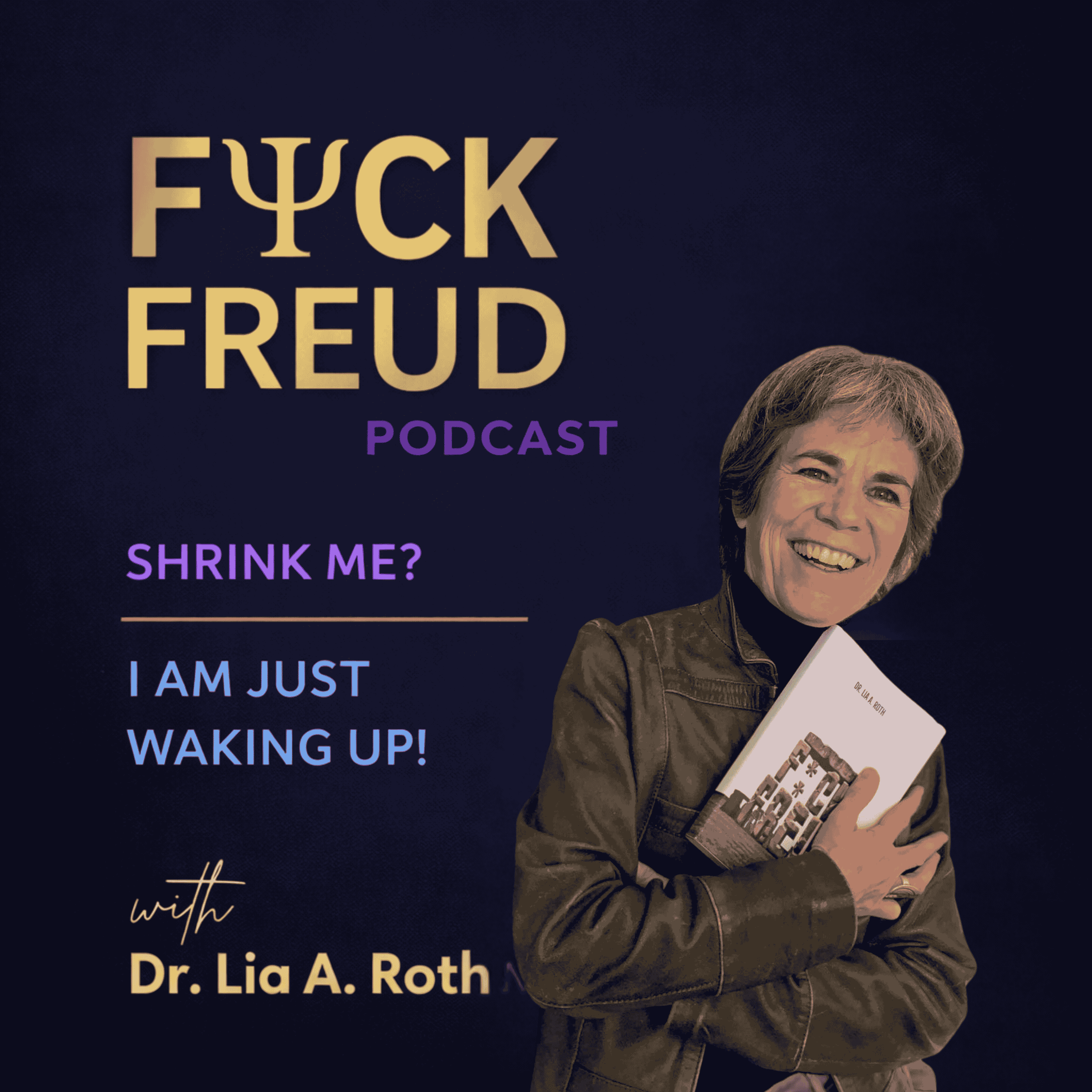
Shrink Me? I’m Just Waking Up is the podcast for people who suspect their self-knowledge might be performing for an audience. Dr. Lia Roth — psychoanalyst, author, and professional detector of scripts people mistake for personality — takes apart the roles we slip into when the relational field stops feeling safe. Betrayal. Shame. Desire. Relational theory. Narrative identity. Meaning. Recognition. Autonomy. Attachment. No wellness platitudes. No soft-focus healing theater. Just short, sharp episodes about what the body registers before the mind writes the press release. Every Sunday, we clear the noise, spot the crack, and come back to what actually matters. Questioning your favorite self-description may have side effects. Fortunately, I'm not that kind of doctor, so this is not medical advice. It's worse. It might actually start to make sense. Topics: psychoanalysis, relational theory, betrayal, shame, attachment, narrative identity, meaning-making, autonomy, recognition vs. approval, psychology podcast, self-help critique, desire
Pitch Analysis
Required Pod Score for this show. PitchCentric checks your profile against host openness, topical fit, and audience signals before you generate a pitch.
Contact path
Public web form
Booking probability
31%
Guest openness
Selective
80/100
Required Score
Sign up to generate a grounded pitch for Shrink Me? I am just waking up.
Shrink Me? I am just waking up is a education podcast hosted by Unknown Host, with 54 episodes on record and a Required Pod Score of 80. PitchCentric scores this show on Booking Probability, Listen Score, and live audience signals refreshed every 24 hours.
About the host
Unknown Host hosts Shrink Me? I am just waking up, a education show with 54 episodes published.
Our AI reads these to draft pitches. Use them as grounding for a pitch that cites a real guest and a specific topic.
Episode #52
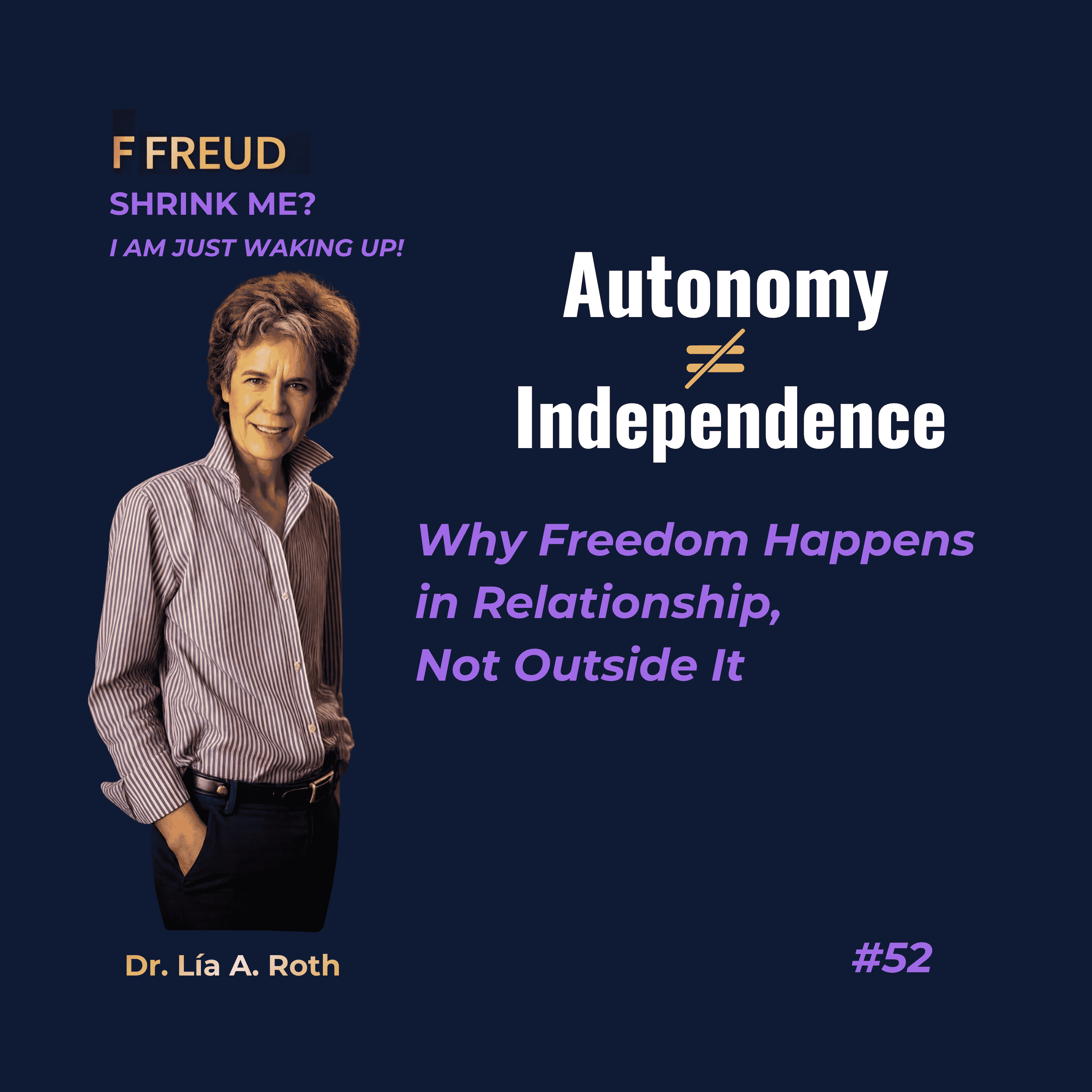
Autonomy Is Not Independence, Why Freedom Happens in Relationship, Not Outside It
Aug 23, 202611 minS1
You are at the grocery store when a song comes on the overhead system. It used to mean something. It used to organize your entire afternoon. This time, it doesn't. Across the last several episodes, Dr. Lia Roth has traced the architecture beneath that ordinary moment: shame as the body's first registration at the edge of belonging, the role as the solution, the playground as what the role replaced, desire as the desire of the Other, and Jay Whozit as the orienting compass around which life quietly organized itself. This week, she arrives at autonomy. Not as triumph. Not as independence. Not as the fantasy of no longer needing anyone. But as the relational capacity to enter a room without the role running your presence. To remain yourself while the field changes shape around you. To play your cards again from your own center rather than from the need for approval, certainty, or assignment. Sometimes autonomy looks less like liberation and more like buying bread on an ordinary Tuesday afternoon while the wave that used to come simply doesn't. Takeaways • Autonomy is not independence. • Autonomy rarely arrives dramatically. • With autonomy, what changes is your capacity to notice what is going on and choose differently. References: Winnicott, Benjamin, Lacan, and the BRT frameworks developed in Get In or Get Out, But Don’t Stay in the Freakn’ Middle and Not Anymore (forthcoming).
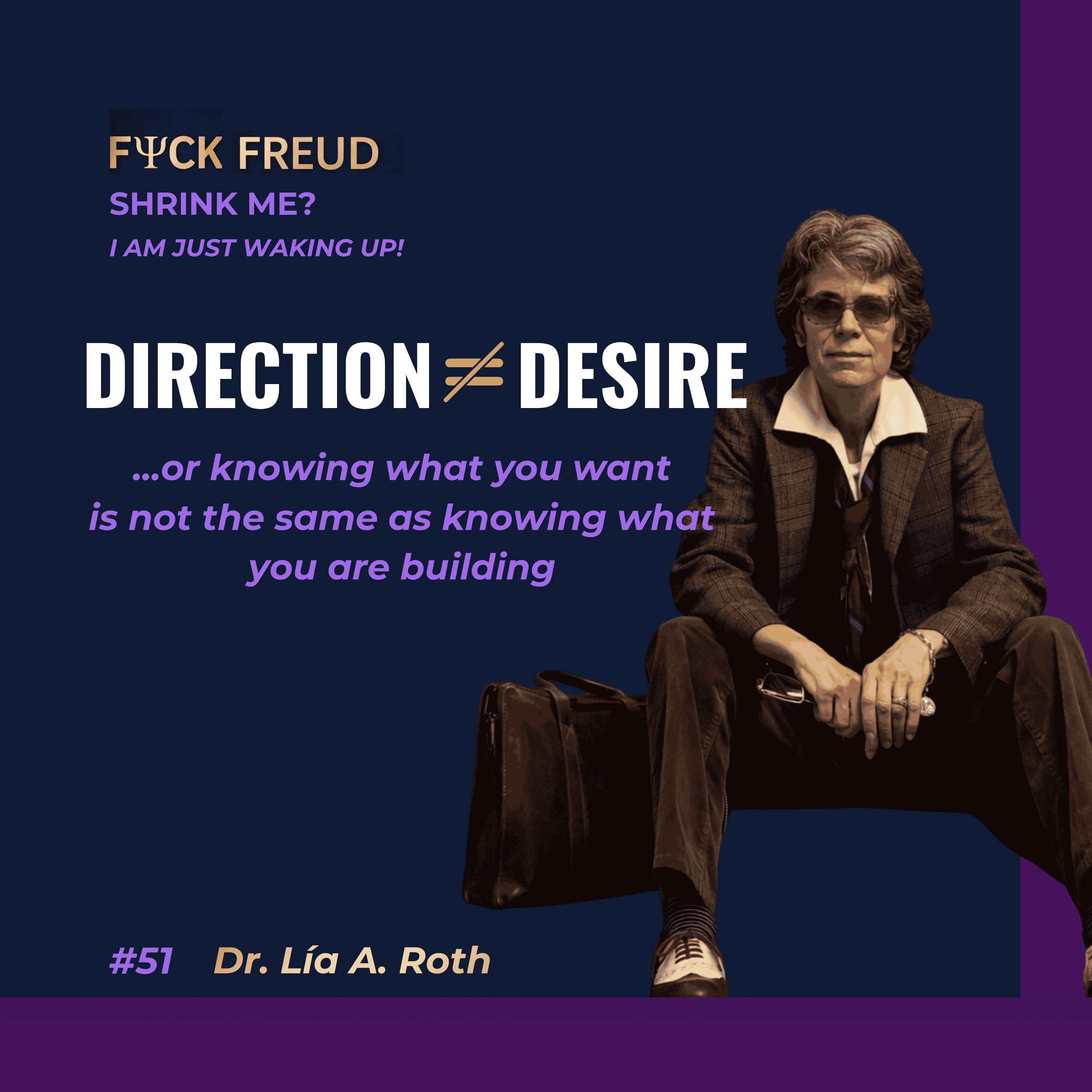
Direction Is Not Desire... What you want is not the same as knowing what you're building
Aug 16, 202611 minS1
It is 2 AM and you are reorganizing the spice cabinet. You did not plan this. You came downstairs for water. And somewhere between the cumin from 2019 and the oregano, your body is asking a question your mind has not caught up to yet, something about what you are still doing here, and the life that is on the other side of all of this. Whose desire have you been living? What do you want out of this life? They surface together, they are not the same question. Knowing what you want is not the same as knowing what you're building.. Takeaways: • Desire is structural. • Direction is existential. • When the compass breaks, the life you were physically inhabiting reveals itself to have been built around someone else’s desire. • The existential question is archaeological before it is forward-looking. • You do not owe anyone an architectural review of your own life. References: Binary Relationship Theory (BRT); Jay Whozit and the semiotic theory of betrayal; Lacan’s desire of the Other; the freakn’ middle. Frameworks drawn from Get In or Get Out, But Don’t Stay in the Freakn’ Middle and Not Anymore (forthcoming). Subscribe to Z-Land Field Notes on Substack.https://drliaroth.substack.com
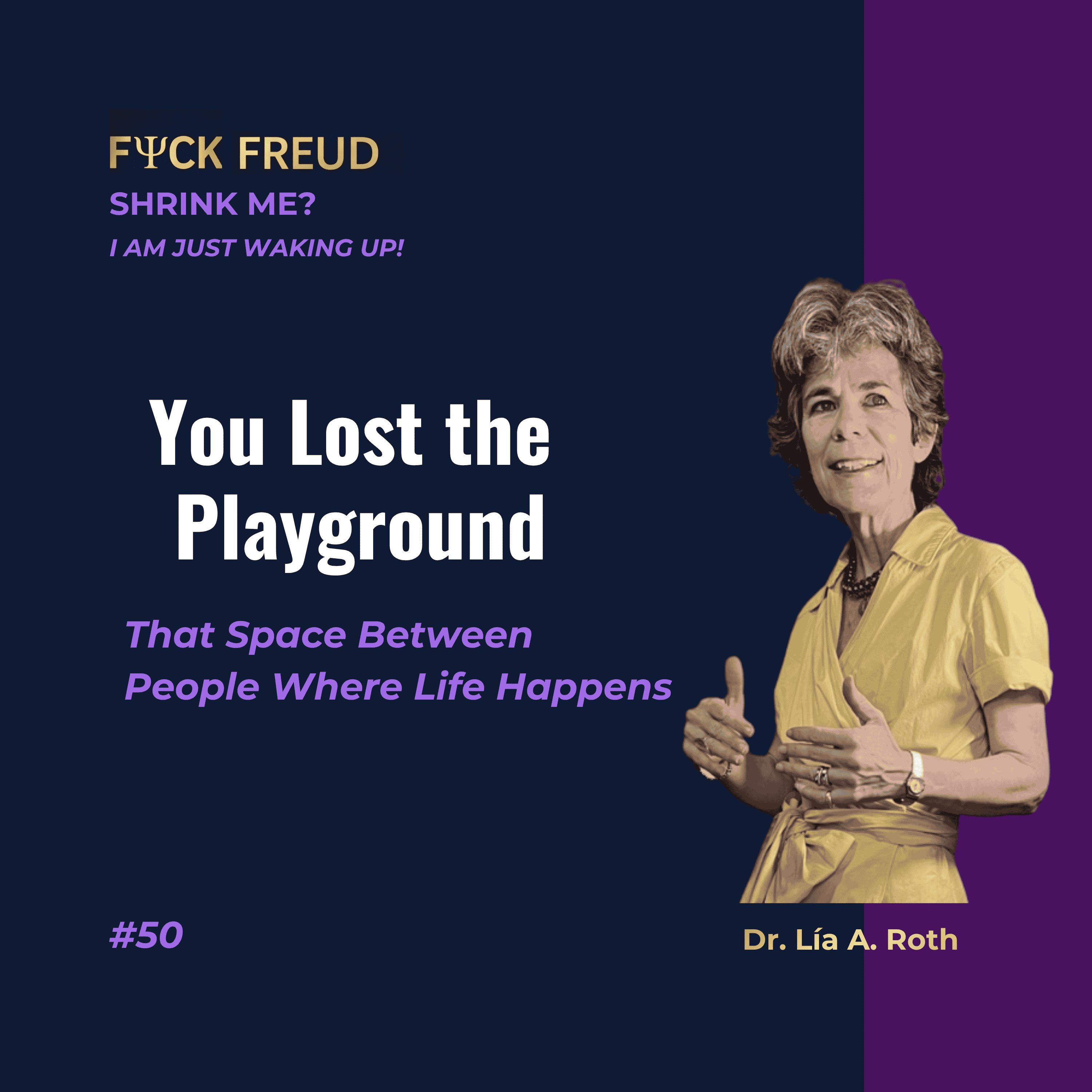
You Lost the Playground... That Space Between People Where Life Happens
Aug 9, 202611 minS1
The playground? That relational condition where nothing is demanded, nothing intrudes, and something can arise from the self without being managed, performed, or approved. Drawing on Winnicott’s concept of the capacity to be alone in the presence of another and Jessica Benjamin’s mutual recognition, Dr. Roth traces how the playground collapses in early life and how every role—Fixer, Performer, Martyr, Magnet, Ghost, Strategist—is a way of filling the space the playground once held. Takeaways: • You did not lose connection. You lost the playground. • Why some people feel most anxious when things are going well. • Can you create a playground? References: Binary Relationship Theory (BRT); the playground / third space; Winnicott’s capacity to be alone in the presence of another; Jessica Benjamin’s mutual recognition; the six relational positions. Frameworks from Not Anymore (forthcoming) and Get In or Get Out, But Don’t Stay in the Freakn’ Middle Subscribe to Z-Land Field Notes on Substack.https://drliaroth.substack.com
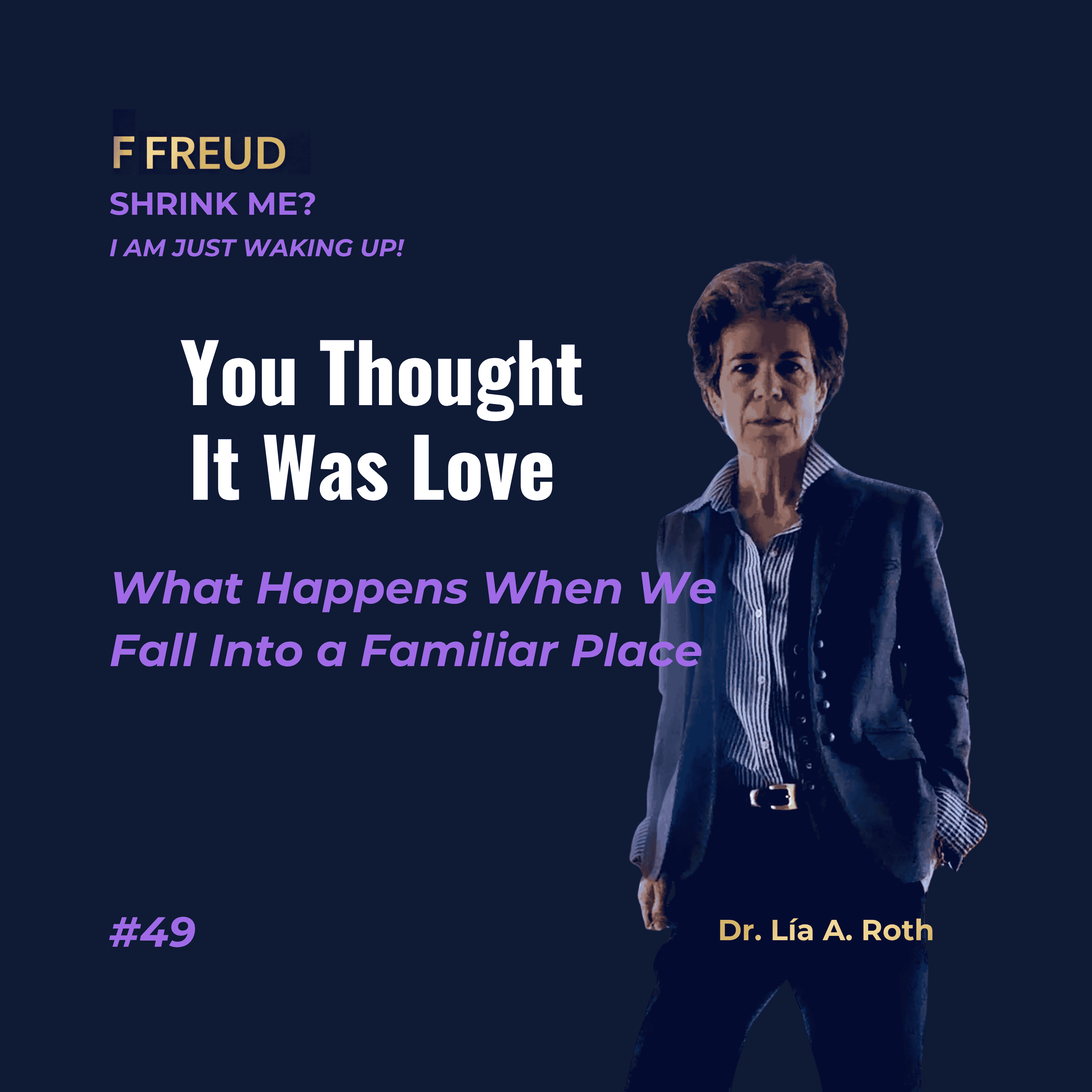
You Thought It Was Love. What Happens When We Fall Into a Familiar Place?
Aug 2, 202612 min
Did you notice? Some Relationships Feel Destined Before They Even Begin But you were already fixing before you met the person who needed fixing. You were already performing before the audience showed up. The relationship did not create the pattern. The relationship was the stage it walked onto. This episode traces the origin of relational roles—not as personality types, but as positions learned long before the relationships that made them visible. Drawing on Binary Relationship Theory (BRT), Dr. Roth names the five relational positions (The Performer, The Martyr, The Magnet, The Fixer, The Ghost) not through behavior, but through the body’s earliest logic. Takeaways: • The pattern you keep repeating was a solution built in childhood, not a product of your current partnership. • Betrayal is devastating not only because of what was done, but because it exposes the structure you’ve been living by. • The people around you reinforce the role because the field benefits from it. • When you step out, the pushback is systemic, not personal. References: Binary Relationship Theory (BRT); the six relational positions; the third element; the freakn’ middle; shame as primal registration (Roth, 2024). Frameworks drawn from Not Anymore (forthcoming) and Get In or Get Out, But Don’t Stay in the Freakn’ Middle. Subscribe to Z-Land Field Notes on Substack.
"I Thought I Was Past This” ...Why Recovery Has a Publicity Problem
Jul 26, 202614 minS1
You thought you were over it. Then you reached for the paprika and found a mug you forgot to throw away, and your chest did something your calendar did not authorize. This episode is about the spiral. The way healing cycles back through territory you already crossed, and why that recycling is not failure. It is you, meeting the same material from a different altitude. Drawing on Binary Relationship Theory (BRT), Dr. Roth names the moment most people miss: the moment you realize you have been waiting for permission to be fine. Not from a therapist. Not from the person who hurt you. From the room. From the invisible social field that decides when grief has lasted long enough. Takeaways: • Healing moves in spirals. Cycling back? That is not regression, it is a new level of engagement. • The thought "I should be over this" often belongs to the social field, not to you. • Performing recovery is not the same as being recovered. This episode has used Jessica Benjamin’s mutual recognition, as well as Binary Relationship Theory (BRT) and the concept of the freakn’ middle, both from the book Get In or Get Out, But Don't Stay in the Freakn’ Middle.
Every question we get asked before someone starts their trial.
If you have a concern about deliverability, AI quality, data privacy, or whether this will actually work for your specific situation, it's probably answered below.
What is the difference between Founder Solo and Founder Pro?
Founder Solo gives you 50 AI pitches per month using the credit model (Standard pitches cost 1 credit, Enriched pitches cost 2). Founder Pro raises that to 200 credits per month and adds full Booking Probability access, unlimited Magic Match, Apollo enrichment credits, and data export capabilities. Both plans use the same credit system, so you can stretch your monthly budget further by using Standard-mode drafting.
How do agency tiers work?
Agency tiers have no base fee. You pay per managed client and per talent profile. Agency Standard is $199 per client per month; Agency Pro is $399 per client per month. Both add $39 per talent profile per month. Your own team's user seats are always free.
What is a talent profile?
A talent profile represents one person (founder, executive, or spokesperson) you are booking onto podcasts. It includes their bio, topics, headshots, and outreach history. Team plans include 5 profiles; agency plans are pay-as-you-go.
Can I switch plans later?
Yes, at any time. Upgrades take effect immediately; downgrades apply at the end of the current billing period. Contact support if you need help migrating between plan families.
Do you offer a free trial?
Every paid plan includes a 15-day free trial. Your card is saved at signup but you will not be charged until day 16. Cancel any time from your dashboard.
What happens if I cancel?
You keep access until the end of your current billing period. No charges after that. Your data is retained for 30 days in case you reactivate.
Is the 20% annual discount automatic?
Yes. Select Annual on the pricing toggle and the discounted price is applied automatically at checkout. The annual price shown is the full year cost.
What if I have more than 50 profiles or 20 clients?
That is our Enterprise tier. Contact our sales team and we will build a custom plan with volume pricing, a dedicated account manager, and SLA guarantees.