About this Podcast:
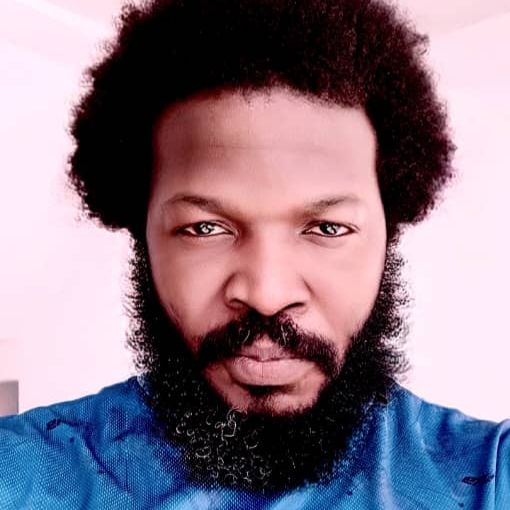
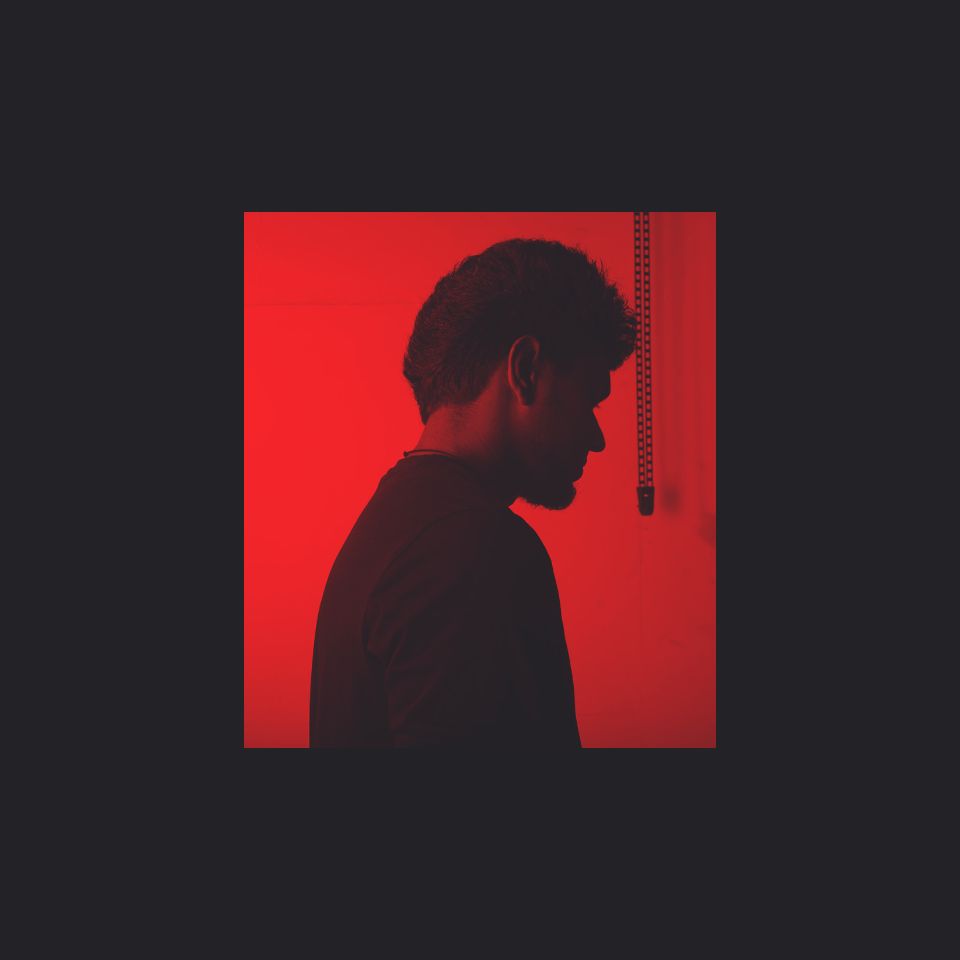
I am Richard Shekari, a multifaceted artist and humanitarian based in Abuja, Nigeria. Born on 11 April 1981 in Bauchi, my relationship with music began early in life, long before I fully understood how deeply it would shape my identity. What started as a simple involvement in church would eventually become the foundation of my artistic journey, guiding me through seasons of devotion, rebellion, discovery, and ultimately reconciliation between two very different musical worlds. My earliest musical training came in the early 1990s when I joined the church choir as a tenor. At that age, I did not see it as training or preparation for anything greater. I simply loved the atmosphere of music in the church—the way voices blended together, the way melodies could lift the entire congregation, and the sense that music could carry prayers when words alone seemed insufficient. Singing in the choir taught me discipline, harmony, and attentiveness. I learned how voices could complement each other and how structure in music could bring order and beauty to sound. More importantly, those years instilled in me a deep awareness that music had a spiritual dimension. It was not just performance; it was communication between the human heart and the divine. The choir also taught me humility. In a choir, the individual voice is never meant to dominate the whole. Each singer contributes to something larger than themselves. This understanding would stay with me for years, even during periods when my life seemed to move far away from those early lessons. The choir did more than teach me how to sing; it introduced me to music as service, as worship, and as a way of lifting others. However, as I entered my teenage years in the late 1990s, I went through a period of rebellion that many young people experience when trying to find their place in the world. Questions about faith, authority, identity, and purpose began to stir within me. That rebellion gradually pushed me away from the church environment where my musical journey had begun. In that space of questioning and emotional intensity, I found myself drawn to rap music. Rap provided something the choir had not given me at the time: a raw and direct outlet for personal expression. While the choir had taught me melody and harmony, rap introduced me to rhythm, wordplay, and storytelling. It was a world where emotions could be spoken boldly, where struggles and frustrations could be transformed into poetry over beats. I began experimenting with rhymes, writing lines, and crafting verses, often simply playing with language and sound. At first, it was just youthful exploration, but gradually I realised that writing itself was becoming a powerful tool for me. Through rap, I developed the writing skills that would later define much of my creative work. The discipline of fitting words into rhythm sharpened my awareness of syllables, timing, and lyrical structure. I learned how to compress ideas into powerful lines, how to create imagery with language, and how to tell stories that could capture a listener’s attention. Rap was not just music for me; it became a training ground for my voice as a writer. During that period, I released two underground rap albums. These projects were part of my attempt to fully explore that path and understand where it might lead. Though the albums circulated only within limited spaces, they represented an important stage of my artistic growth. They allowed me to experiment, to take risks, and to push the boundaries of my creativity. Yet, despite the excitement and freedom I felt in that world, my rap career was relatively short-lived. By around 2010, that chapter of my life had come to an end. Looking back today, I understand that those years were not a detour but an essential part of my development. At the time, the two paths—the church choir and rap music—seemed completely opposite. One was rooted in spiritual devotion and communal harmony, while the other thrived on individual ex