Rapid Synthesis: My KM Pipeline, keeps me mobile and learning!
CIMD and DCR: Decentralized Architectures for OAuth Registration
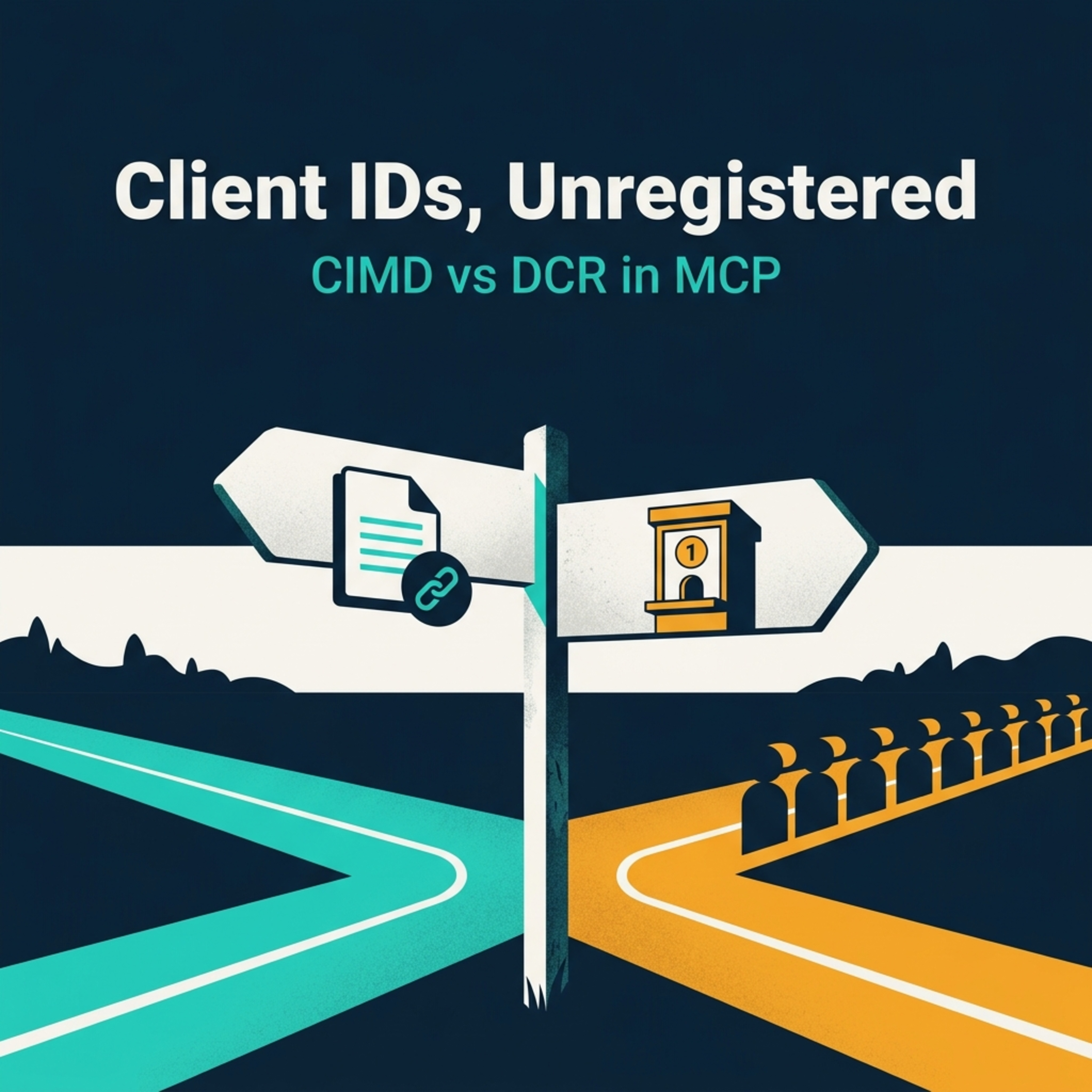
Outline the transition from Dynamic Client Registration (DCR) to OAuth Client ID Metadata Documents (CIMD) within decentralized AI architectures like the Model Context Protocol (MCP) . While DCR traditionally allows applications to register with a server at runtime, it creates significant operational burdens including database bloat and security vulnerabilities like phishing. In contrast, CIMD allows a client to use a stable HTTPS URL as its identifier, shifting the responsibility of hosting metadata to the client and enabling servers to stay stateless . This architectural shift enhances security and portability by anchoring application identity to verified domains rather than server-issued opaque strings. Currently, major identity providers and agent frameworks are adopting this model to facilitate more scalable, secure, and automated onboarding across diverse software ecosystems. Under modern MCP specifications , CIMD is now the preferred method for identification, relegating older registration protocols to backward compatibility roles.