Episode #17
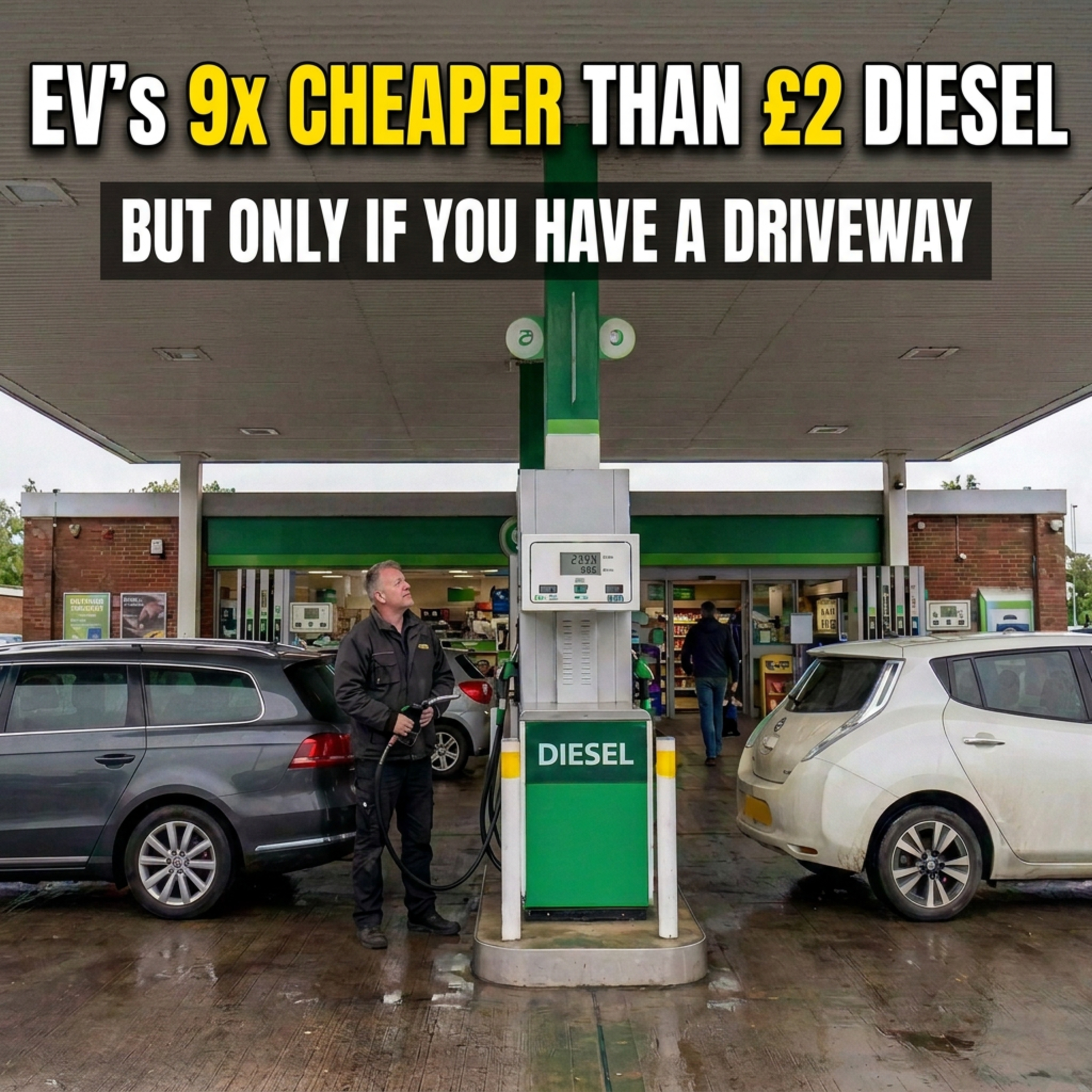
Diesel hits a record £2. Is an EV 9x cheaper now?
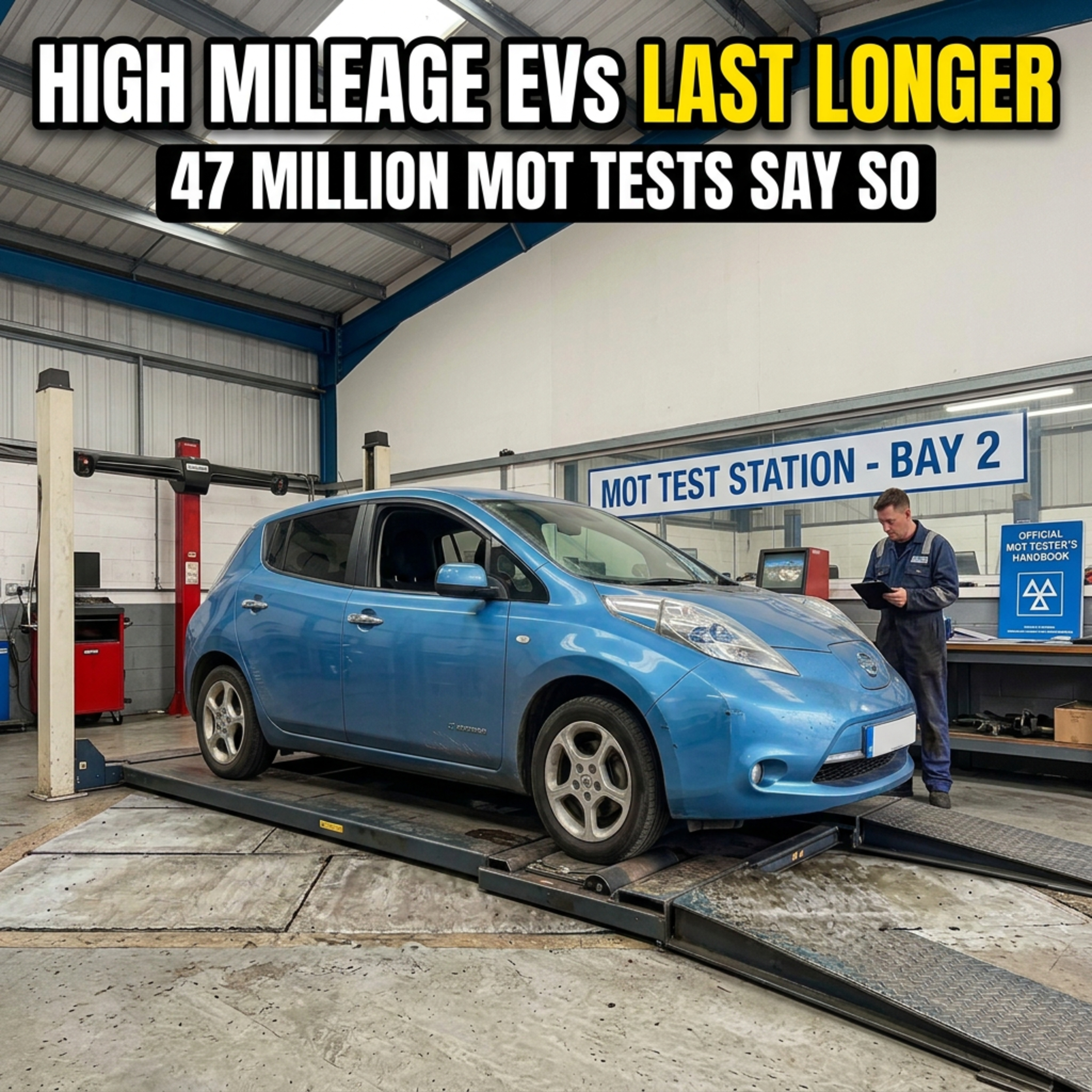
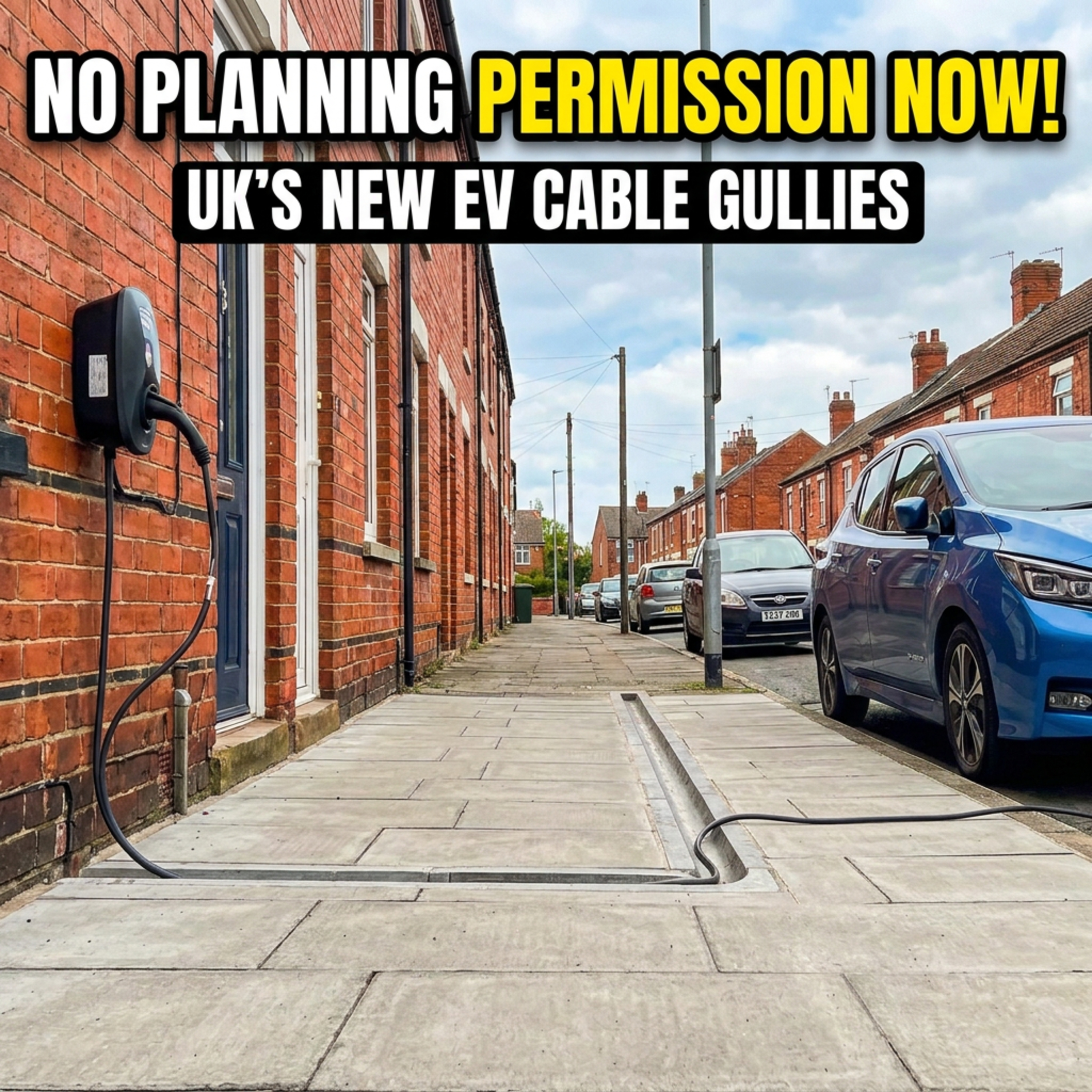
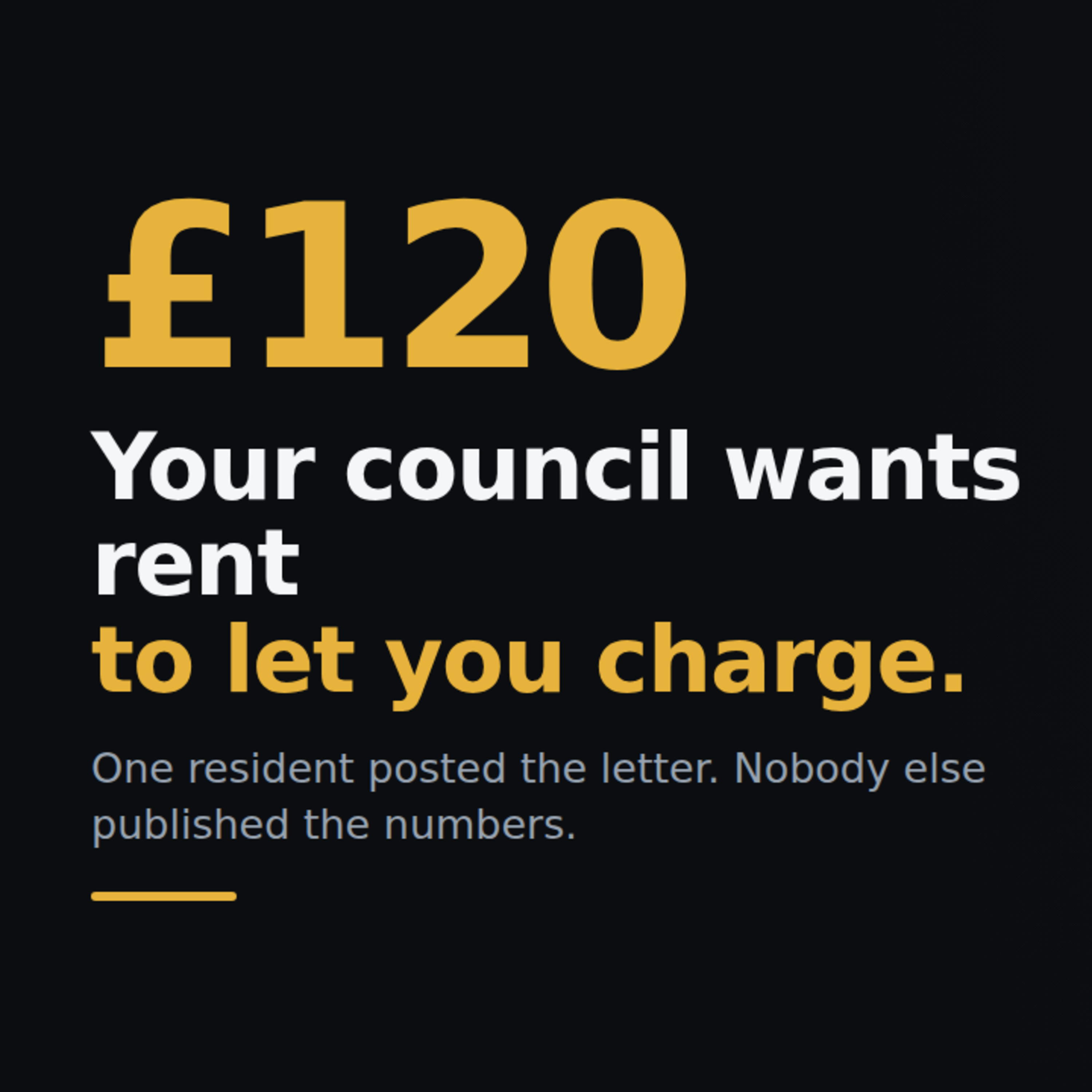
00:00:00 Diesel record & EV news, October 2026 00:03:53 Is an EV really 9x cheaper than diesel? 00:10:25 Is EV insurance more expensive in the UK? 00:14:39 Are hybrids more reliable than EVs? 00:21:33 Does 0% VAT apply to EV charging? 00:25:30 Is the UK building enough EV batteries? 00:28:00 Q&A - Should I switch from diesel to an EV now? 00:31:37 Subscribe & Join the Club Diesel has hit a UK record of £2 a litre. Is an electric car really nine times cheaper to run in 2026? Plus EV insurance, 0% VAT on home electricity, your MOT comments and the UK battery gap. DIESEL HITS A RECORD The RAC says diesel averaged 199.18p a litre on 28 September, up 40% since February. Carbon Brief puts an EV on off-peak home charging at 2.3p a mile, against 21p for diesel. On the standard price cap it's 7p. On public rapid chargers, Zapmap's August average works out at about 23p a mile — level with diesel. EV INSURANCE: THE GAP IS £46 MoneySuperMarket's Electric Car Insurance Index, published 1 October, puts the average EV premium at £556 against £510 for petrol and £536 for diesel. The Renault 5 is cheapest at £418; the Jaguar I-Pace dearest at £922. THE VERDICT: YOUR MOT COMMENTS A correction on hybrids from last week's 47.4 million MOT test study. Hybrids lead the overall table, but hold the car constant and the lead disappears: the electric Hyundai Ioniq beats the hybrid, the Kia Niro is a dead heat. Over 80,000 miles, the electric Hyundai Kona fails 13% of MOTs against 17.8% for the petrol. 0% VAT AT HOME, 20% IN PUBLIC From 1 October 2026 to 31 March 2027, domestic electricity in Great Britain carries no VAT. Public charging stays at 20%. The Budget is on 28 October. And the UK's green fuel credit scheme, the RTFO, pays out for hydrogen but not electricity — worth 2.5–8.5p a kWh to charge point operators in Europe, according to ChargeUK. £7BN FOR BRITISH BATTERIES New AutoMotive says £7bn is committed to UK battery making, but confirmed factories cover 56GWh of the 115GWh a year needed by 2035. Join the free Primetime EV Club: primetimeev.com/club