The story of our environment may well be the most important story this century. We focus on issues facing people and the planet. Leading environmentalists, organizations, activists, and conservationists discuss meaningful ways to create a better and more sustainable future. Participants include United Nations Sustainable Development Solutions Network, European Environment Agency, UNESCO World Heritage Centre, European Commission, EARTHDAY·ORG, Greenpeace, IPCC Lead Authors, WWF, PETA, Climate Analytics, NASA, UN Development Program, Solar Impulse Foundation, 15-Minute City Movement, Energy Watch Group, Peter Singer, 350.org, UNESCO Mahatma Gandhi Institute of Education for Peace and Sustainable Development, Citizens’ Climate Lobby, Global Witness, Global Institute for Water Security, EarthLife Africa, Planetary Health Alliance, Ocean Protection Council, among others. Interviews are conducted by artist, activist, and educator Mia Funk with the participation of students and universities around the world. One Planet Podcast Is part of The Creative Process’ environmental initiative.
Pitch Analysis
Required Pod Score for this show. PitchCentric checks your profile against host openness, topical fit, and audience signals before you generate a pitch.
Contact path
Verified email
Booking probability
37%
Guest openness
Selective
Verified email on file
86/100
Required Score
Sign up to generate a grounded pitch for One Planet Podcast · Climate Change, Politics, Sustainability, Environmental Solutions, Renewable Energy, Activism, Biodiversity, Carbon Footprint, Wildlife, Regenerative Agriculture, Circular Economy, Extinction, Net-Zero.
What is One Planet Podcast · Climate Change, Politics, Sustainability, Environmental Solutions, Renewable Energy, Activism, Biodiversity, Carbon Footprint, Wildlife, Regenerative Agriculture, Circular Economy, Extinction, Net-Zero?
One Planet Podcast · Climate Change, Politics, Sustainability, Environmental Solutions, Renewable Energy, Activism, Biodiversity, Carbon Footprint, Wildlife, Regenerative Agriculture, Circular Economy, Extinction, Net-Zero is a science podcast hosted by Unknown Host, with 300 episodes on record and a Required Pod Score of 86.
About the host
Unknown Host hosts One Planet Podcast · Climate Change, Politics, Sustainability, Environmental Solutions, Renewable Energy, Activism, Biodiversity, Carbon Footprint, Wildlife, Regenerative Agriculture, Circular Economy, Extinction, Net-Zero, a science show with 300 episodes published.
Our AI reads these to draft pitches. Use them as grounding for a pitch that cites a real guest and a specific topic.
Episode #1269
Navigating Collective Care, Heat Waves: Bioacoustics, Ecology & Human Synchronicity w/ LINCOLN CENTER’S SHANTA THAKE
Aug 19, 202619 minS17
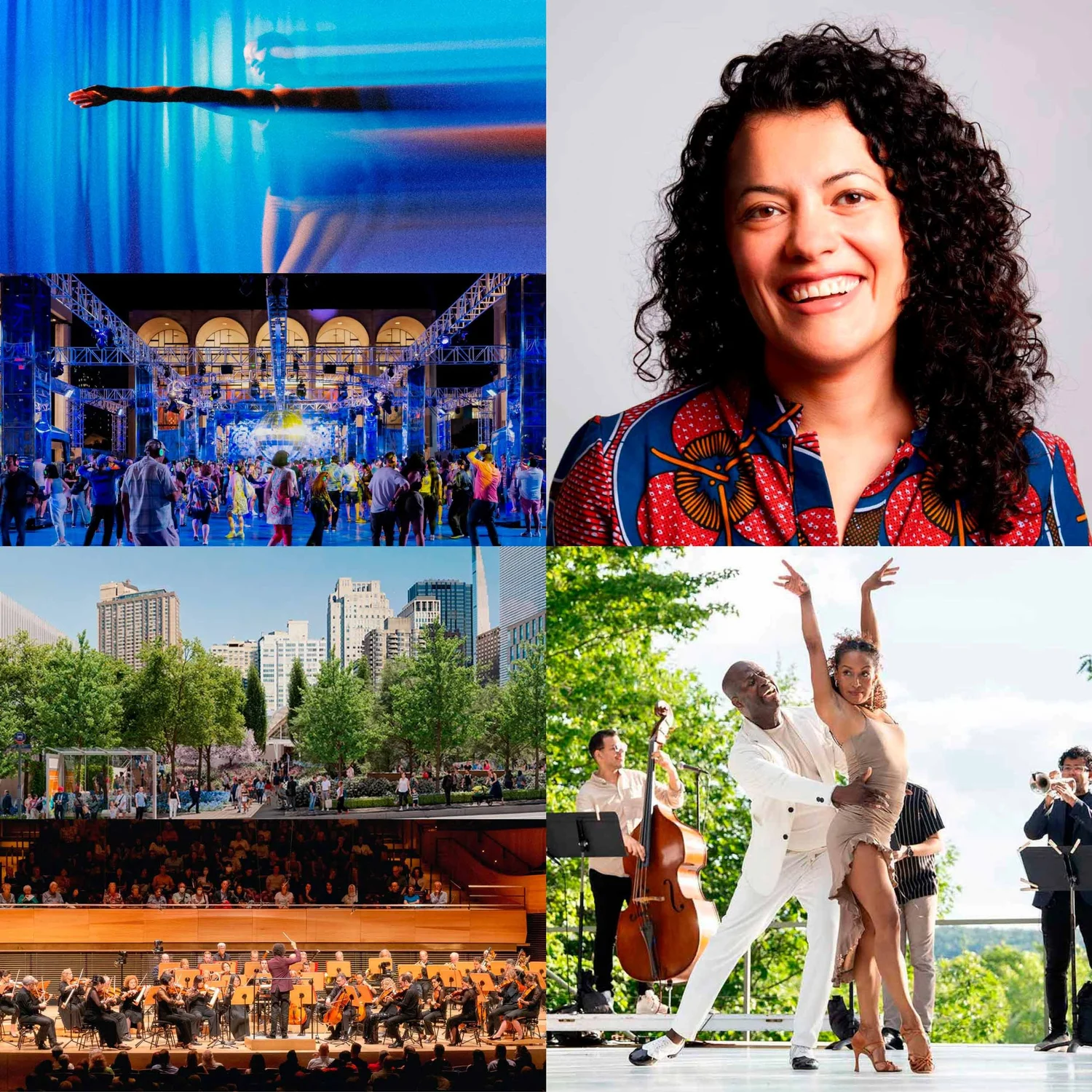
"I really do believe that the arts are critical to how we move forward together, and live performance in particular, I think, is a way of us practicing how to move across our ideological boundaries and find one another and imagine these new worlds together and create together." Shanta Thake is the Chief Artistic Officer at Lincoln Center for the Performing Arts —the nation's largest performing arts complex. Before stepping into this role, she spent nineteen years at The Public Theater, shaping the city's cultural landscape through Joe's Pub and expansive community initiatives. Today, she is tearing down walls—both the literal barriers separating Lincoln Center from its neighbors, and the figurative ones that dictate who belongs in our cultural spaces. She views the arts not as a luxury, but as essential civic infrastructure. We are pleased to have Shanta Thake to discuss her journey, the power of radical curation, and the future of public performance. (01:30) The Gift of Pause (04:19) Art as the Oldest Technology (07:12) Reimagining Lincoln Center (09:35) A Collective Caretaking (10:13) The Curiosity of Childhood (15:19) San Juan Hill and The Wall (17:57) globalFEST: Music and Connection Episode Website www.creativeprocess.info/pod Instagram: @creativeprocesspodcast
Ecological Empathy, Time & Memory with GEORGI GOSPODINOV & ANGELA RODEL
Jul 30, 20261h 30mS11
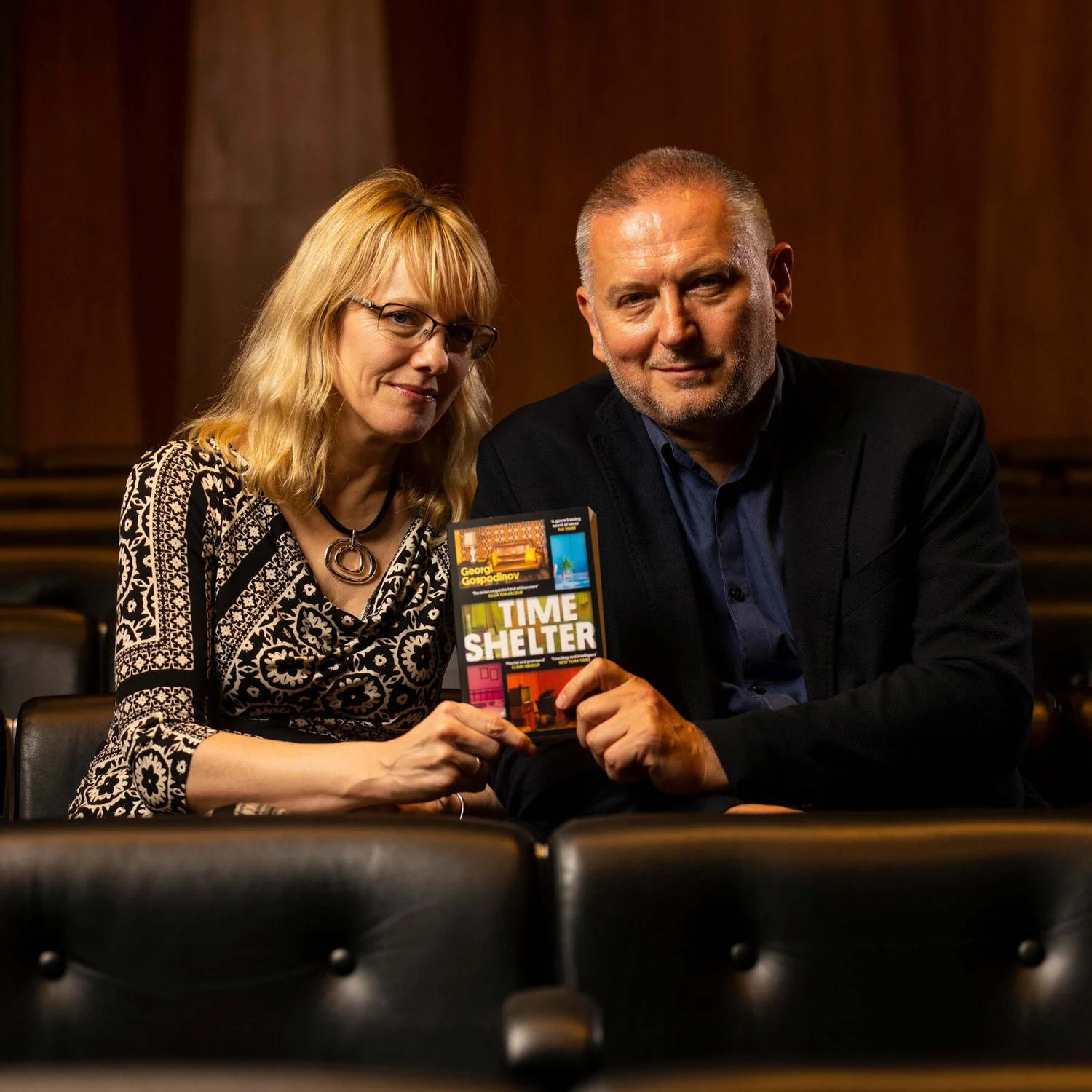
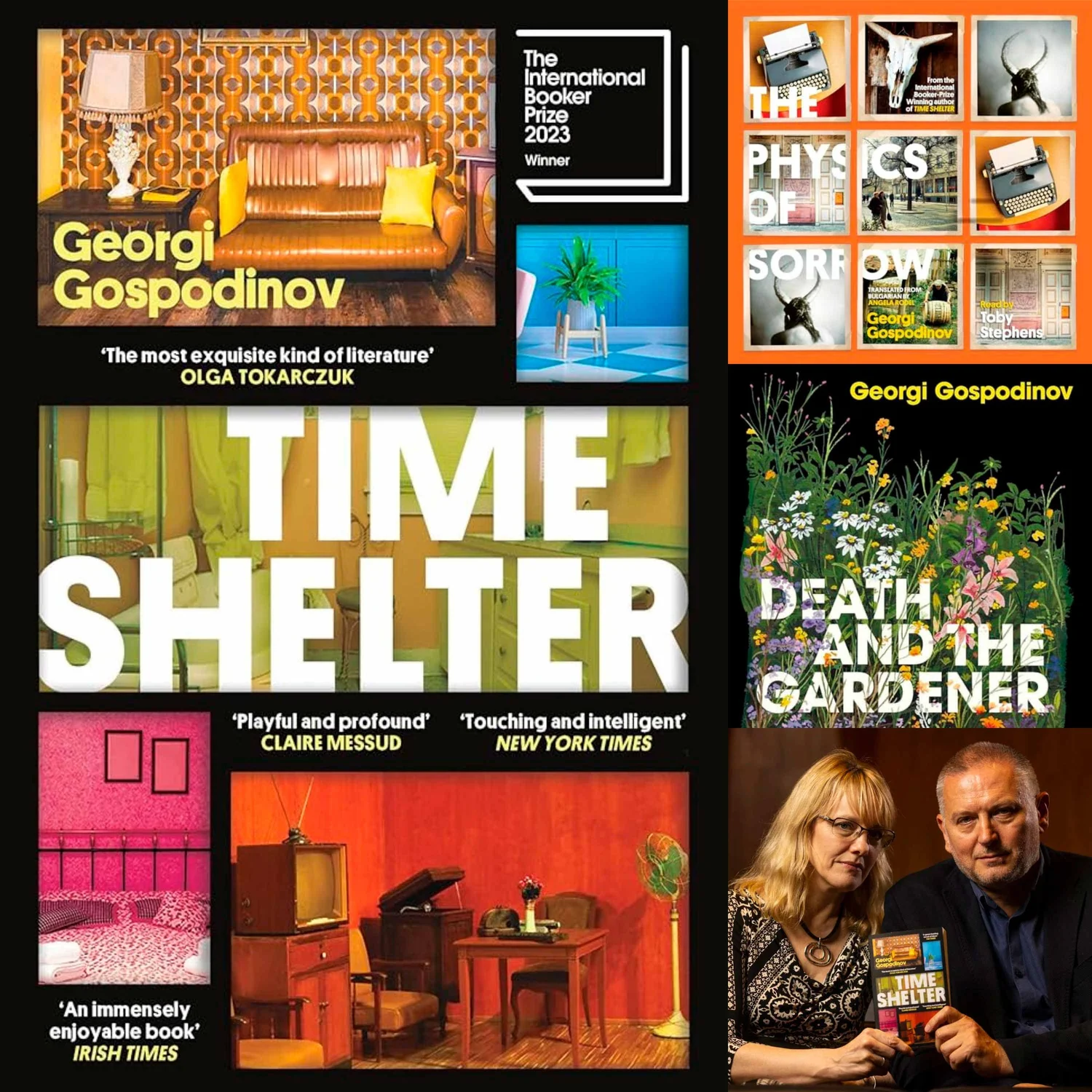
“We are in the middle of a labyrinth which suggests to us many fake corridors. What's the superpower of literature? Literature is like an antidote against propaganda. Propaganda explains the world easily in a two-dimensional way. Literature gives you a more complex explanation. Literature tells personal stories.” Today, we have a conversation about time, memory, and the bittersweet geography of human sorrow. Georgi Gospodinov is widely considered one of the most daring voices in contemporary European literature. His acclaimed novel, The Physics of Sorrow , won the prestigious Jan Michalski Prize in 2016 , blending ancient myth and quantum physics to chronicle the delicate realities of post-socialist Eastern Europe. Joining him is Angela Rodel , a brilliant linguist, musician, and translator whose profound artistic empathy carries the flowing cadences of the Bulgarian language into vivid English. Together, this extraordinary creative duo made history by winning the 2023 International Booker Prize for Time Shelter —the first book written in Bulgarian to ever receive the honor. Time Shelter is a masterfully dark, funny, and prescient novel. It begins with an enigmatic psychiatrist opening a clinic that treats Alzheimer’s patients by meticulously recreating past decades to match their internal clocks. But the experiment quickly escapes the clinic walls, triggering a pan-European crisis where entire nations hold democratic referendums to choose which era of the past they will retreat into. It is a book that holds up a mirror to our own world, exploring what happens when a civilization faces a deficit of meaning and tries to weaponize nostalgia. (0:00) The Trap of Nostalgia (2:13) The Art of Translation (5:44) The Pandemic of the Past (11:30) Reading from ‘Time Shelter’ (14:28) Death and the Gardener (19:34) The Translator's Calling (26:05) Cultural Rhythms of the Bulgarian Language (30:00) The Nonlinear Approach to Storytelling (34:30) Separating Personal and Historical Pasts (42:55) Storytelling vs Propaganda (47:19) Bodies, Animals and the Loneliness of the Minotaur (56:00) Reading ' Eight Minutes and 19 Seconds’ (1:00:28) What makes a good life? What has given your life meaning? (1:04:18) Childhood, Memory and Imagination (1:10:38) Reflections on God and the Stories His Grandmother Told Him (1:17:20) Education and the Empathic Imagination (1:23:25) The Museum of Memory (1:26:15) The Importance of Hugging and Empathy (1:28:02) AI and the Future of Humanity Episode Website www.creativep rocess.info/pod Instagram: @creativeprocesspodcast
Literature, The Lives of Animals & the Future of Humanity w/ G. GOSPODINOV & A. RODEL - Highlights
Jul 29, 202626 minS11
Today, we have a conversation about time, memory, and the bittersweet geography of human sorrow. Georgi Gospodinov is widely considered one of the most daring voices in contemporary European literature. His acclaimed novel, The Physics of Sorrow , won the prestigious Jan Michalski Prize in 2016 , blending ancient myth and quantum physics to chronicle the delicate realities of post-socialist Eastern Europe. Joining him is Angela Rodel , a brilliant linguist, musician, and translator whose profound artistic empathy carries the flowing cadences of the Bulgarian language into vivid English. Together, this extraordinary creative duo made history by winning the 2023 International Booker Prize for Time Shelter —the first book written in Bulgarian to ever receive the honor. Time Shelter is a masterfully dark, funny, and prescient novel. It begins with an enigmatic psychiatrist opening a clinic that treats Alzheimer’s patients by meticulously recreating past decades to match their internal clocks. But the experiment quickly escapes the clinic walls, triggering a pan-European crisis where entire nations hold democratic referendums to choose which era of the past they will retreat into. It is a book that holds up a mirror to our own world, exploring what happens when a civilization faces a deficit of meaning and tries to weaponize nostalgia. (0:00) The Trap of Nostalgia (1:22) The Nonlinear Approach to Storytelling (3:53) Translating the Atmosphere (4:31) The Pandemic of the Past (6:37) Death and the Gardener (9:49) The Translators Calling (11:00) Slowing Down Time (13:14) Storytelling vs Propaganda (15:54) Translating the Atmosphere (18:19) What makes a good life? What has given your life meaning? (20:56) Reflections on God and the Stories His Grandmother Told Him (23:43) The Importance of Hugging, Empathy and Storytelling Episode Website www.creativep rocess.info/pod Instagram: @creativeprocesspodcast
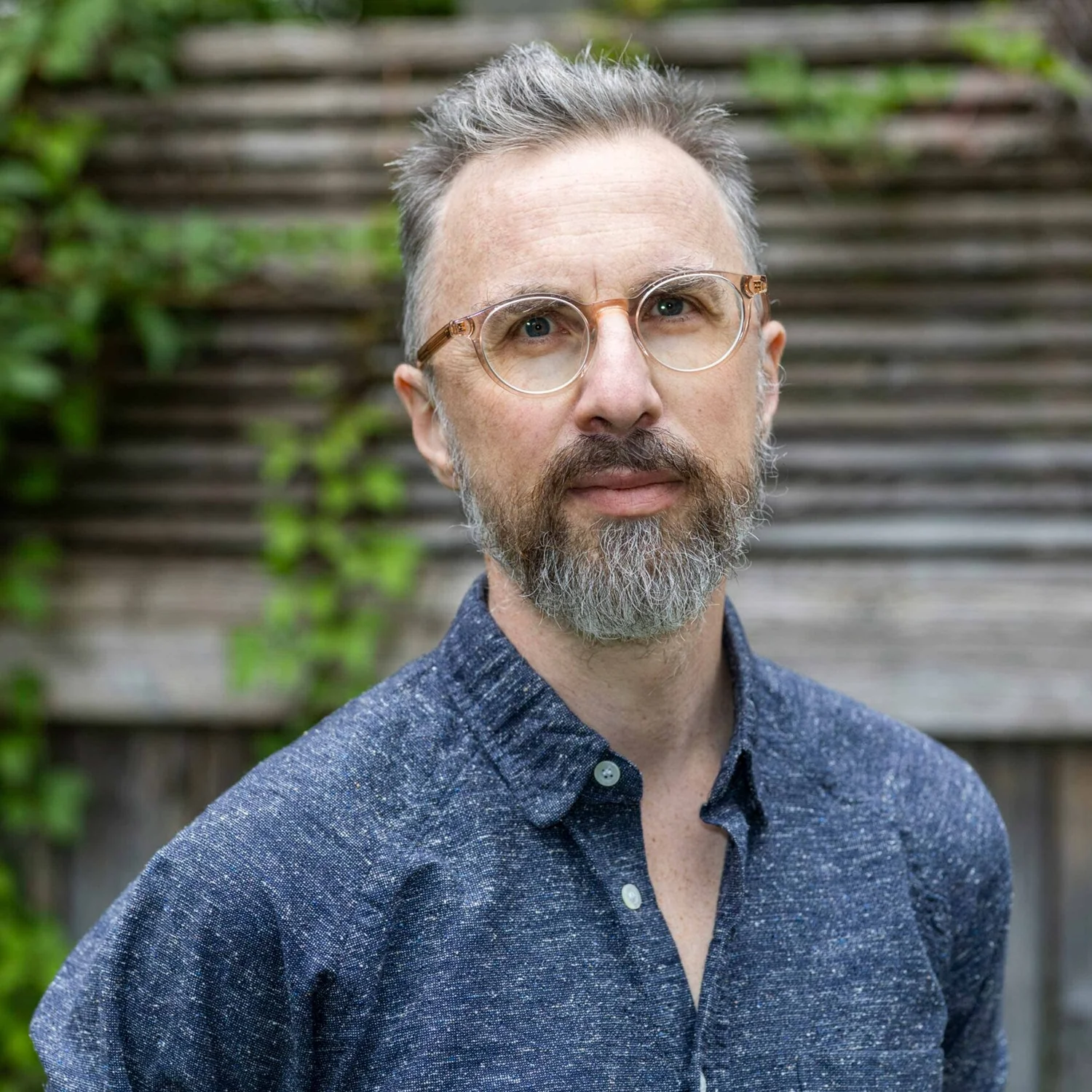
How Animals Are Adapting to Cities & Reshaping the Natural World w/ Author & Epidemiologist DAN WERB
Jul 10, 2026—S11
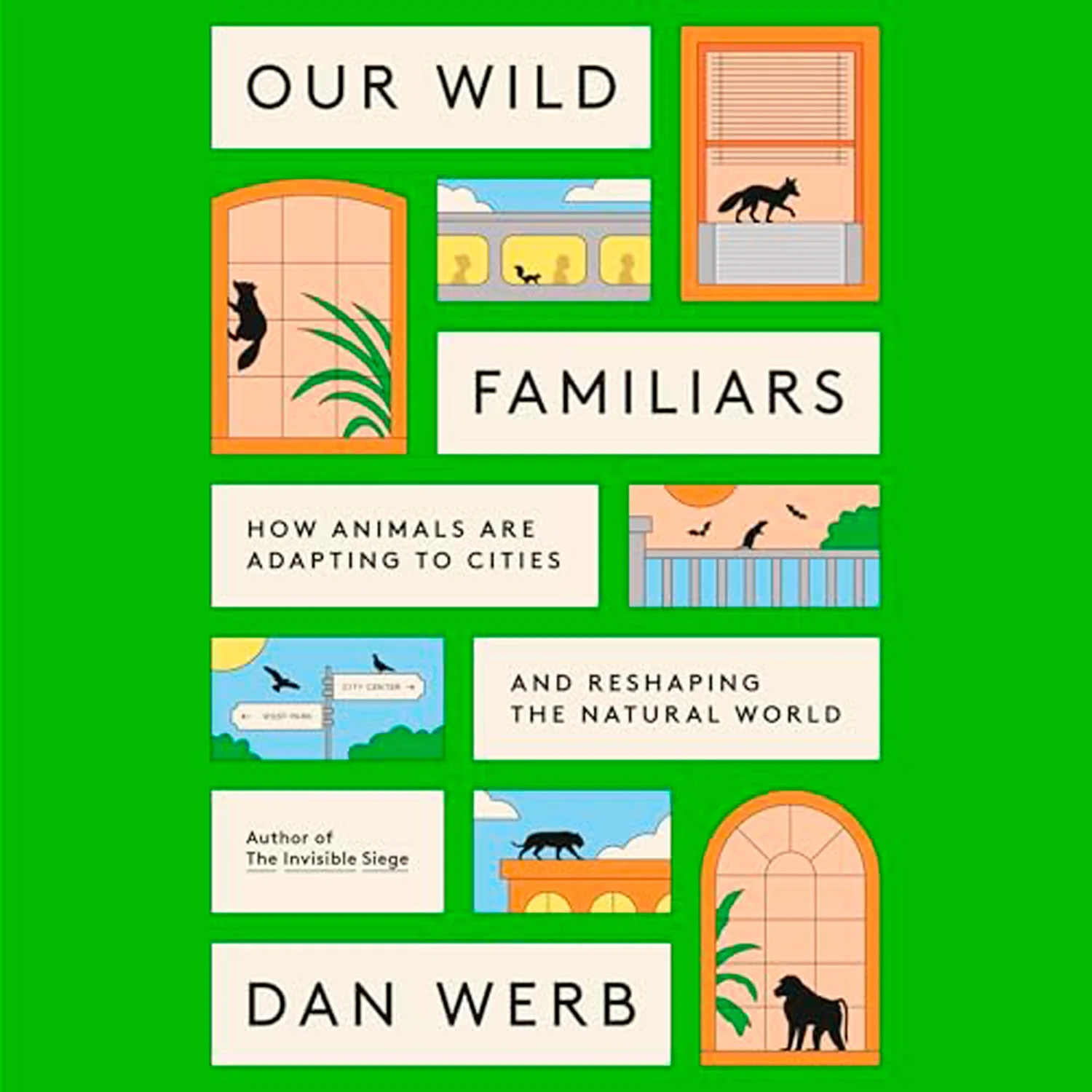
"So synanthropes are animals that have adapted to human-modified environments, and the Greek translation essentially is together with humans, so synanthrope. And they're a fascinating subset of wild animals that they're all around us, but we don't really notice them. And so in this new book, I was excited about writing something that had to do with the natural world. I was excited about writing something that touched on climate change. These are not just insects and earthworms and things like that. These are very large predators that have nevertheless found a way to survive among us. And that in and of itself I think is just an amazing story and what I explore in this book." If you live in a city, you’ve probably had that moment in the middle of the night. You hear a scratching in the walls, or you catch the glowing eyes of a raccoon peering out from a dumpster, and for a second, the concrete world feels a lot less 'controlled' than we like to pretend. We’ve been taught to think of cities as 'biological deserts'—places where nature goes to die. But my guest today, Dan Werb, says that’s a myth we tell ourselves to feel safe. Dan is an award-winning epidemiologist and a musician, and in his new book, Our Wild Familiars , he explores the 'synanthropes'—the wild creatures that aren't our pets, but aren't quite strangers either. They are the coyotes, the bats, and even the octopuses that are learning to use our cities as laboratories for their own rapid evolution. He’s also the author of The Invisible Siege and City of Omens . (0:02) The unexpected biodiversity of urban areas and wild familiars (2:32) Defining synanthropes and the myth of the biological desert (6:04) Why cities are becoming magnets for wildlife and natural biodiversity (14:32) How our discarded garbage acts as a reliable nutrition source (18:01) The raccoon city and highly adaptable urban mesopredators (21:49) Redesigning cities as crucial sites for wildlife conservation and containerisation (26:31) The impact of highways on mountain lion migration in Los Angeles (31:03) The ancestral spiritual bond between early humans, ravens, and foxes (38:24) Facial recognition, grudges, and the intense intelligence of urban crows (42:40) Discovering giant Pacific octopuses living in discarded garbage near Seattle (49:04) How translucent boardwalks helped save baby salmon afraid of the dark (52:42) Building green corridors and ecological stepping stones in the concrete (1:01:07) Cultural shifts in pods of orcas sinking boats off the Iberian coast (1:05:23) Social epidemiology, vulnerable populations, and insights from City of Omens (1:08:29) The epidemiological triangle and the environmental causes of novel viruses (1:16:08) The rhythm shift required to observe wild animals in urban spaces (1:25:26) Why we need more cosmological humility when studying animal biology (1:31:06) The illusion of AI connection and why engaging with nature expands the mind (1:34:46) Memories, Laughter, and Animal Connection Episode Website www.creativeprocess.info/pod Instagram: @creativeprocesspodcast
Our Wild Familiars - DR. DAN WERB on Animals that Live Among Us & Urban Wildlife Conservation - Highlights
Jul 3, 202624 minS11
If you live in a city, you’ve probably had that moment in the middle of the night. You hear a scratching in the walls, or you catch the glowing eyes of a raccoon peering out from a dumpster, and for a second, the concrete world feels a lot less 'controlled' than we like to pretend. We’ve been taught to think of cities as 'biological deserts'—places where nature goes to die. But my guest today, Dan Werb, says that’s a myth we tell ourselves to feel safe. Dan is an award-winning epidemiologist and a musician, and in his new book, Our Wild Familiars , he explores the 'synanthropes'—the wild creatures that aren't our pets, but aren't quite strangers either. They are the coyotes, the bats, and even the octopuses that are learning to use our cities as laboratories for their own rapid evolution. He’s also the author of The Invisible Siege and City of Omens . (0:02) The unexpected biodiversity of urban areas and wild familiars (1:18) What is a Synanthrope? (4:15) The Myth of the Biological Desert (8:04) The Ancestral Bond between early humans, ravens, and foxes (9:15) Crows and Grudges (12:42) Stepping Stones in the Concrete (14:20) The Epidemiological Triangle (17:58) The Illusion of AI Connection (19:56) The Museum of Memory Episode Website www.creativeprocess.info/pod Instagram: @creativeprocesspodcast
Recent guests on One Planet Podcast · Climate Change, Politics, Sustainability, Environmental Solutions, Renewable Energy, Activism, Biodiversity, Carbon Footprint, Wildlife, Regenerative Agriculture, Circular Economy, Extinction, Net-Zero. Study who booked and why before you pitch.
Every question we get asked before someone starts their trial.
If you have a concern about deliverability, AI quality, data privacy, or whether this will actually work for your specific situation, it's probably answered below.
What is the difference between Founder Solo and Founder Pro?
Founder Solo gives you 50 AI pitches per month using the credit model (Standard pitches cost 1 credit, Enriched pitches cost 2). Founder Pro raises that to 200 credits per month and adds full Booking Probability access, unlimited Magic Match, Apollo enrichment credits, and data export capabilities. Both plans use the same credit system, so you can stretch your monthly budget further by using Standard-mode drafting.
How do agency tiers work?
Agency tiers have no base fee. You pay per managed client and per talent profile. Agency Standard is $199 per client per month; Agency Pro is $399 per client per month. Both add $39 per talent profile per month. Your own team's user seats are always free.
What is a talent profile?
A talent profile represents one person (founder, executive, or spokesperson) you are booking onto podcasts. It includes their bio, topics, headshots, and outreach history. Team plans include 5 profiles; agency plans are pay-as-you-go.
Can I switch plans later?
Yes, at any time. Upgrades take effect immediately; downgrades apply at the end of the current billing period. Contact support if you need help migrating between plan families.
Do you offer a free trial?
Every paid plan includes a 15-day free trial. Your card is saved at signup but you will not be charged until day 16. Cancel any time from your dashboard.
What happens if I cancel?
You keep access until the end of your current billing period. No charges after that. Your data is retained for 30 days in case you reactivate.
Is the 20% annual discount automatic?
Yes. Select Annual on the pricing toggle and the discounted price is applied automatically at checkout. The annual price shown is the full year cost.
What if I have more than 50 profiles or 20 clients?
That is our Enterprise tier. Contact our sales team and we will build a custom plan with volume pricing, a dedicated account manager, and SLA guarantees.