Feb 9, 20261h 12mS1
Gauss famously described mathematics as the queen of the sciences. But how should we think of this discipline? Is it an aloof ruler, mysteriously governing the laws of nature? A vital tool for bettering our lot? Or a...


science
Hosted by James Robinson · science · EN
Coffee table conversations with people thinking about foundational issues. Multiverses explores the limits of knowledge and technology. Does quantum mechanics tell us that our world is one of many? Will AI make us intellectually lazy, or expand our cognitive range? Is time a thing in itself or a measure of change? Join James Robinson as he tries to find out.
Required Pod Score for this podcast. PitchCentric checks your profile against host openness, topical fit, and audience signals before you generate a pitch.
Contact path
Verified email
Booking probability
22%
Guest openness
Selective
Sign up to generate a grounded pitch for MULTIVERSES.
Signup to Generate a PitchCoffee table conversations with people thinking about foundational issues. Multiverses explores the limits of knowledge and technology. Does quantum mechanics tell us that our world is one of many? Will AI make us intellectually lazy, or expand our cognitive range? Is time a thing in itself or a measure of change? Join James Robinson as he tries to find out.
MULTIVERSES is hosted by James Robinson. The show has published 41 episodes to date.
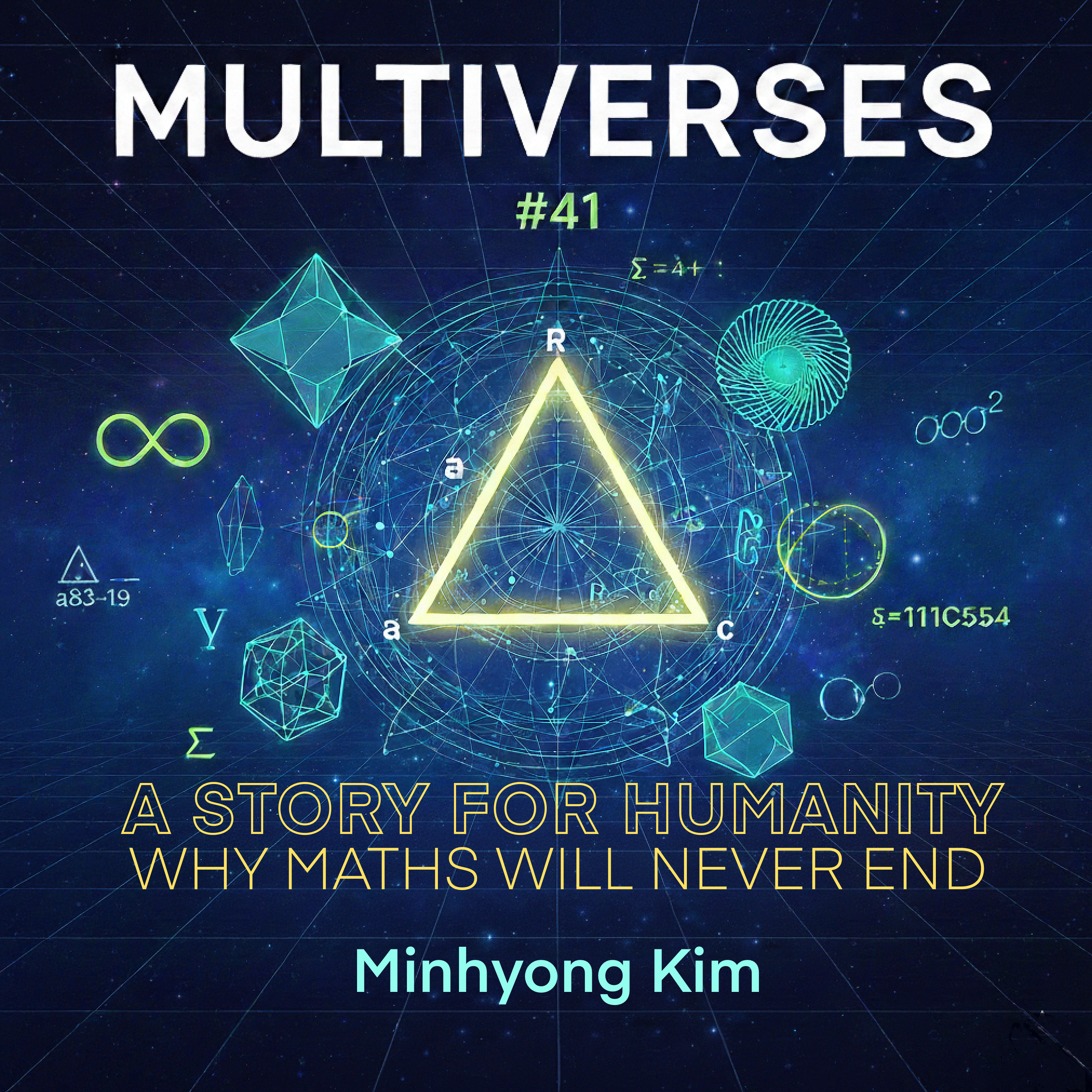
Recent episodes include "A Story For Humanity, Minhyong Kim on Why Maths Will Never End" (9 February 2026, 72 minutes), "Molecules & Mirrors, Vanessa Seifert on the Philosophy of Chemistry" (5 December 2025, 70 minutes), and "Consciousness is not Computation, Christof Koch" (2 May 2025, 63 minutes).
MULTIVERSES publishes roughly monthly, with episodes averaging 85 minutes across 41 episodes.
Booking probability for MULTIVERSES is 22%, and the host is rated Selective on guests. MULTIVERSES requires a Pod Score of 80 or higher. MULTIVERSES's contact route on record: verified email.
James Robinson hosts MULTIVERSES, a science podcast with 41 episodes published.
Our AI reads these to draft pitches. Use them as grounding for a pitch that cites a real guest and a specific topic.
Gauss famously described mathematics as the queen of the sciences. But how should we think of this discipline? Is it an aloof ruler, mysteriously governing the laws of nature? A vital tool for bettering our lot? Or a...

Why do molecules have a "handedness" when the physics that determines their structure does not?* This is a question emblematic of the philosophy of chemistry; at times, it has been used to argue that...

Christof Koch is a pioneering neuroscientist and one of the most prominent advocates of a scientific approach to consciousness. He has spent decades working at the intersection of neuroscience, philosophy, and...
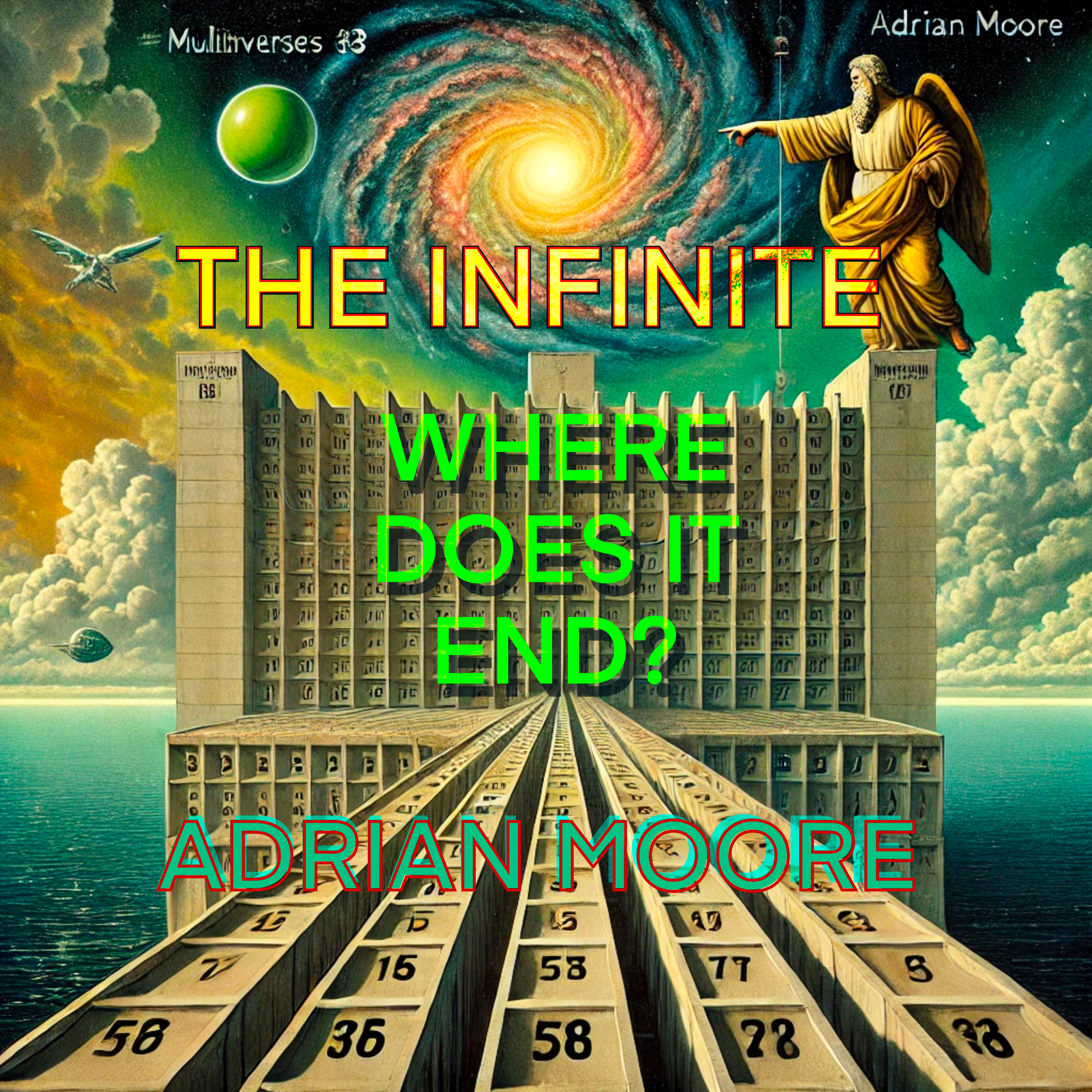
Infinity may seem simple, just the absence of limits. But the closer we examine it, the more it unravels into paradox and mystery. Can some infinities be larger than others? How can an infinite hotel be fully booked yet...
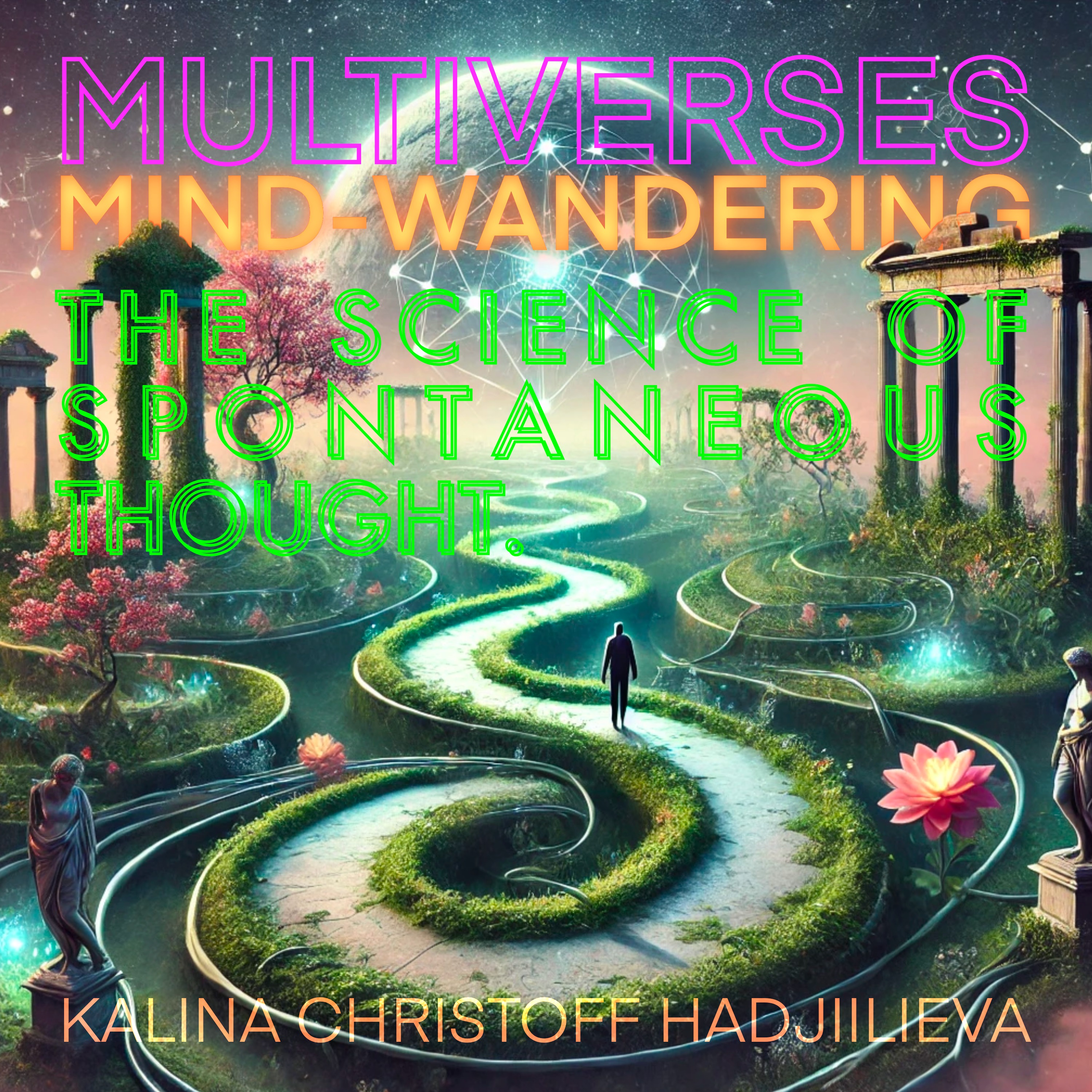
Mind-wandering is often dismissed as a distraction, an idle drift away from productive thought. But what if this spontaneous movement of the mind is not just a quirk of cognition but a fundamental feature of how we...
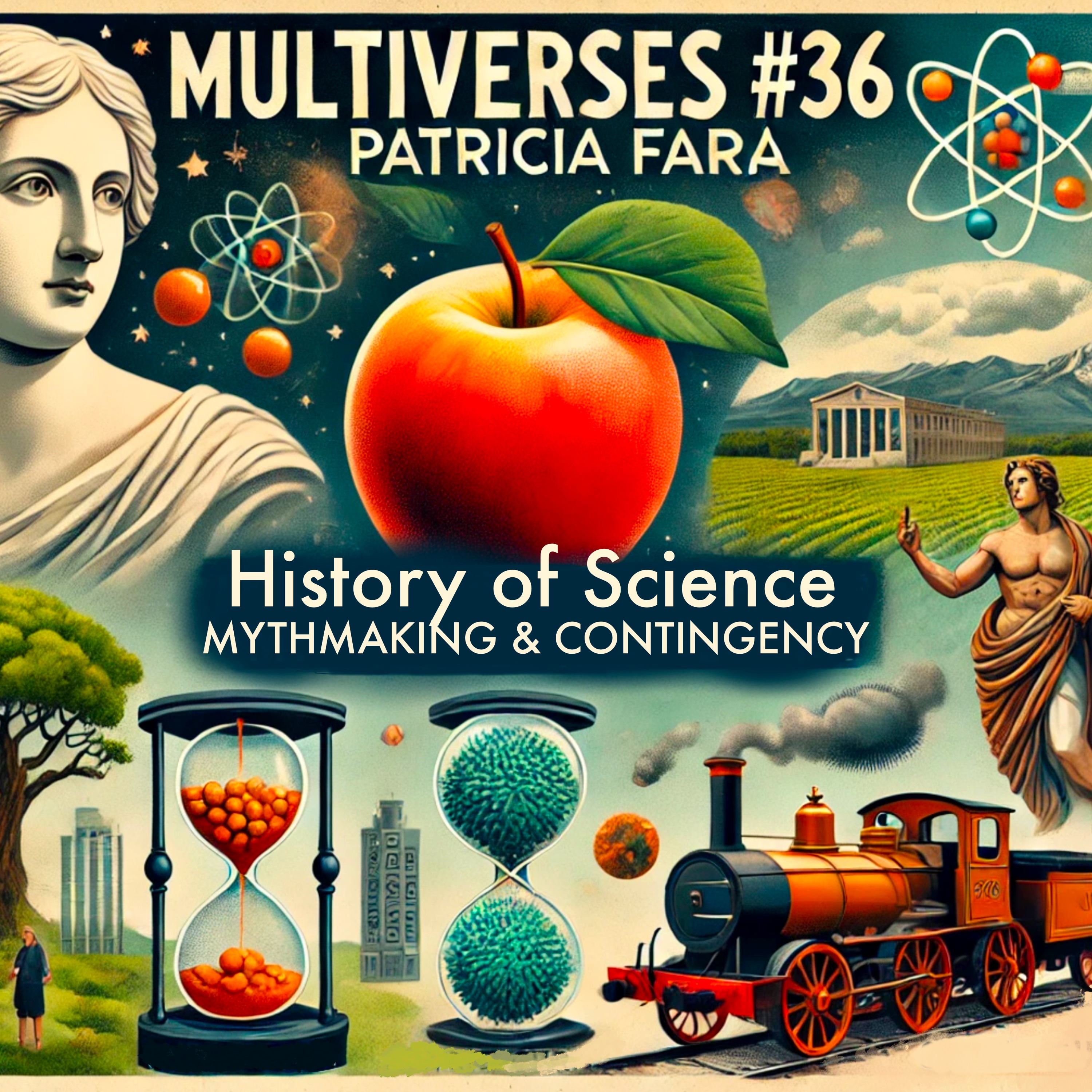
Scientific discoveries can often be codified in simple laws, neatly stated in textbooks with directions on applying them. But the enterprise of science is embedded in society. It depends on individuals and economies. It...
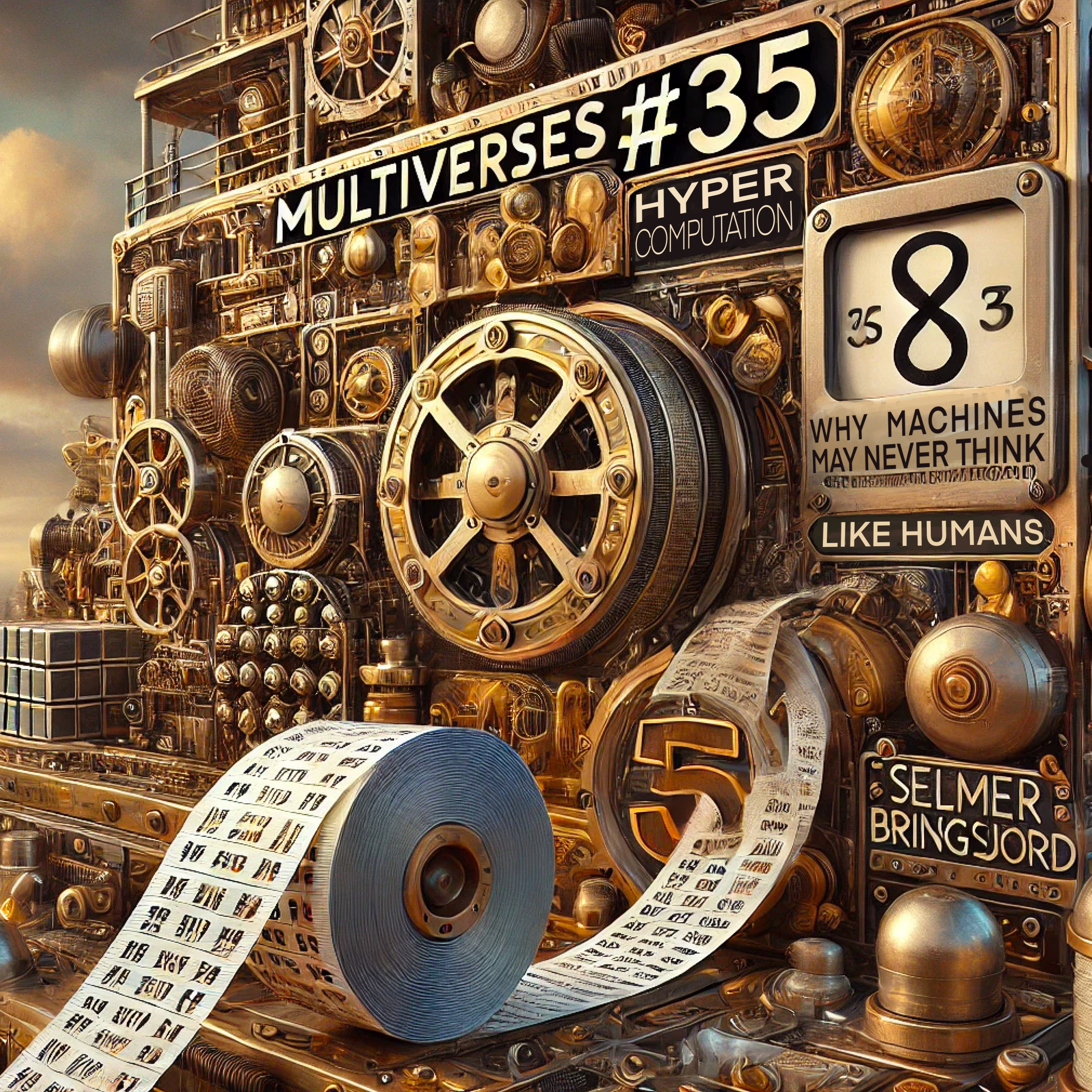
AI can do many things equally well as humans: such as writing plausible prose or answering exam questions. In certain domains, AI goes far beyond human capabilities — playing chess for instance. We might expect that...
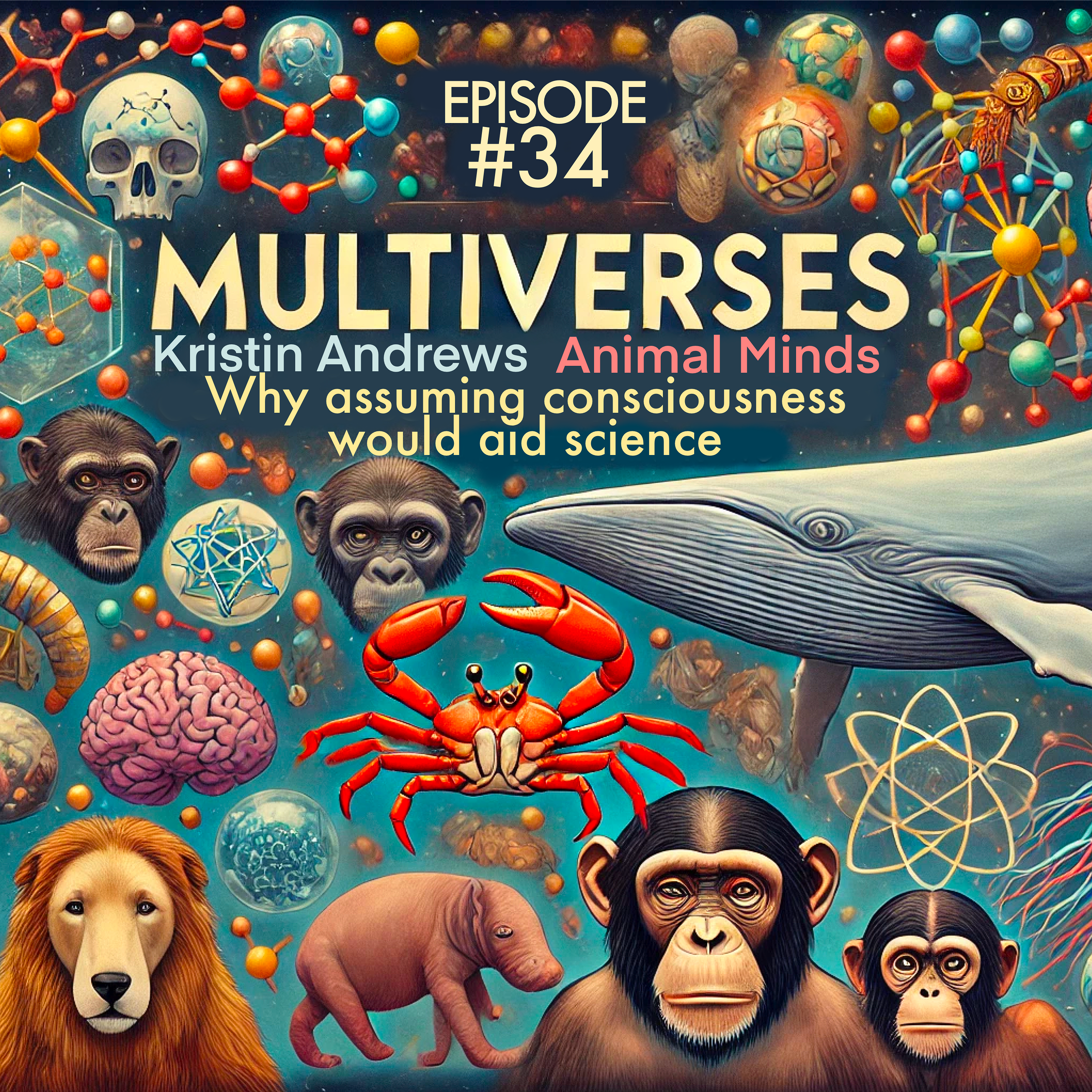
There is no consensus on what minds are, but there is plenty of agreement on where they can be found: in humans. Yet human consciousness may account for only a small proportion of the consciousness on our planet.  ...
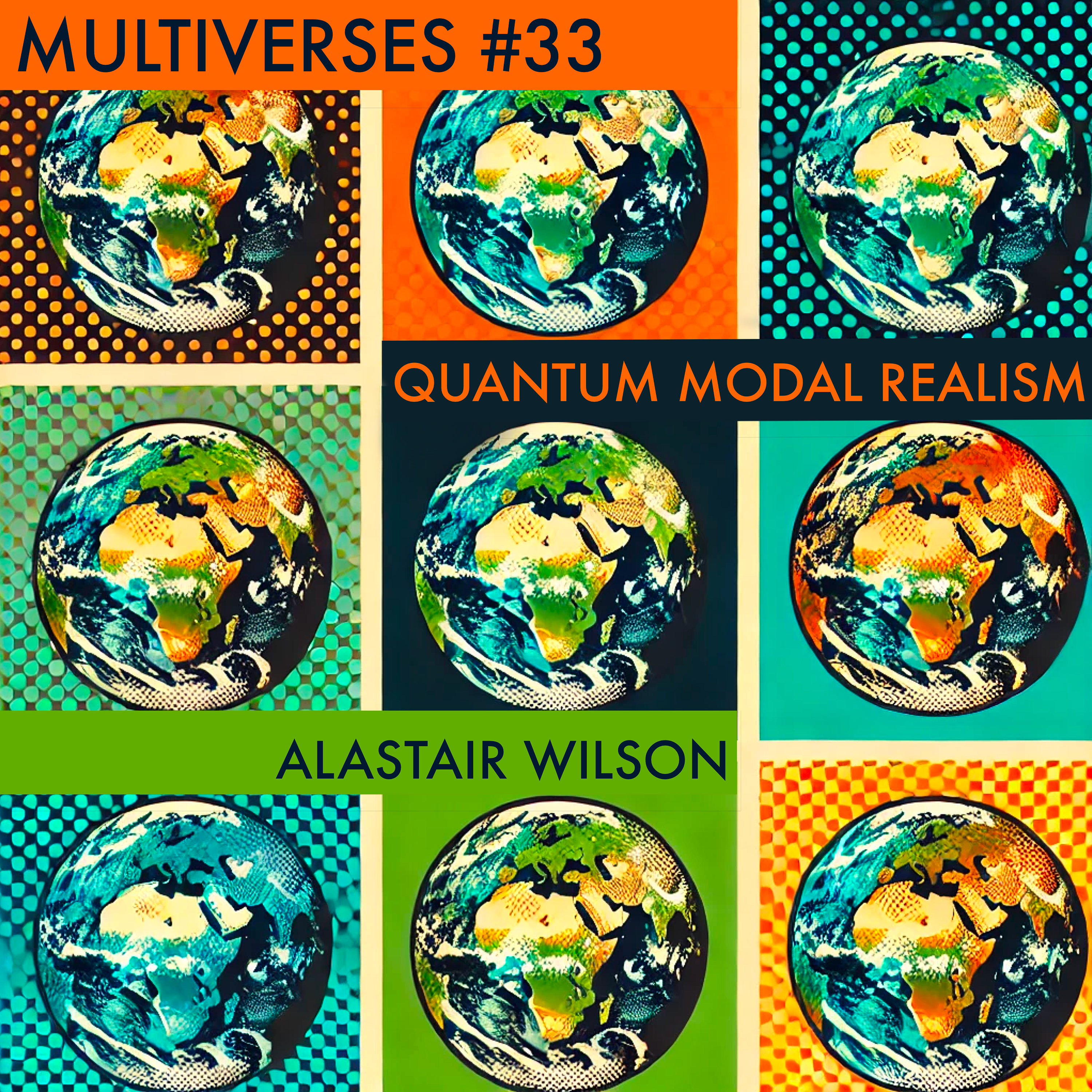
Things happen. Or they don’t. How then should we make sense of claims that something might happen? If all these claims do is express doubt, then the puzzle can be easily resolved. But if the claims capture some...
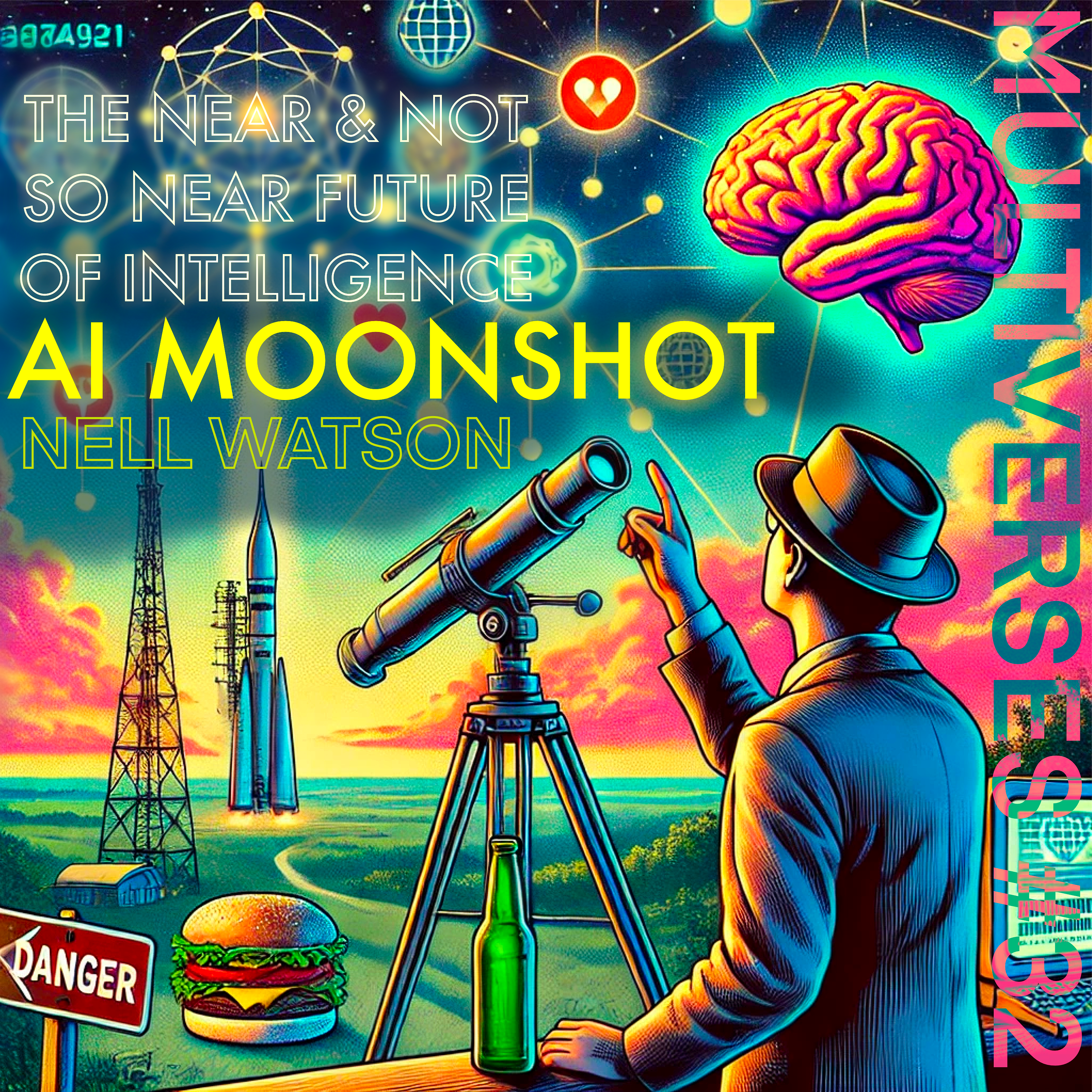
The launch of ChatGPT was a "Sputnik moment". In making tangible decades of progress it shot AI to the fore of public consciousness. This attention is accelerating AI development as dollars are poured into scaling...
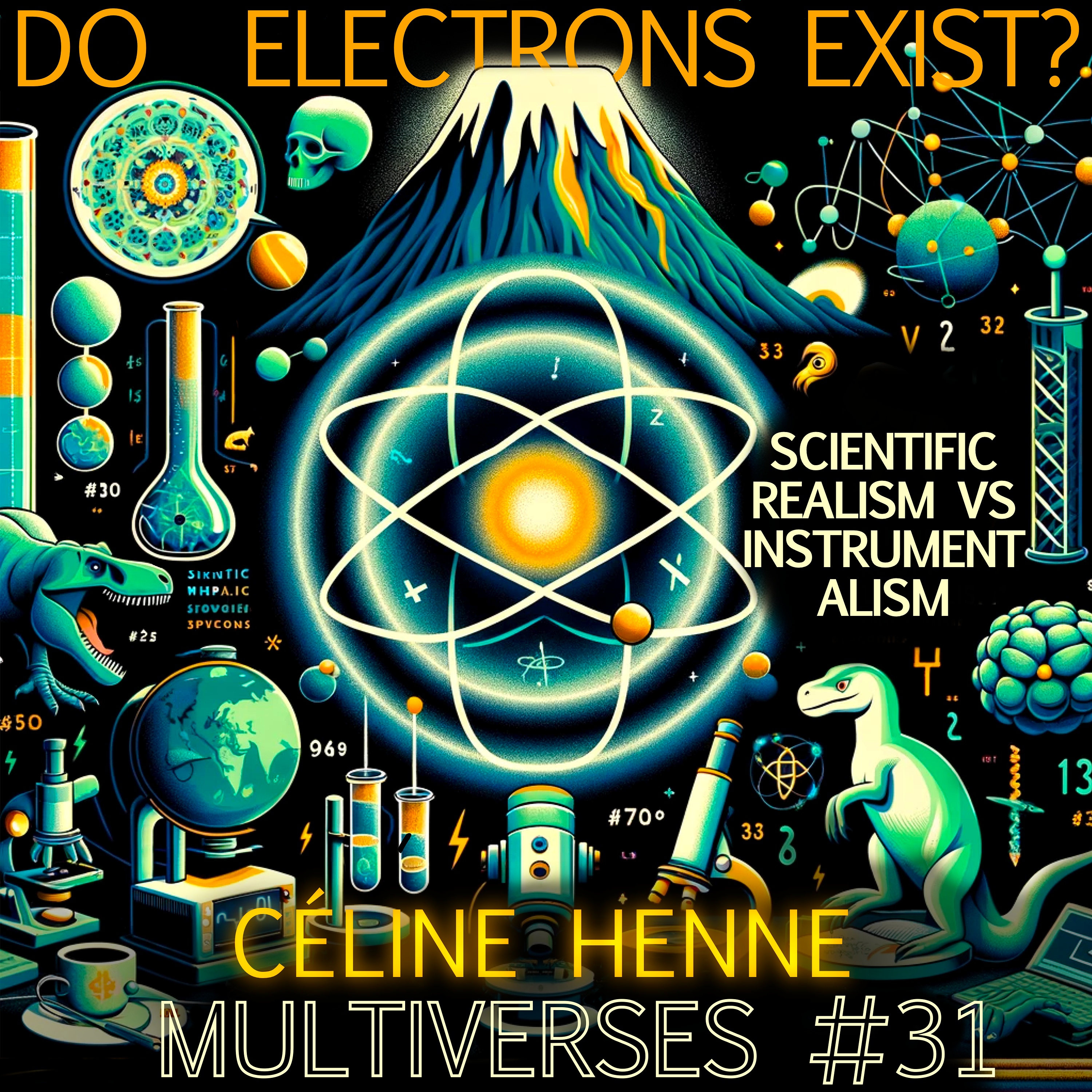
Episode #31
Physics helps get stuff done. Its application has put rockets in space, semiconductors in phones, and eclipses on calendars. For some philosophers, this is all physics offers. It is a mere instrument, albeit of...
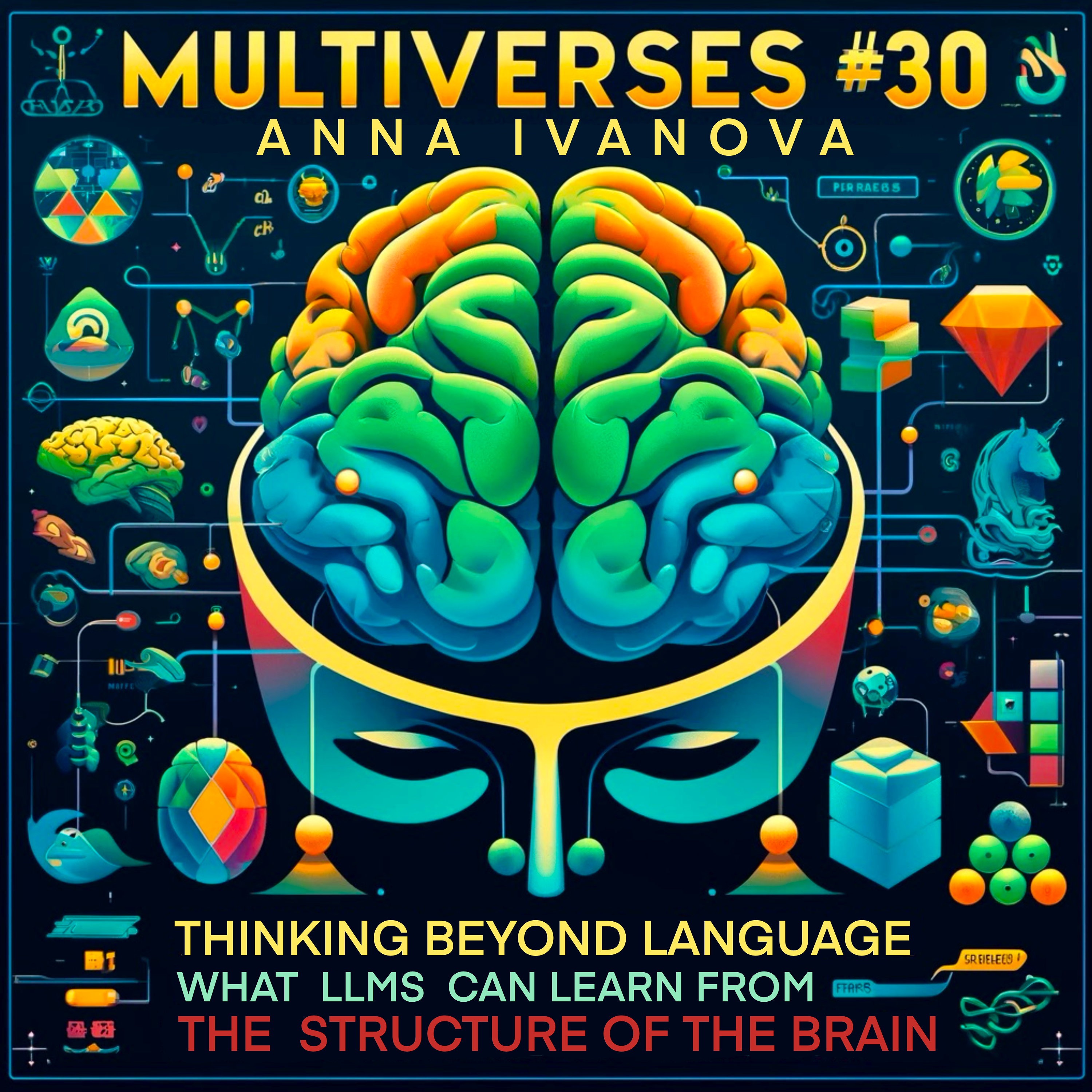
It can be tempting to consider language and thought as inextricably linked. As such we might conclude that LLM's human-like capabilities for manipulating language indicate a corresponding level of thinking.  ...
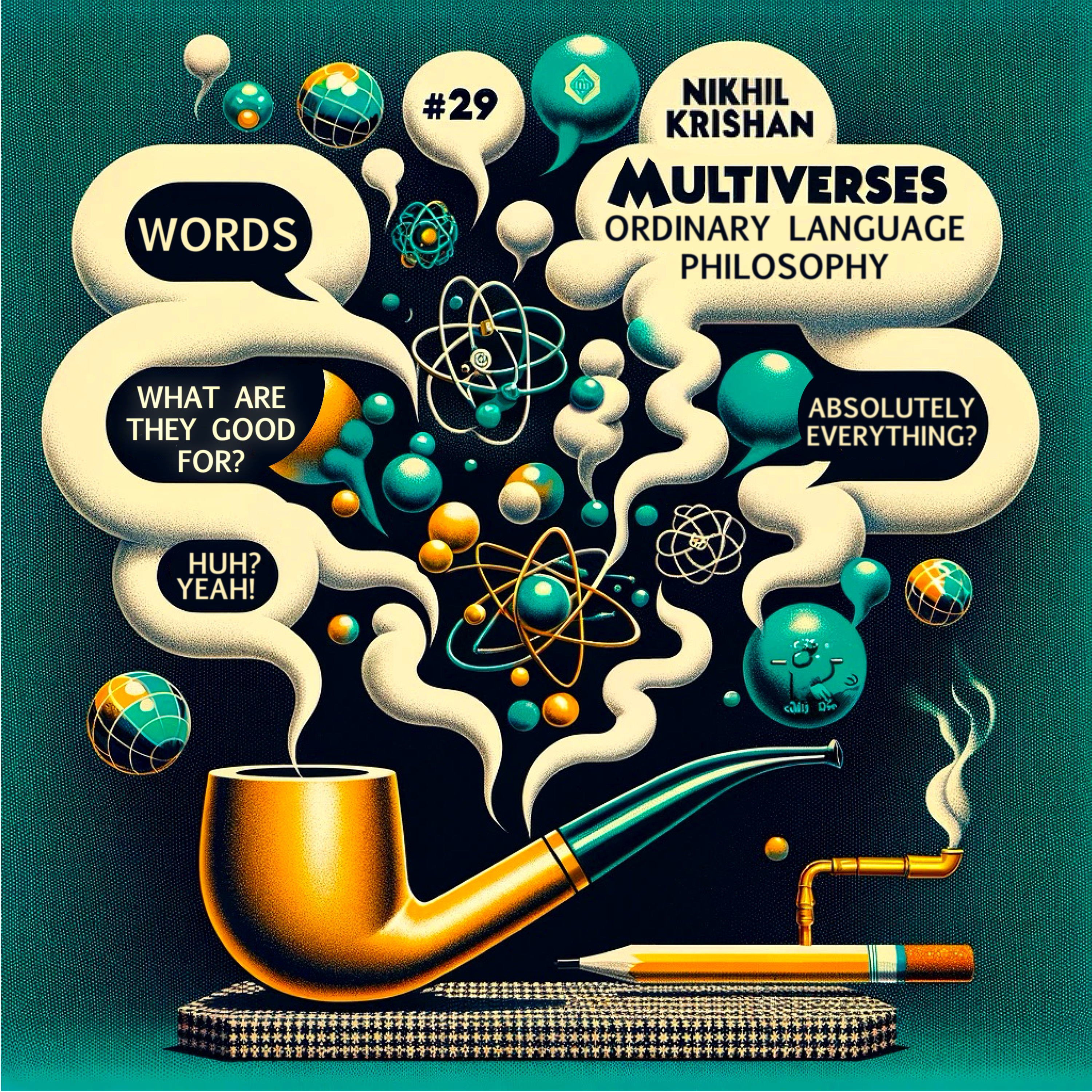
Words. (Huh? Yeah!) What are they good for? Absolutely everything. At least this was the view of some philosophers early in the 20th century, that the world was bounded by language. ("The limits of my language mean the...

Music may be magical. But it is also rooted in the material world. As such it can be the subject of empirical inquiry. How does what we are told of a performer influence our appreciation of the performance? Does...
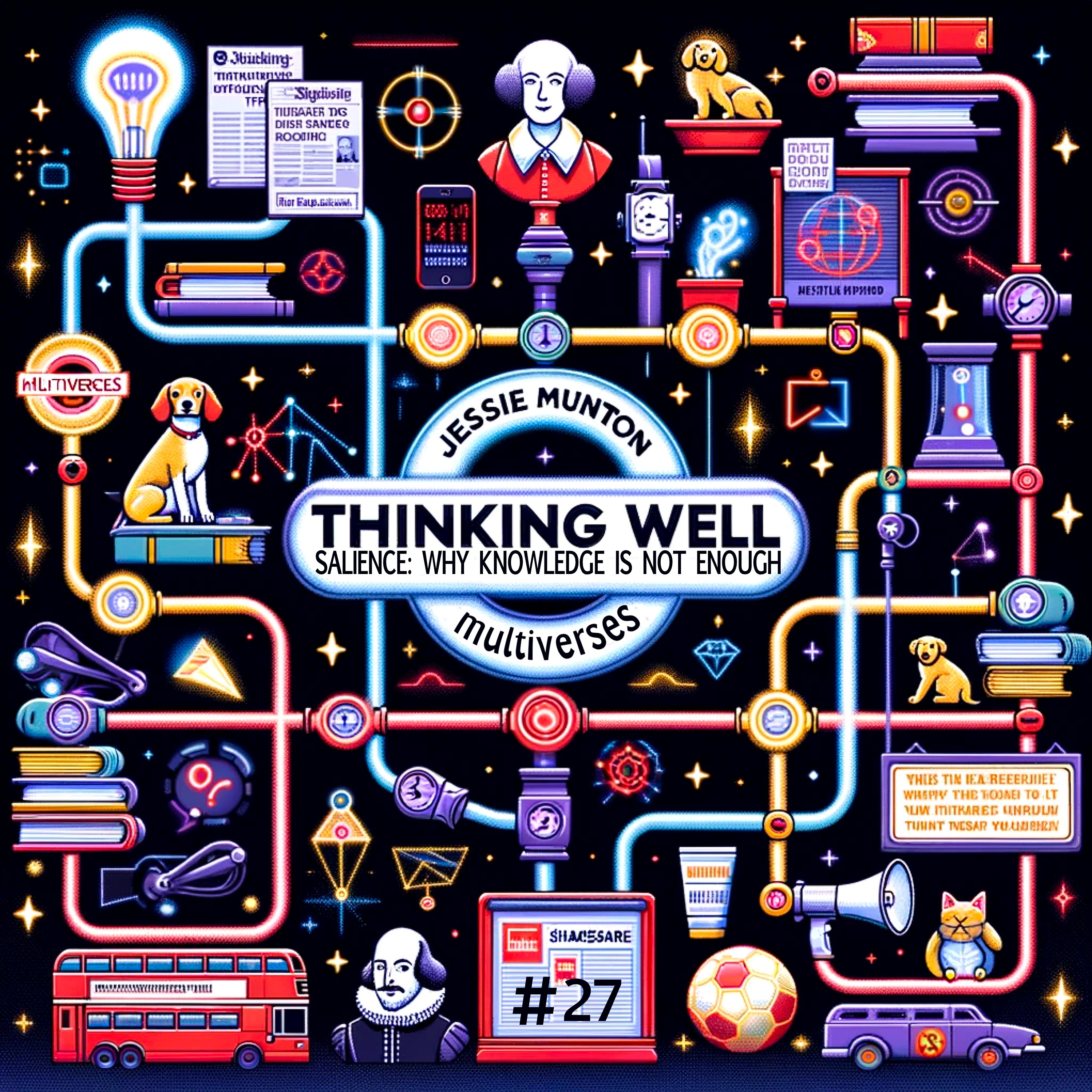
If all my beliefs are correct, could I still be prejudiced? Philosophers have spent a lot of time thinking about knowledge. But their efforts have focussed on only certain questions. What makes it such that a person...
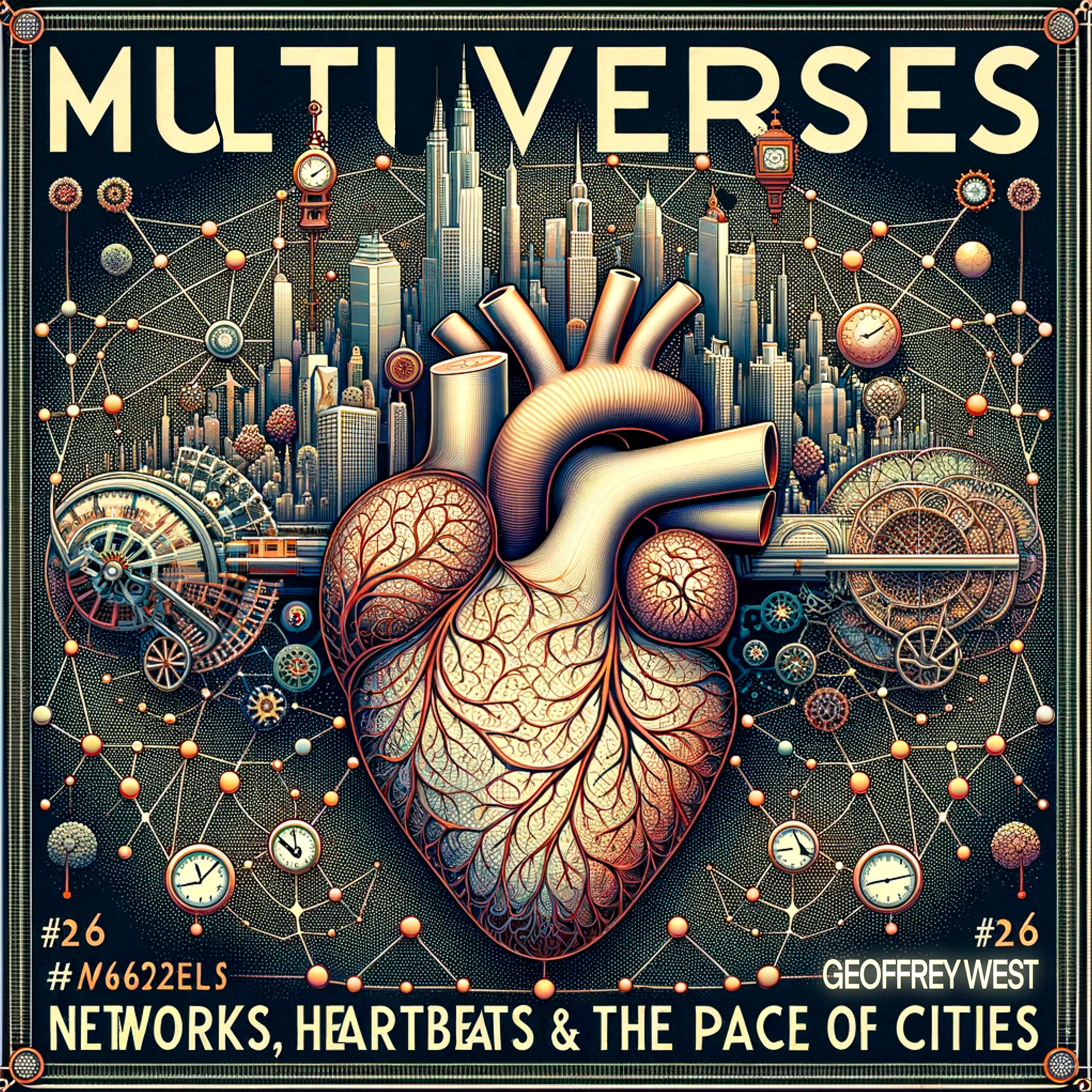
Why do whales live longer than hummingbirds? What makes megacities more energy efficient than towns? Is the rate of technological innovation sustainable? Though apparently disparate the answer to these...

Episode #25
It's easy to recognize the potential of incremental advances — more efficient cars or faster computer chips for instance. But when a genuinely new technology emerges, often even its creators are unaware of how it will...
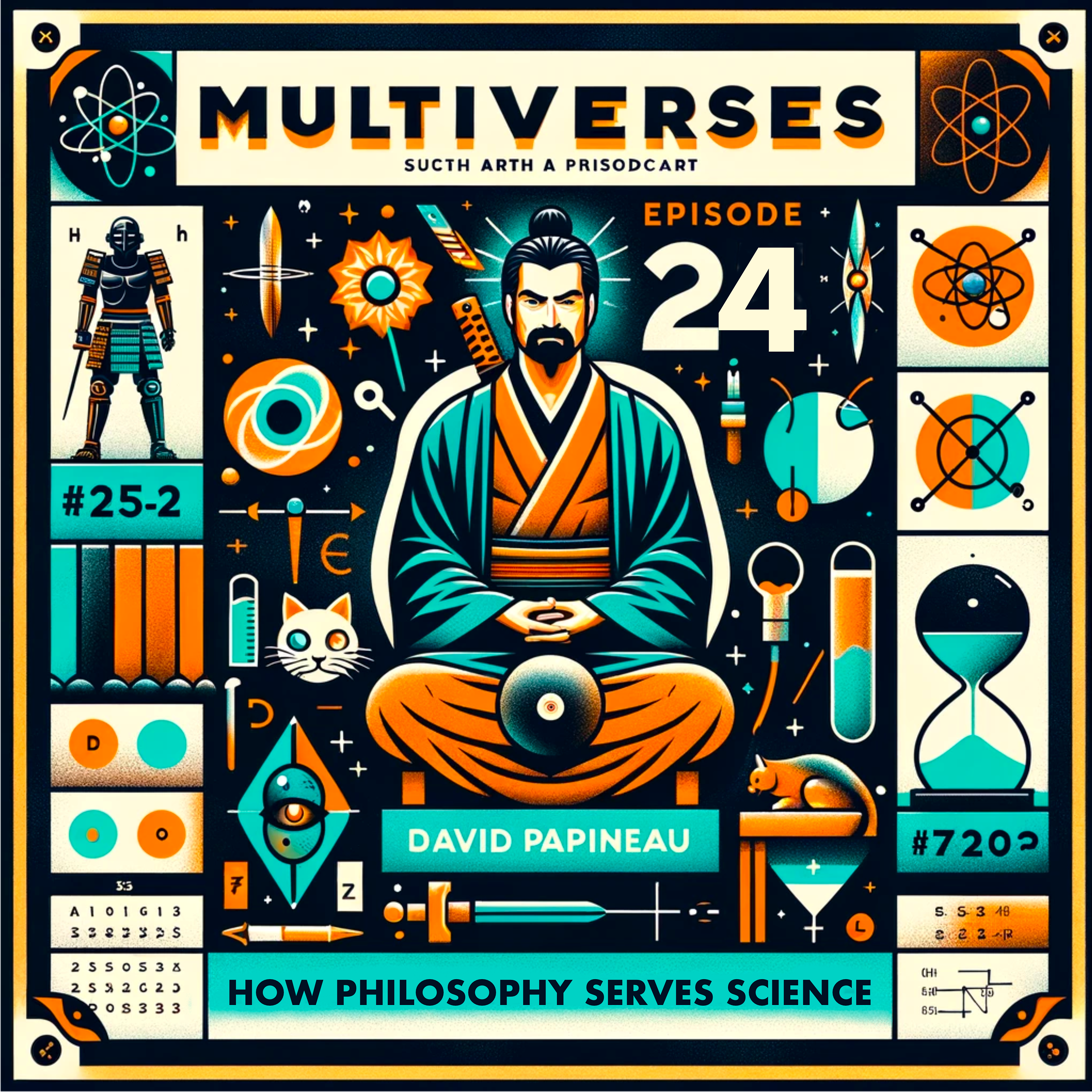
Are philosophy and science entirely different paradigms for thinking about the world? Or should we think of them as continuous: overlapping in their concerns and complementary in their tools? David Papineau is a...

Why do men do less housework? What happens when an apology is offered? What are we looking for when we ask for advice? These are the sorts of problems drawn from everyday experience that Paulina Sliwa intends to resolve...
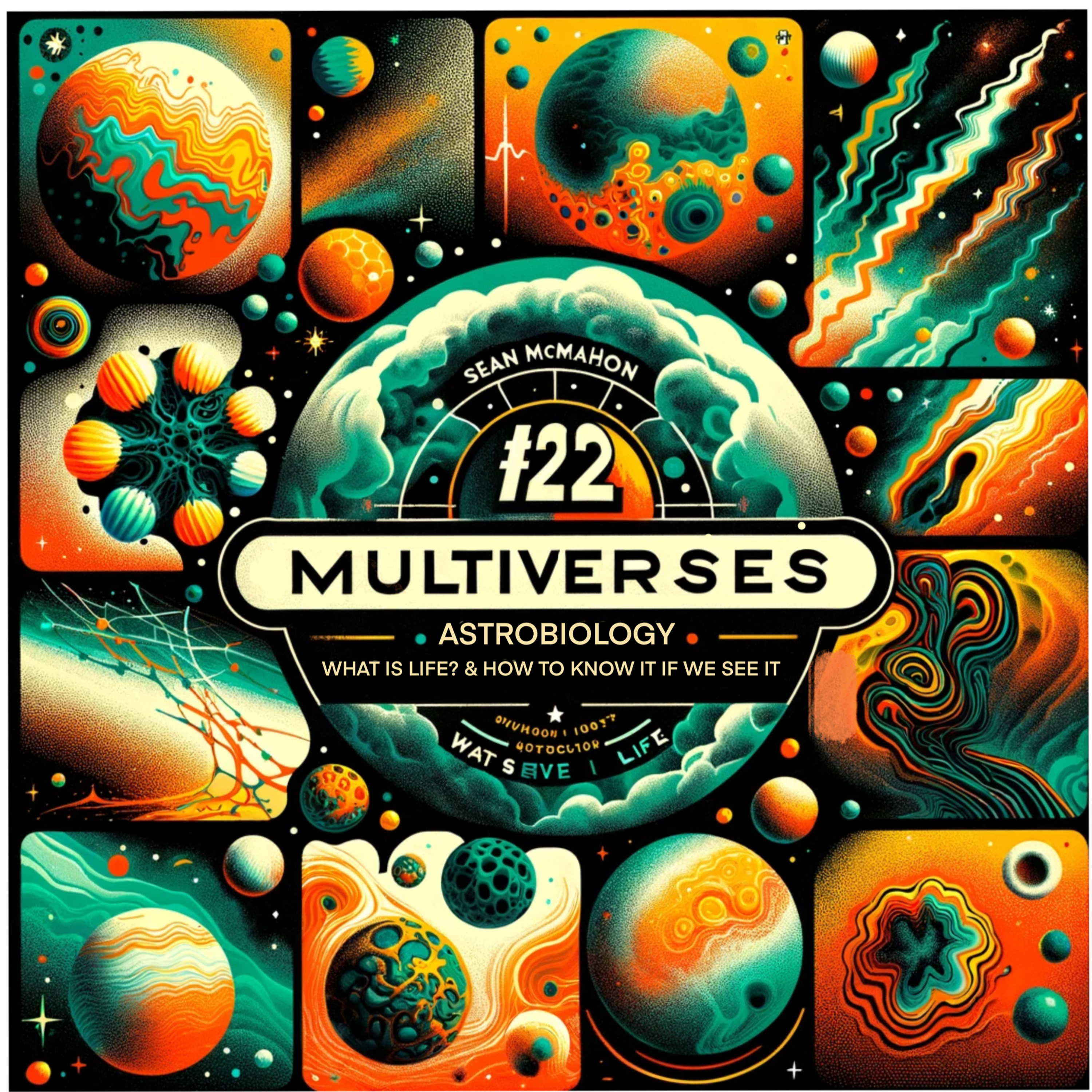
Life. What is it? How did it start? Is it unique to Earth, rare or abundantly distributed throughout the universe? While biology has made great strides in the last two hundred years, these foundational questions remain...
Recent guests on MULTIVERSES. Study who booked and why before you pitch.
Chief Scientist for the Tiny Blue Dot Foundation, Allen Institute for Brain Science
Professor in Cognitive Science, Rensselaer
AI ethics researcher, author, Chair of the Safer Agentic AI Safety Experts Focus Group at IEEE, European Responsible AI Office
Assistant Professor of Psychology, Georgia Tech College of Sciences
Based on semantic analysis of episode topics and host coverage, this podcast is a strong guest fit for executives in:
Industry fit is computed by PitchCentric using vector embeddings of the podcast's episode catalog.
Shows with the most semantically similar episode content. Pitch one, pitch all; producers cluster.
Is this podcast yours and you'd like to remove or correct details? Request removal or email privacy@pitchcentric.com.
Questions about the free trial? See the pricing FAQ