Apr 11, 202614 minS5
<p>This episode concludes Unit 5 by exploring dimensionality reduction and methods to evaluate clustering performance.</p> <p>Key topics:</p> <p>Dimensionality reduction: Handling high-dimensional data.</p> <p>Principal...


education
Hosted by CI Codesmith · education · MR
Mindforge ML | Foundations to Intelligence is an educational podcastby Chatake Innoworks Pvt. Ltd., published under the MindforgeAI initiative.This series explores Machine Learning from first principles to real-worldapplications, aligned with academic syllabi and practical thinking.Designed for students, educators, and curious minds who want to understandhow machines learn, reason, and assist human decision-making.
Required Pod Score for this podcast. PitchCentric checks your profile against host openness, topical fit, and audience signals before you generate a pitch.
Contact path
Verified email
Booking probability
31%
Guest openness
Selective
Sign up to generate a grounded pitch for Mindforge ML | Foundations to Intelligence.
Signup to Generate a PitchMindforge ML | Foundations to Intelligence is an educational podcastby Chatake Innoworks Pvt. Ltd., published under the MindforgeAI initiative. This series explores Machine Learning from first principles to real-worldapplications, aligned with academic syllabi and practical thinking. Designed for students, educators, and curious minds who want to understandhow machines learn, reason, and assist human decision-making.
Mindforge ML | Foundations to Intelligence is hosted by CI Codesmith. The show has published 27 episodes to date.
Recent episodes include "Mindforge ML | Unit 5, Podcast 05_Title: PCA and Clustering Evaluation Techniques" (11 April 2026, 14 minutes), "Mindforge ML | Unit 5, Podcast 04_Title: Hierarchical Clustering and Dendrogram Analysis" (11 April 2026, 20 minutes), and "Mindforge ML | Unit 5, Podcast 03_Title: K-Means Clustering Explained" (11 April 2026, 22 minutes).
Mindforge ML | Foundations to Intelligence publishes roughly daily, with episodes averaging 15 minutes across 27 episodes.
Booking probability for Mindforge ML | Foundations to Intelligence is 31%, and the host is rated Selective on guests. Mindforge ML | Foundations to Intelligence requires a Pod Score of 80 or higher. Mindforge ML | Foundations to Intelligence's contact route on record: verified email.
The strongest fits for Mindforge ML | Foundations to Intelligence are Courses, Coaching & Lessons. Mindforge ML | Foundations to Intelligence has an education audience.
CI Codesmith hosts Mindforge ML | Foundations to Intelligence, an education podcast with 27 episodes published.
Our AI reads these to draft pitches. Use them as grounding for a pitch that cites a real guest and a specific topic.
<p>This episode concludes Unit 5 by exploring dimensionality reduction and methods to evaluate clustering performance.</p> <p>Key topics:</p> <p>Dimensionality reduction: Handling high-dimensional data.</p> <p>Principal...
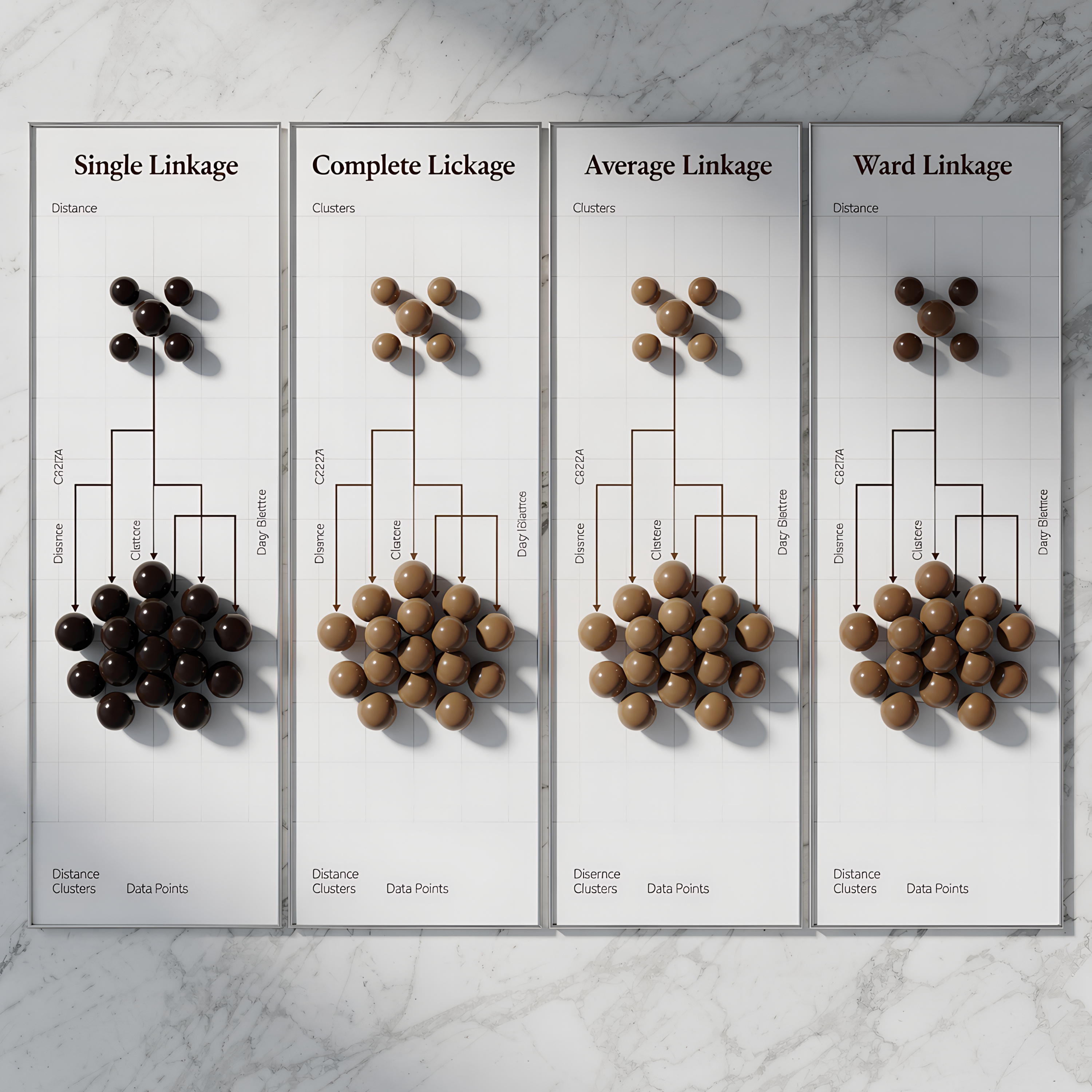
<p>This episode explores hierarchical clustering — a tree-based approach to grouping data and understanding relationships between clusters.</p> <p>Key topics:</p> <p>Agglomerative clustering: Bottom-up approach.</p>...
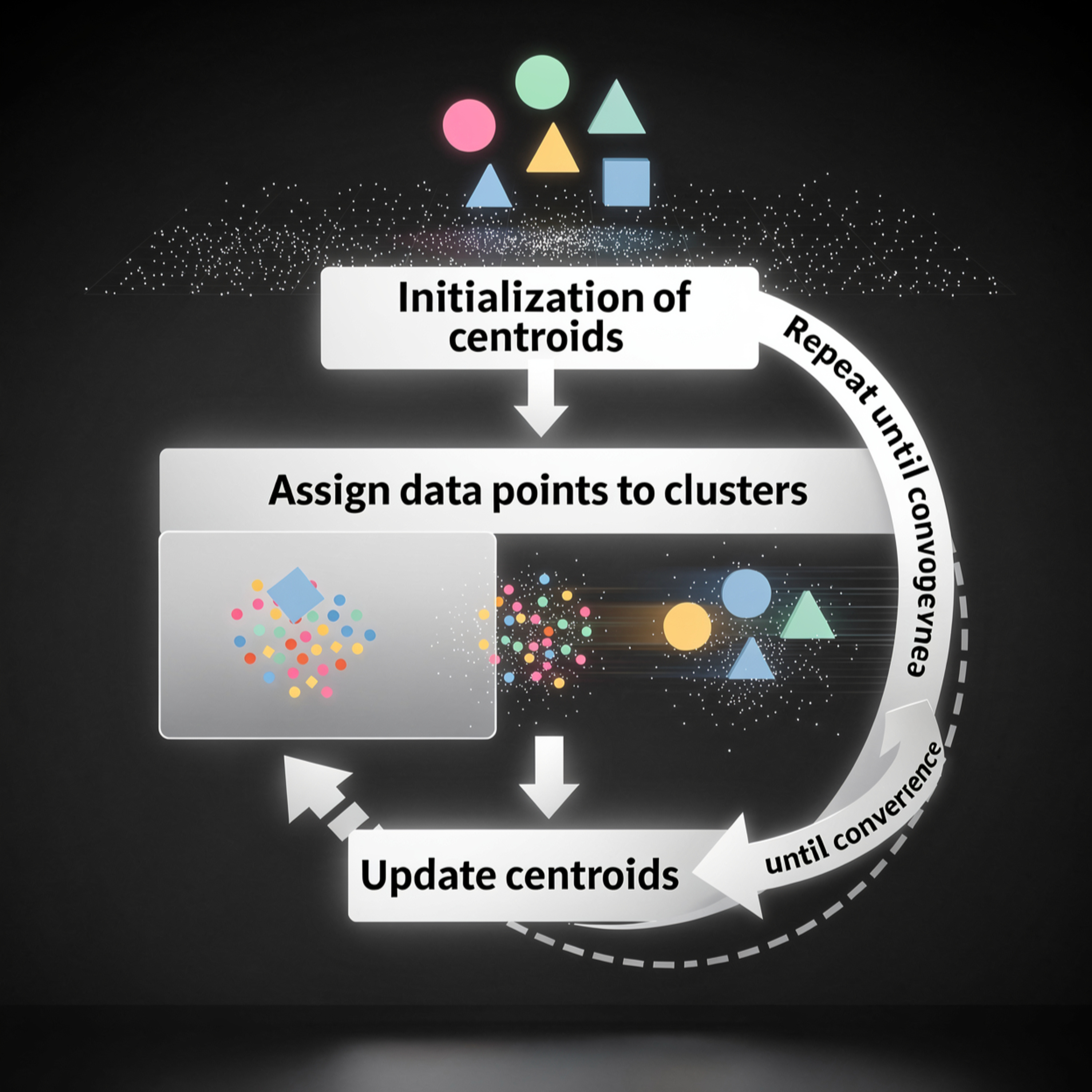
<p>This episode provides a step-by-step conceptual understanding of K-Means clustering — one of the most important unsupervised learning algorithms.</p> <p>Key topics:</p> <p>Clustering concept: Grouping similar data...

<p>This episode explores the fundamental concepts behind unsupervised learning and how machines extract meaningful patterns from raw data.</p> <p>Key topics:</p> <p>Labeled vs unlabeled data: Core differences in...

<p>This episode introduces the architecture of unsupervised learning — where models learn from unlabeled data without predefined outputs.</p> <p>Key topics:</p> <p>Unlabeled data: Learning without explicit targets.</p>...

<p>Building a model is only half the process — evaluating it correctly is critical.</p><p>This episode explains performance metrics, confusion matrix analysis, bias–variance tradeoff and model comparison...
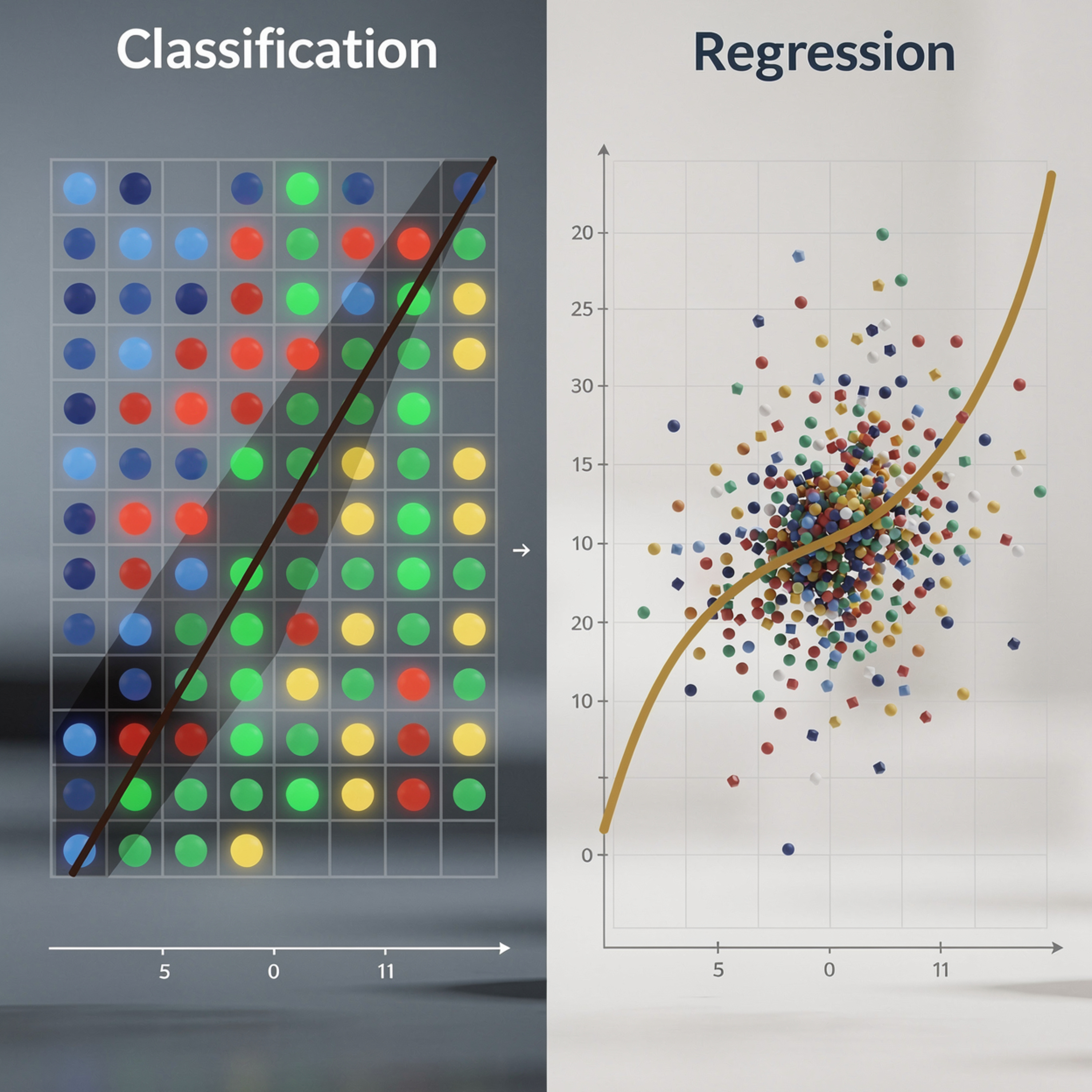
<p>Optimization-based learning models form the backbone of predictive systems.</p><p>This episode explains Linear Regression for continuous prediction and Logistic Regression for classification using probability-based...

Episode #4
<p>Support Vector Machines introduce margin-based classification thinking.</p><p>This episode explores hyperplanes, margins, support vectors and the kernel trick — building geometric intuition behind SVM.</p><p>Key...

Episode #3
<p>Supervised learning begins with intuitive and interpretable models.</p><p>This episode explains Decision Trees and K-Nearest Neighbors — two fundamental supervised learning techniques based on rule splitting and...

<p>Before understanding algorithms, clarity in fundamentals is essential.</p><p>This episode explores the core concepts of supervised learning including labeled datasets, regression and classification problems, and the...

<p>Supervised Learning forms the core of practical Machine Learning systems.</p><p>This master episode introduces the complete architecture of supervised learning — from labeled data to model evaluation — building a...

<p>Feature engineering does not end at selection or extraction — it must be evaluated carefully.</p><p>This episode concludes Unit 3 by exploring how to assess feature quality, avoid common mistakes, and prepare for...
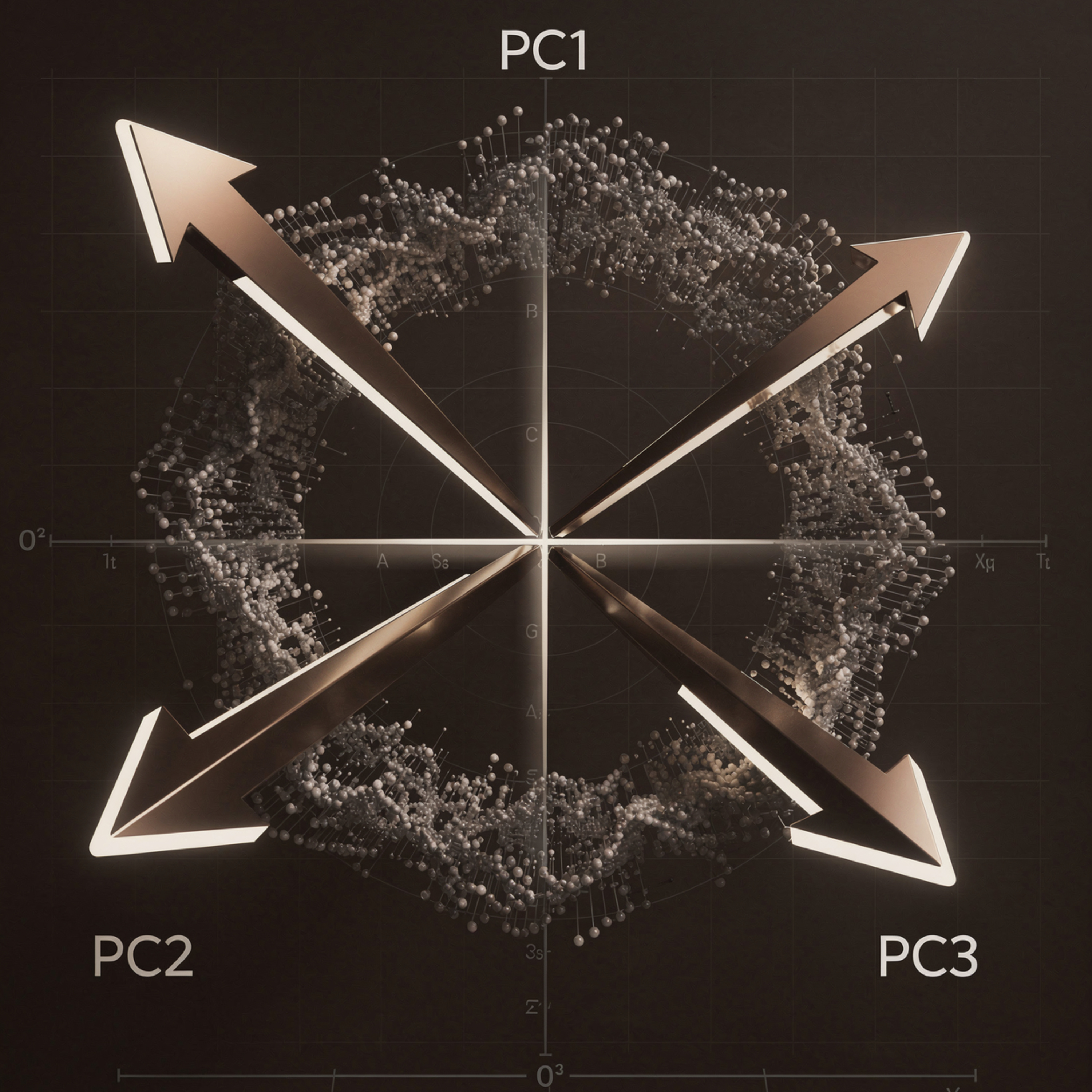
<p>Sometimes selecting features is not enough — new features must be created.</p><p>This episode explores feature extraction and dimensionality reduction, focusing on techniques like PCA and LDA, along with their...

<p>Not all features contribute equally to learning.</p><p>This episode focuses on feature selection — the process of identifying relevant and meaningful features while removing redundant and irrelevant...

<p>Machine Learning models do not learn from raw data directly — they learn from features.</p><p>This episode introduces the idea of features, explains why too many features can harm learning, and explores the curse of...

<p>Welcome to the finale of Unit 2 in Mindforge ML. We are bridging the gap between raw data and a trainable model.</p><p>Computers don't understand text, and models cheat if you let them see the answers. In this...

<p>Welcome to Mindforge ML. In this episode, we explore Feature Scaling—the mathematics of fairness in machine learning.</p><p>When one feature ranges from 0-1 and another from 0-10,000, your model gets confused. We...

<p>Welcome to Mindforge ML. In this episode, we investigate the rebels of your dataset: outliers.</p><p>An outlier can be a critical insight (fraud detection) or a disastrous error (sensor glitch). The difference lies...

<p>Welcome to Mindforge ML. In this episode, we tackle the most common enemy of data science: missing values.</p><p>Real-world data is rarely perfect. Sensors fail, forms get skipped, and files get corrupted. Simply...

<p>Welcome to the first episode of Unit 2 in the Mindforge ML series. In this episode, we are pulling back the curtain on what really makes Machine Learning work.</p><p>Most beginners obsess over algorithms. Experts...
PitchCentric classifies Mindforge ML | Foundations to Intelligence under these industries. Guests from them are the closest fit, and each links to the best podcasts in that industry.
Shows with the most semantically similar episode content. Pitch one, pitch all; producers cluster.
Is this podcast yours and you'd like to remove or correct details? Request removal or email privacy@pitchcentric.com.
Questions about the free trial? See the pricing FAQ