Marketing for SMEs is a podcast for founders and marketing managers running businesses in the $300k to $2m range, trying to make sense of what is actually working in marketing and AI right now, and what is just noise. Hosted by Jeremy Yang, founder of Digital Goliath , the show brings in specialists who work directly with this segment, across ads, analytics, creative, and AI implementation. Each episode focuses on how they are helping these businesses, what their offers look like in practice, what they are seeing work or fail in real accounts, and the questions founders tend to ask once they are in it. The aim is to surface real operating context so listeners can judge what is relevant to them, not be told what to do. Conversations stay grounded, specific, and current, with enough detail for experienced operators to take something from it, or ignore it if it does not fit.
Pitch Analysis
Required Pod Score for this show. PitchCentric checks your profile against host openness, topical fit, and audience signals before you generate a pitch.
Contact path
Verified email
Booking probability
31%
Guest openness
Selective
Verified email on file
80/100
Required Score
Sign up to generate a grounded pitch for Marketing for SMEs.
Marketing for SMEs is a business podcast hosted by Unknown Host, with 31 episodes on record and a Required Pod Score of 80. PitchCentric scores this show on Booking Probability, Listen Score, and live audience signals refreshed every 24 hours.
About the host
Unknown Host hosts Marketing for SMEs, a business show with 31 episodes published.
Our AI reads these to draft pitches. Use them as grounding for a pitch that cites a real guest and a specific topic.
Episode #33
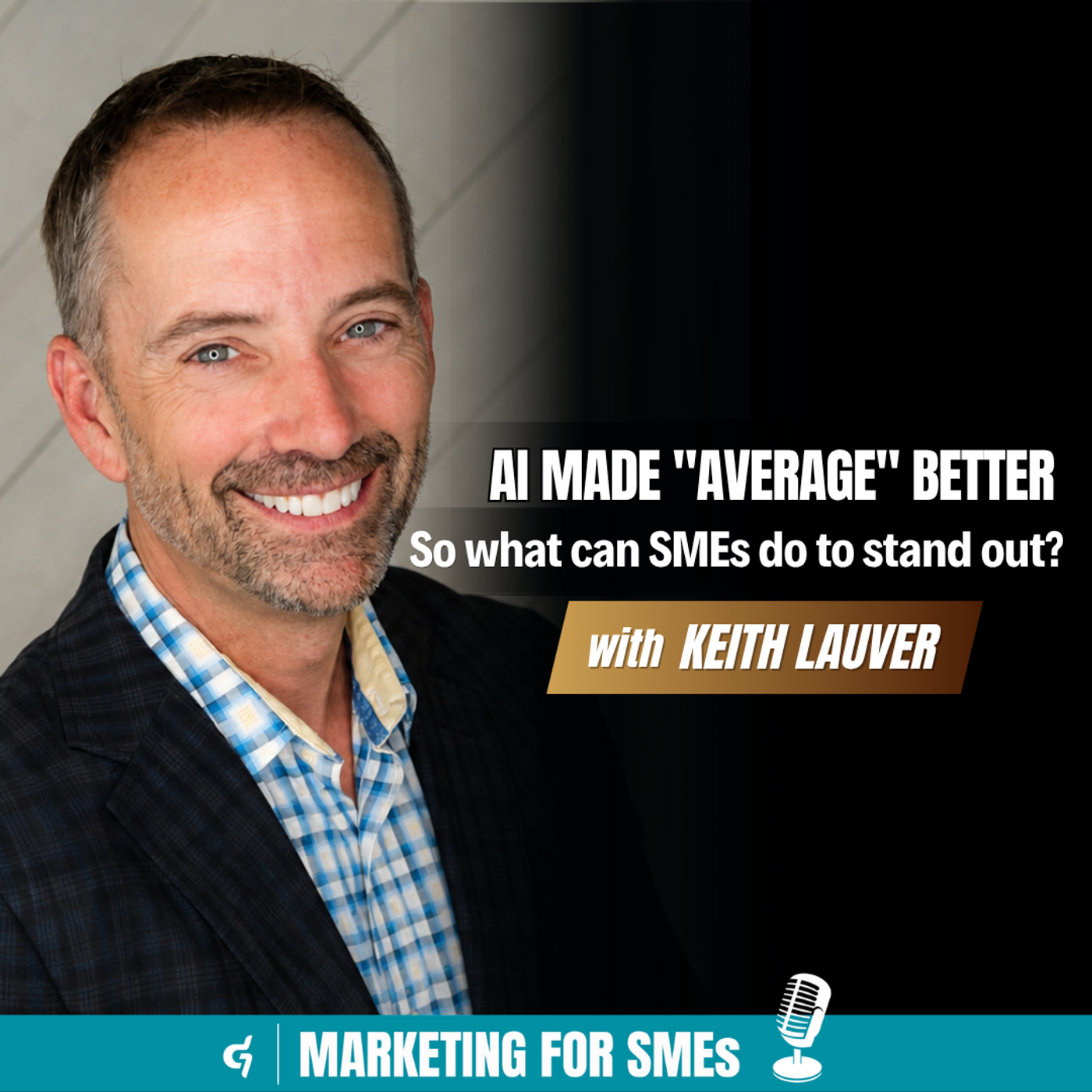
Keith Lauver on Escaping AI-Generated Mediocrity
Sep 2, 202631 minS1
AI has made it easier for almost anyone to produce acceptable marketing. But when every business uses the same tools in the same way, acceptable quickly becomes forgettable. Jeremy Yang speaks with Keith Lauver, Founder and CEO of Ellavator AI, about what Keith calls the “Ministry of Mediocrity”: the pull towards safe, average marketing created by general AI tools. Keith explains why businesses risk losing their voice and point of distinction when they use AI purely to produce more content. They discuss how Ella was created to keep a business’s positioning, customer knowledge and marketing thinking connected to the work it produces. They also discuss: Why below-average work may be the first thing displaced by AI How businesses can use AI without sounding like everyone else Keeping your own point of view while building a content system How MCP could connect marketing tools, advertising data and analytics Why small businesses are not behind on AI, despite how tools are pitched to them The risk of building an entire workflow around one AI platform This episode is for SME owners, marketers and agencies that want help from AI without handing over the thinking, voice and knowledge that make their business different. Learn more about Keith Lauver Ellavator AI ➡️ https://www.ellavator.ai/ Keith Lauver on LinkedIn ➡️ https://www.linkedin.com/in/keithdlauver/ Learn more about Jeremy Yang on LinkedIn ➡️ https://www.linkedin.com/in/jeremy-yang/ Listen on your preferred podcast app ➡️ https://pod.link/aHR0cHM6Ly9hcGkucml2ZXJzaWRlLmNvbS9ob3N0aW5nL2RmaGQ4QlltLnJzcw Connect with Digital Goliath Instagram ➡️ https://www.instagram.com/digital_goliath_marketing/ Website ➡️ https://digitalgoliath.com.au/ Learn more about Digital Goliath About Us ➡️ https://digitalgoliath.com.au/about-page/ Our Services ➡️ https://digitalgoliath.com.au/marketing-ads-services/ Looking for more practical ideas to help you run and grow your business? Explore Digital Goliath’s latest articles and how-to guides for SME owners. Expert Perspectives ➡️ https://digitalgoliath.com.au/expert-perspectives/ How-To Guides ➡️ https://digitalgoliath.com.au/how-to-guides/
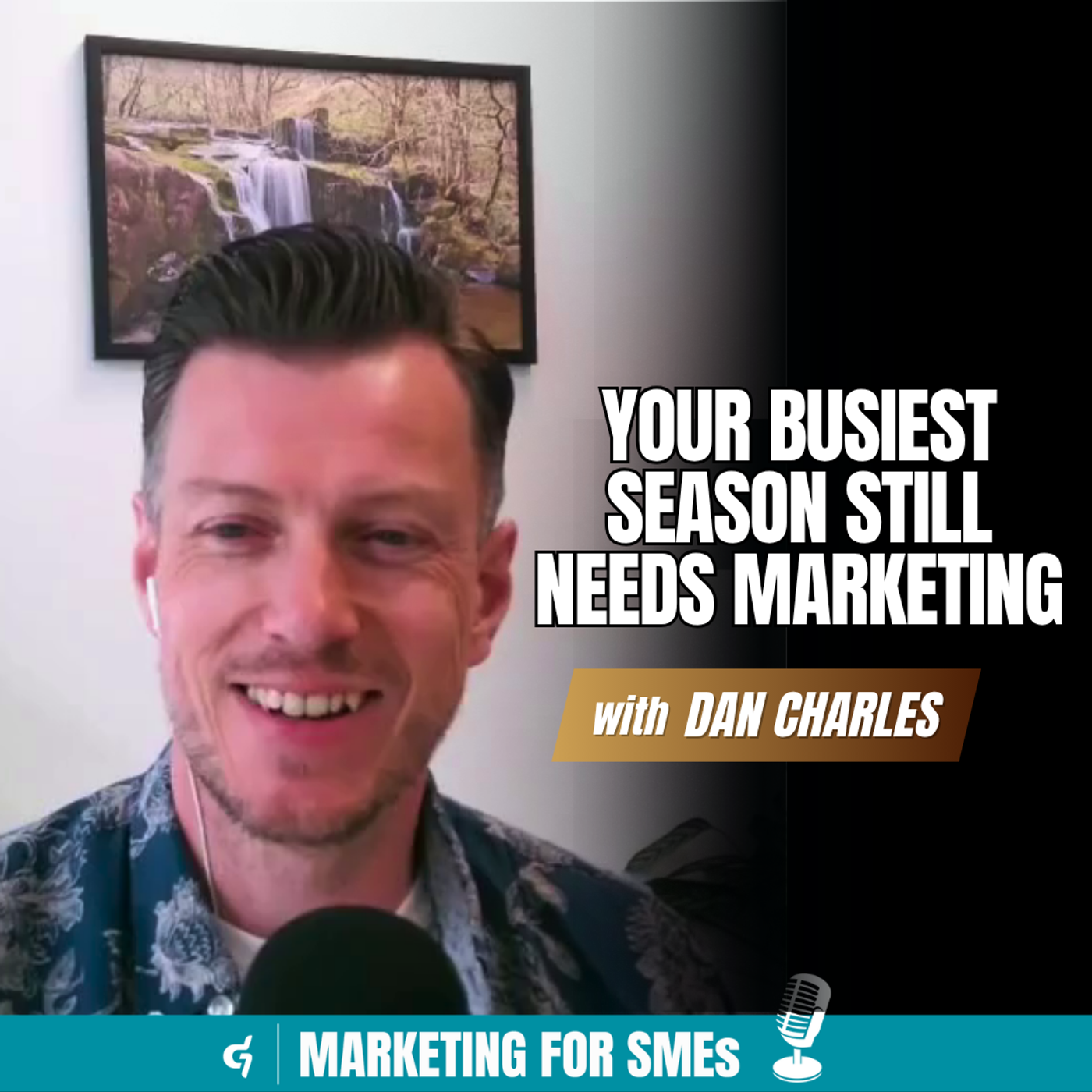
Dan Charles on Building an Event Marketing Pipeline That Runs Year-Round
Aug 25, 202631 minS1
Being busy can hide a future sales problem. Many event businesses stop marketing when their teams are fully occupied with delivery. When the busy period ends, they discover that the pipeline has dried up and they need to start again from zero. Jeremy Yang speaks with Dan Charles, founder of Codarity, a growth partner built specifically for B2B event service businesses. Before moving into marketing, Dan spent nearly a decade in the events industry and scaled productions from small local gatherings to shows with more than 3,000 attendees. He later worked inside a large agency before founding Codarity and eventually narrowing its focus to the events industry. Dan explains why relying on referrals creates unpredictable revenue, how long buying cycles affect event businesses and why running more ads will not necessarily fix a growth plateau. They also discuss: Why serving every type of client made Codarity harder to scale The four pillars of Dan’s Evergreen Event Profit System How automation keeps the pipeline moving during busy seasons Why highly specific LinkedIn content can generate leads with only 150 impressions Losing around 60% of Codarity’s clients during COVID The hidden opportunities businesses miss when they depend on word of mouth Why short marketing trials lead to repeated restarts This episode is useful for event businesses, agency owners and other service companies that experience uneven demand or rely heavily on referrals. Learn more about Dan Charles LinkedIn ➡️ https://uk.linkedin.com/in/dancharles Codarity ➡️ https://codarity.com/ Learn more about Jeremy Yang on LinkedIn ➡️ https://www.linkedin.com/in/jeremy-yang/ Listen on your preferred podcast app ➡️ https://pod.link/aHR0cHM6Ly9hcGkucml2ZXJzaWRlLmNvbS9ob3N0aW5nL2RmaGQ4QlltLnJzcw Connect with Digital Goliath Instagram ➡️ https://www.instagram.com/digital_goliath_marketing/ Website ➡️ https://digitalgoliath.com.au/ Learn more about Digital Goliath About Us ➡️ https://digitalgoliath.com.au/about-page/ Our Services ➡️ https://digitalgoliath.com.au/marketing-ads-services/ Looking for more practical ideas to help you run and grow your business? Explore Digital Goliath’s latest articles and how-to guides for SME owners. Expert Perspectives ➡️ https://digitalgoliath.com.au/expert-perspectives/ How-To Guides ➡️ https://digitalgoliath.com.au/how-to-guides/
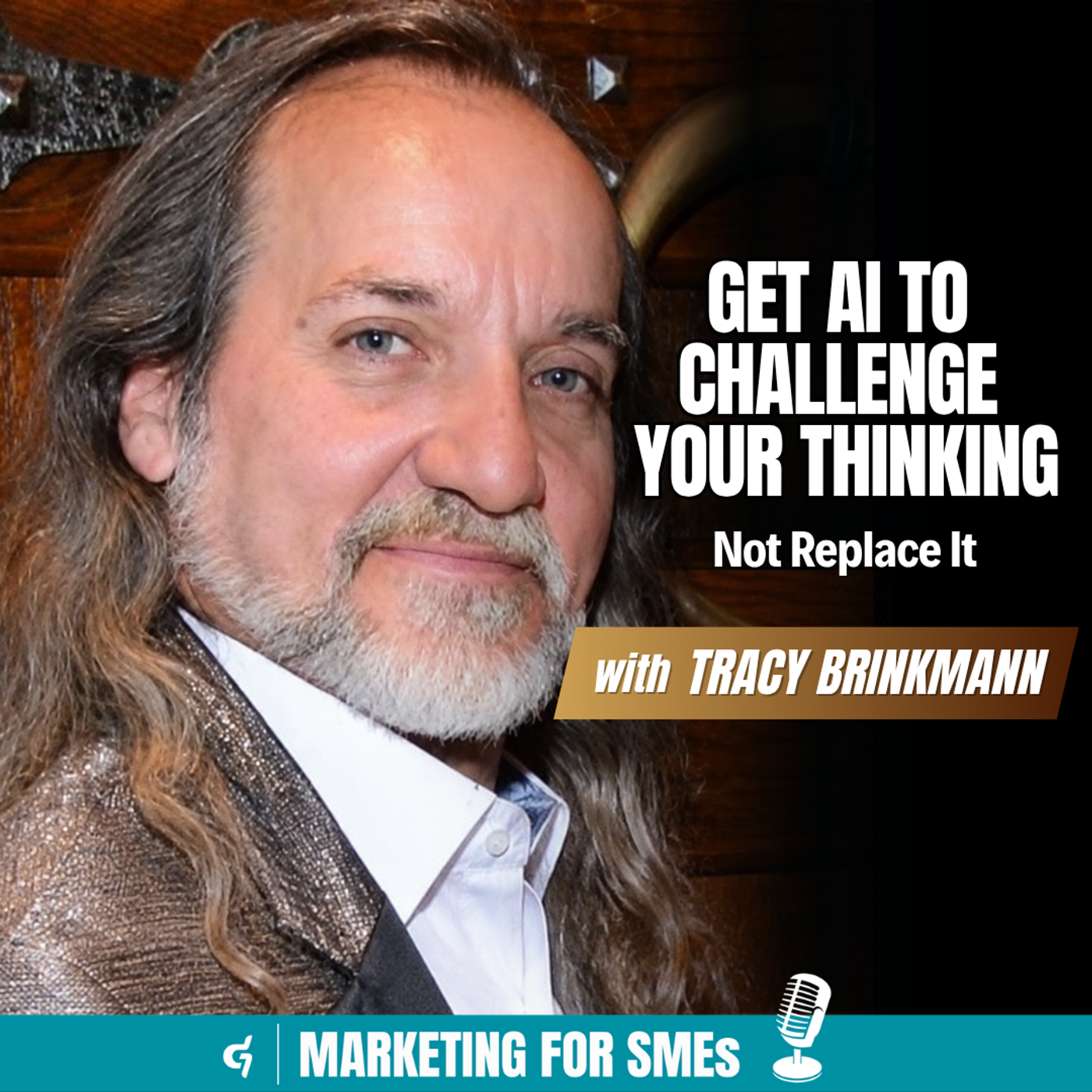
Tracy Brinkmann on Why AI Should Challenge Your Thinking, Not Replace It
Aug 24, 202638 minS1
AI can help a small business research ideas, develop products and move faster, but handing over all your critical thinking produces generic work. In this episode of Marketing for SMEs, Jeremy Yang speaks with Tracy Brinkmann, host of The Dark Horse Entrepreneur podcast. Tracy draws on decades of experience across entrepreneurship, corporate marketing, coaching and podcasting to explain where AI genuinely helps smaller businesses and where human judgement still matters. They discuss how microbusiness owners can use AI as a creative sounding board, test more specific product ideas and extract more value from knowledge they already have. Tracy also shares how his own path took him from addiction and a police raid to working with companies including Coca-Cola, Home Depot and Victoria’s Secret. They also discuss: How one product grew from $250,000 to $5 million in annual Amazon revenue What early Facebook advertising was like for businesses Why advertising eventually appears on almost every new platform The current limits of vibe coding AI creatives and the “uncanny valley” How email reactivation campaigns can produce revenue from an existing customer list This episode is for SME owners, solopreneurs and creators who want to use AI without losing the experience, judgement and original thinking that make their work valuable. Learn more about Tracy Brinkmann Website ➡️ https://www.darkhorseentrepreneur.com/ LinkedIn ➡️ https://www.linkedin.com/in/tracybrinkmann/ YouTube ➡️ https://www.youtube.com/@DarkHorseEntrepreneur/videos Learn more about Jeremy Yang on LinkedIn ➡️ https://www.linkedin.com/in/jeremy-yang/ Listen on your preferred podcast app ➡️ https://pod.link/aHR0cHM6Ly9hcGkucml2ZXJzaWRlLmNvbS9ob3N0aW5nL2RmaGQ4QlltLnJzcw Connect with Digital Goliath Instagram ➡️ https://www.instagram.com/digital_goliath_marketing/ Website ➡️ https://digitalgoliath.com.au/ Learn more about Digital Goliath About Us ➡️ https://digitalgoliath.com.au/about-page/ Our Services ➡️ https://digitalgoliath.com.au/marketing-ads-services/ Looking for more practical ideas to help you run and grow your business? Explore Digital Goliath’s latest articles and how-to guides for SME owners. Expert Perspectives ➡️ https://digitalgoliath.com.au/expert-perspectives/ How-To Guides ➡️ https://digitalgoliath.com.au/how-to-guides/
Lydia Lee on Scaling Down a Business Without Sacrificing Profit
Aug 20, 202654 minS1
A bigger business does not always create more freedom. Sometimes it creates more expenses, more offers to sell and more work that the founder never wanted. In this episode of Marketing for SMEs, Jeremy Yang speaks with Lydia Lee, creator of the Tiny Business Method and founder of Screw the Cubicle. After building a business with three full-time staff, eight offers and a constant cycle of launches, Lydia realised she had recreated many of the pressures she originally left corporate life to escape. Lydia explains how established business owners can simplify their offers, marketing and operating model without automatically sacrificing income or impact. She also shares how to recognise whether you have outgrown your work or whether the business itself has become too complicated for you to manage sustainably. They also discuss: Why choosing a profitable niche starts with understanding your skills and lived experience The hidden costs of pursuing arbitrary revenue goals How to replace constant online marketing with fewer, better-fitting channels Why a leaner business can sometimes leave the owner with more profit How founder burnout can be a business-model problem This conversation is for established service business owners, coaches and consultants who have built something successful but no longer enjoy the way it operates. Learn more about Lydia Lee Website ➡️ https://screwthecubicle.com/ LinkedIn ➡️ https://www.linkedin.com/in/lydiallee/ YouTube ➡️ https://www.youtube.com/screwthecubicle Learn more about Jeremy Yang on LinkedIn ➡️ https://www.linkedin.com/in/jeremy-yang/ Listen on your preferred podcast app ➡️ https://pod.link/aHR0cHM6Ly9hcGkucml2ZXJzaWRlLmNvbS9ob3N0aW5nL2RmaGQ4QlltLnJzcw Connect with Digital Goliath Instagram ➡️ https://www.instagram.com/digital_goliath_marketing/ Website ➡️ https://digitalgoliath.com.au/ Learn more about Digital Goliath About Us ➡️ https://digitalgoliath.com.au/about-page/ Our Services ➡️ https://digitalgoliath.com.au/marketing-ads-services/ Resources Expert Perspectives ➡️ https://digitalgoliath.com.au/expert-perspectives/ Results ➡️ https://digitalgoliath.com.au/results/
Humaira Akhter on Finding the Red Thread Behind Your Best Offer
Aug 19, 202641 minS1
Most advice about creating an offer starts with the target audience, their pain points and what keeps them awake at night. Humaira Akhter believes established business owners need to start somewhere deeper. In this episode of Marketing for SMEs, Jeremy Yang speaks with Humaira, creator of the Genius Offer Blueprint™, about finding the “red thread” that connects your experience, strongest work and personal history. Humaira explains why multi-skilled experts can struggle to choose one clear offer. Being capable of solving many problems can leave a business fragmented, difficult to explain and easy to forget. Her process looks at the high points, low points and turning points across your life and career. These patterns can reveal the work you are best placed to become known for, rather than forcing you into a niche that does not feel right. They also discuss: The difference between a zone of excellence and a zone of genius Why capable business owners repeatedly create offers but never execute them How an aligned offer can remain relevant as the market changes Why dialogue can uncover context that an AI tool may overlook What happens when a business owner keeps waiting to feel ready This conversation is for experienced coaches, consultants, creatives and service business owners who can do many things well but are struggling to decide what their business should be built around. Learn more about Humaira Akhter Website ➡️ https://humairaakhter.com/ LinkedIn ➡️ https://www.linkedin.com/in/humairaakhter/ Genius Offer Diagnostic ➡️ https://humairaakhter.com/quiz/find_my_redthread Genius Offer Blueprint™ ➡️ https://humairaakhter.com/geniusofferblueprint Learn more about Jeremy Yang on LinkedIn ➡️ https://www.linkedin.com/in/jeremy-yang/ Listen on your preferred podcast app ➡️ https://pod.link/aHR0cHM6Ly9hcGkucml2ZXJzaWRlLmNvbS9ob3N0aW5nL2RmaGQ4QlltLnJzcw Connect with Digital Goliath Instagram ➡️ https://www.instagram.com/digital_goliath_marketing/ Website ➡️ https://digitalgoliath.com.au/ Learn more about Digital Goliath About Us ➡️ https://digitalgoliath.com.au/about-page/ Our Services ➡️ https://digitalgoliath.com.au/marketing-ads-services/ Resources Expert Perspectives ➡️ https://digitalgoliath.com.au/expert-perspectives/ Results ➡️ https://digitalgoliath.com.au/results/
Every question we get asked before someone starts their trial.
If you have a concern about deliverability, AI quality, data privacy, or whether this will actually work for your specific situation, it's probably answered below.
What is the difference between Founder Solo and Founder Pro?
Founder Solo gives you 50 AI pitches per month using the credit model (Standard pitches cost 1 credit, Enriched pitches cost 2). Founder Pro raises that to 200 credits per month and adds full Booking Probability access, unlimited Magic Match, Apollo enrichment credits, and data export capabilities. Both plans use the same credit system, so you can stretch your monthly budget further by using Standard-mode drafting.
How do agency tiers work?
Agency tiers have no base fee. You pay per managed client and per talent profile. Agency Standard is $199 per client per month; Agency Pro is $399 per client per month. Both add $39 per talent profile per month. Your own team's user seats are always free.
What is a talent profile?
A talent profile represents one person (founder, executive, or spokesperson) you are booking onto podcasts. It includes their bio, topics, headshots, and outreach history. Team plans include 5 profiles; agency plans are pay-as-you-go.
Can I switch plans later?
Yes, at any time. Upgrades take effect immediately; downgrades apply at the end of the current billing period. Contact support if you need help migrating between plan families.
Do you offer a free trial?
Every paid plan includes a 15-day free trial. Your card is saved at signup but you will not be charged until day 16. Cancel any time from your dashboard.
What happens if I cancel?
You keep access until the end of your current billing period. No charges after that. Your data is retained for 30 days in case you reactivate.
Is the 20% annual discount automatic?
Yes. Select Annual on the pricing toggle and the discounted price is applied automatically at checkout. The annual price shown is the full year cost.
What if I have more than 50 profiles or 20 clients?
That is our Enterprise tier. Contact our sales team and we will build a custom plan with volume pricing, a dedicated account manager, and SLA guarantees.