
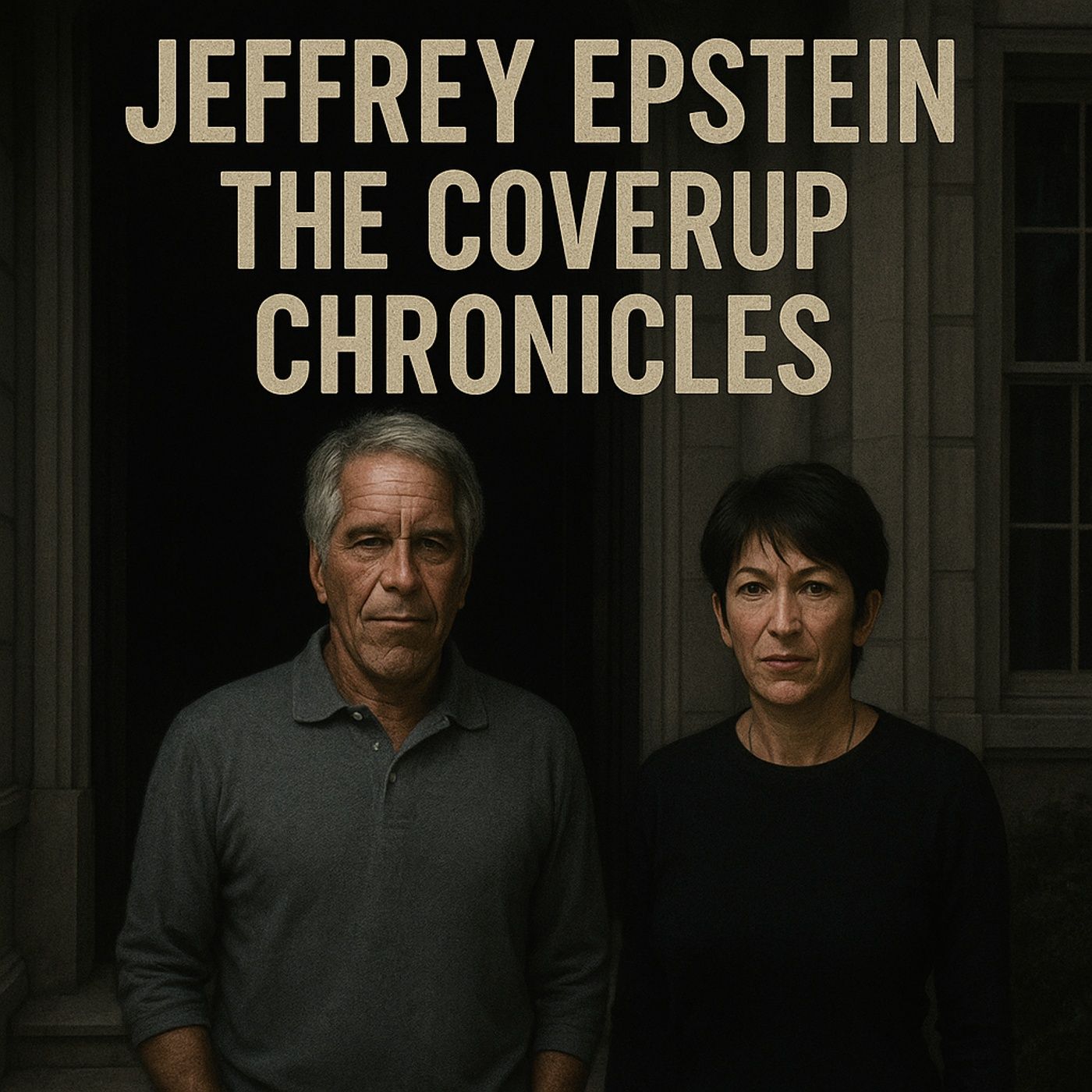
Jeffrey Epstein: The Coverup Chronicles
Mega Edition: The Deal That Should Have Never Been Given To Epstein (9/14/26)
Jeffrey Epstein’s 2007 non-prosecution agreement ran against the grain of how the Justice Department ordinarily handles a wealthy, repeat sexual predator facing serious federal exposure. Federal prosecutors had developed evidence involving dozens of underage girls and had prepared for a potentially substantial federal prosecution, yet instead of indicting Epstein, forcing him to plead to federal charges or requiring meaningful cooperation against others, the Southern District of Florida agreed not to prosecute him federally if he pleaded to comparatively minor state charges. The deal was negotiated in secret, kept from the victims and structured so Epstein served a remarkably lenient county-jail sentence with extensive work-release privileges. DOJ’s own prosecution principles say non-prosecution agreements should not be used routinely or indiscriminately and generally contemplate them as tools to obtain necessary cooperation from someone whose assistance serves the public interest. Epstein, by contrast, was the central target of the investigation, not a lower-level participant being flipped against someone more culpable. Years later, DOJ’s Office of Professional Responsibility concluded that then-U.S. Attorney Alexander Acosta exercised poor judgment in resolving the federal investigation through the NPA and that Epstein’s victims were not treated with the forthrightness and sensitivity expected of federal prosecutors. The agreement became even more extraordinary because prosecutors also promised not to prosecute Epstein’s “potential co-conspirators,” language broad enough to become the subject of years of litigation. DOJ guidance specifically warns prosecutors to exercise extreme caution so that a non-prosecution agreement does not confer blanket immunity, yet Epstein’s deal extended protection beyond Epstein to unnamed third parties without the kind of documented cooperation bargain normally associated with such extraordinary protection. The later OPR investigation found that the language had expanded during negotiations with Epstein’s lawyers with surprisingly little internal analysis; one prosecutor essentially concluded that the broader provision did not hurt the government. OPR did not find professional misconduct or evidence that prosecutors deliberately wrote the clause to protect famous or politically connected associates, but it criticized Acosta for approving the agreement without adequately considering its potential consequences. That is what made the NPA so difficult to square with ordinary federal practice: the government had a wealthy defendant accused of serially abusing minors, substantial evidence, multiple victims and possible co-conspirators, yet the end product was a secret agreement that shut down the federal case, protected Epstein from prosecution, extended protection to others and excluded the victims from the process almost entirely. to contact me: bobbycapucci@protonmail.com
