
Oct 29, 20261h 1m
Following our special series, Emergency Exit, this episode of History Lab looks at what happened to those who didn't escape Nazi persecution in Europe in the 1930s and '40s. Historian Nadia Wheatley's Strange New World...


History Lab || exploring the gaps between us and the past || This series is made in collaboration by the Australian Centre for Public History and Impact Studios at the University of Technology, Sydney.
Required Pod Score for this podcast. PitchCentric checks your profile against host openness, topical fit, and audience signals before you generate a pitch.
Contact path
Verified email
Booking probability
33%
Guest openness
Selective
Sign up to generate a grounded pitch for History Lab.
Signup to Generate a PitchHistory Lab || exploring the gaps between us and the past || This series is made in collaboration by the Australian Centre for Public History and Impact Studios at the University of Technology, Sydney.
Recent episodes include "Strange New World: Bergen-Belsen after liberation" (29 October 2026, 61 minutes), "Scholars at Risk | Emergency Exit Bonus 2" (15 October 2026, 37 minutes), and "Bureaucratic violence today: an interview with Josh Bornstein | Emergency Exit Bonus 1" (15 October 2026, 25 minutes).
History Lab publishes roughly every two weeks, with episodes averaging 39 minutes.
Booking probability for History Lab is 33%, and the host is rated Selective on guests. History Lab requires a Pod Score of 80 or higher. History Lab's contact route on record: verified email.
History Lab is an education podcast.
Our AI reads these to draft pitches. Use them as grounding for a pitch that cites a real guest and a specific topic.
Following our special series, Emergency Exit, this episode of History Lab looks at what happened to those who didn't escape Nazi persecution in Europe in the 1930s and '40s. Historian Nadia Wheatley's Strange New World...
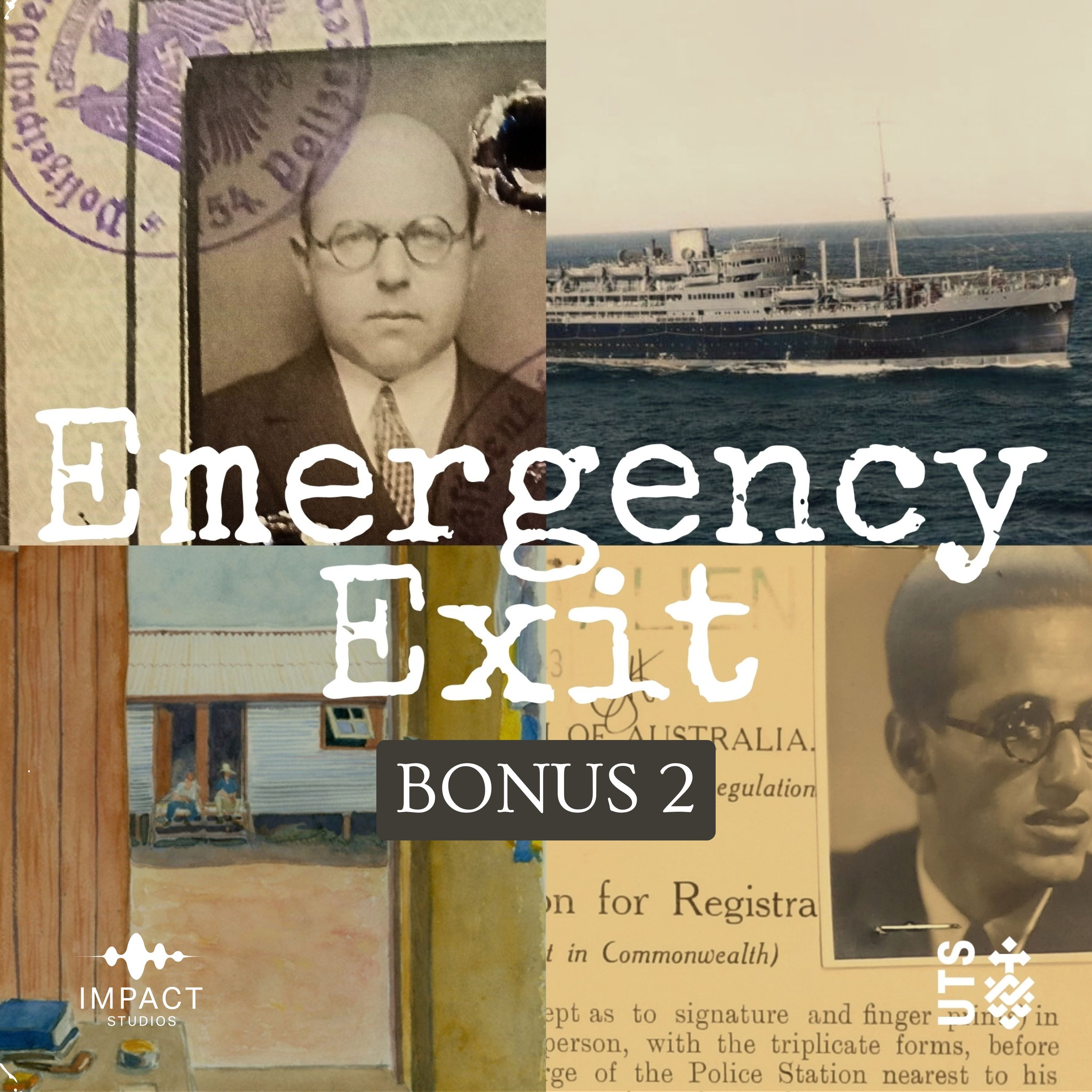
In this bonus episode, Ana Filipa Vrdoljak speaks with Rob Quinn, executive director of Scholars at Risk, about the international network's work protecting the human rights of threatened scholars and defending academic...

In this bonus episode, employment and human rights lawyer Josh Bornstein talks with Katherine Biber about the family history that shaped his career. Bornstein's grandparents left Poland in 1933 hoping to escape, finally...
History Lab
Coming October 1st - this special History Lab series explores the stories of European refugees who escaped Nazi persecution, only to confront new forms of exclusion through Australia’s legal and bureaucratic systems...
How do you tell the story of a "warrior" without flattening him into myth? That question sits at the heart of this episode, as historian Naomi Parry Duncan talks with writer Delia Falconer about her new biography of...

Wikipedia doesn't set out to play favourites. But when a made-up Melbourne suburb has more history than real Australian places, something is shaping what gets written. Who - or what - decides which Australian places...

Environmental history in Australia has moved from the margins to something close to the centre of the discipline — but the path there was longer and less obvious than it might appear. Jarrod Hore and Nancy Cushing map...
In this episode of Field Notes, historians Sophie Loy-Wilson and Mei-fen Kuo trace their paths into Chinese Australian history — one drawn by questions of racism and resistance, the other by the discovery of...

Military history in Australia carries a weight that few other subfields do — it sits at the intersection of popular memory, national identity, and institutional commemoration in ways that make it both unusually...
Feminist history in Australia grew out of the women’s liberation movement and the theoretical challenge it posed to what counted as a proper subject for historical inquiry. Marilyn Lake and Clare Corbould trace that...
What does decolonisation mean as a field of historical inquiry — and what does it demand of the historians who work in it? Jon Piccini and Angela Woollacott approach these questions from different generations and...
Before social media, before streaming, before algorithms decided what you'd hear next, Sydney had the street press — and the street press had the Hopetoun Hotel. In this episode, State Library Fellow Dr Liz Giuffre...
What made Australia's fringe cultural scene so generative in the 1980s — and what can it teach us about sustaining creative industries today? Tony Moore and Mark Gibson, co-authors with Chris McAuliffe and Maura Edmond)...
What happens to women's art when the world stops looking? That's the question at the heart of A Woman's Eye: Her Art , Drusilla Modjeska's book about a century of women artists who made radical, visionary work — and...
In this episode of History Lab Live , we revisit a remarkable moment in Australian history: the 1960 visit of Paul Robeson and his wife, Eslanda Robeson . Paul Robeson was one of the most famous voices in the world — a...
Episode #46
In this episode from History Lab's archive, we stay in Darlinghurst with the award winning Red Light Green Light story from our Listen to Darlinghurst series. Going back to the street corners and safe houses where sex...
In this bonus episode, History Lab's Tamson Pietsch speaks with historian Leigh Boucher about the making of Darlinghurst's AIDS Crisis — our three-part History Lab series exploring one of the most intense and...
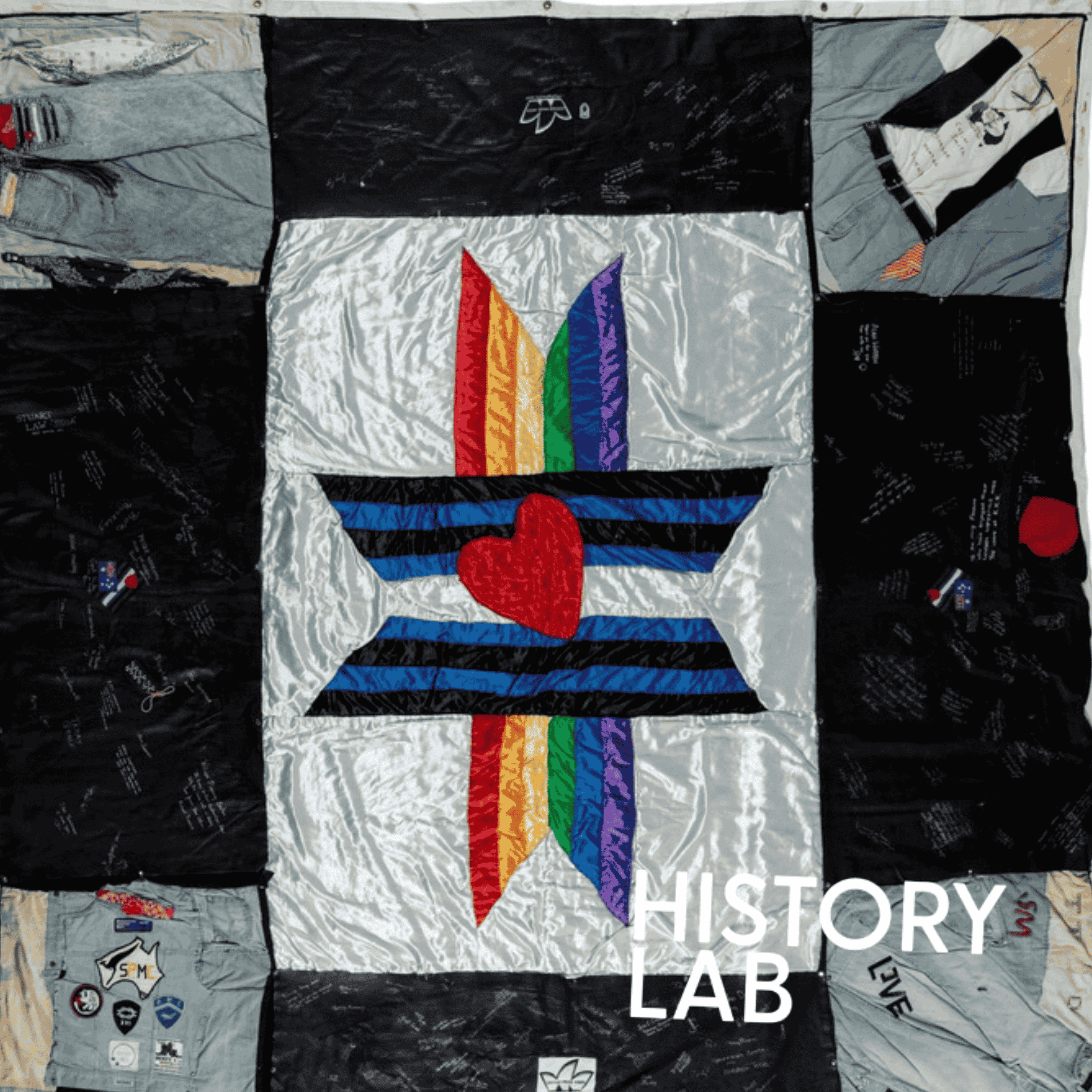
By the early 1990s, AIDS had reached its devastating peak in Darlinghurst. Obituaries filled the pages of the Star Observer , funerals became routine. Sickness and loss touched almost every friendship and street in the...
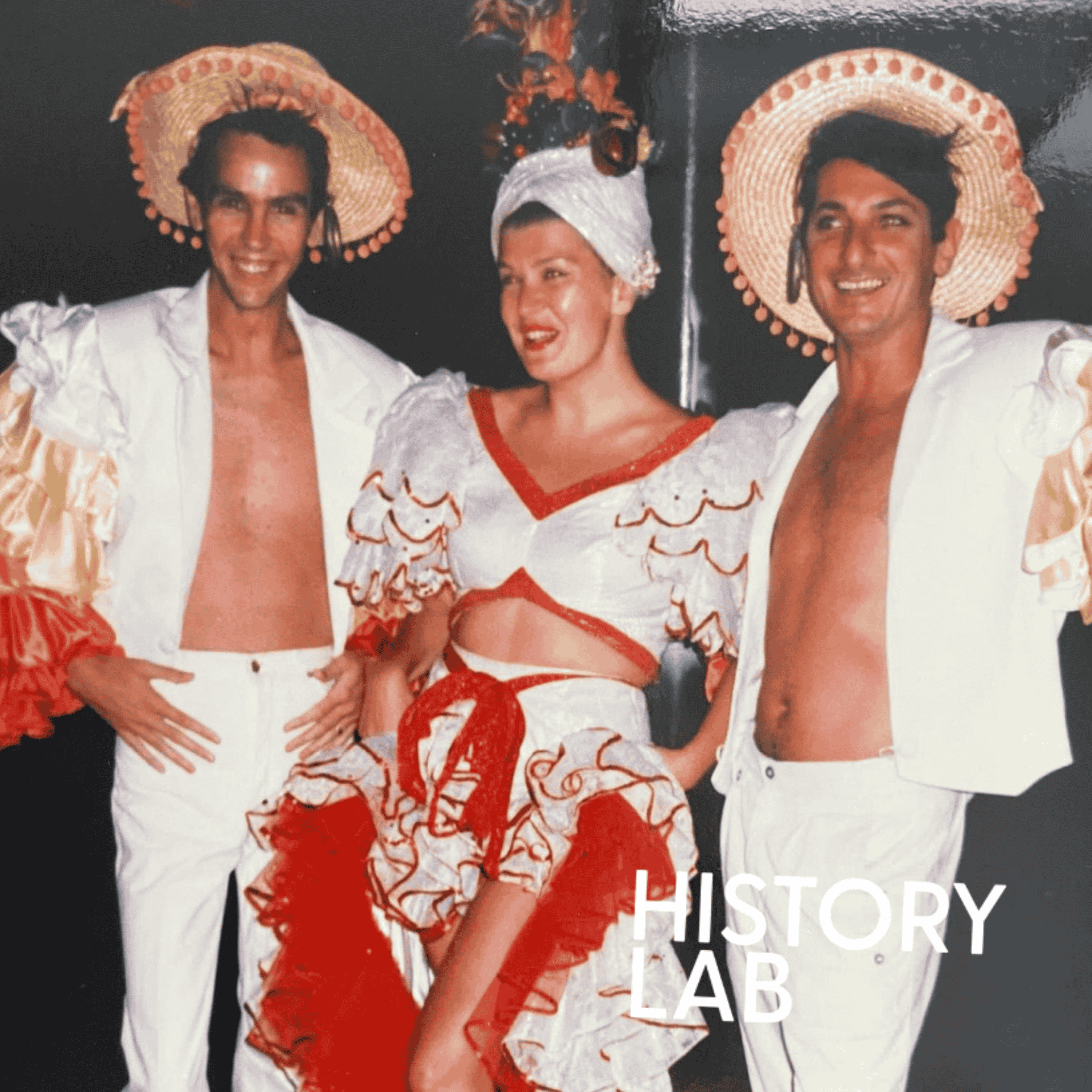
By the mid-1980s, the epidemic had taken hold in Darlinghurst. Fear was rising, homophobia was intensifying, and uncertainty shaped everyday life. Who had the virus? What did a positive test mean? And could the state be...
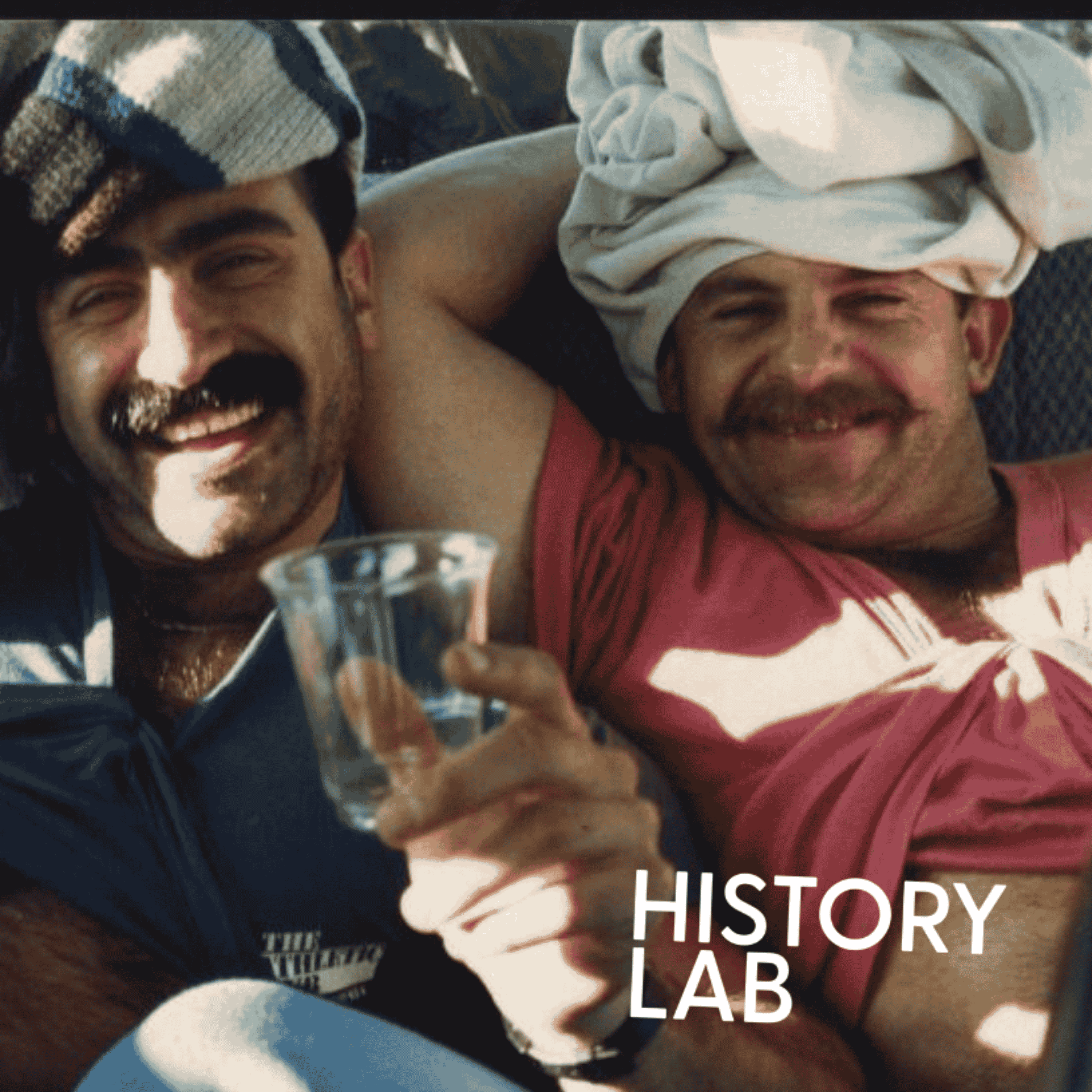
In the late 1970s and early 80s, Sydney’s Darlinghurst was the place to be for queer fun, sex and joy – all bubbling alongside a measure of danger. Packed bars, late-night gyms, house music, new friendships and the...
Recent guests on History Lab. Study who booked and why before you pitch.
ARC Future Fellow and Professor in the School of Communication, Willowbrooke Psychiatric Center
Senior Lecturer in Digital Studies, University of Melbourne
founder of CNBC and MSNBC, and former president of TiVo, Australian Electoral Commission
Head of the Teagasc Outreach & Innovation Department, Teagasc Outreach & Innovation Department
Based on semantic analysis of episode topics and host coverage, this podcast is a strong guest fit for executives in:
Industry fit is computed by PitchCentric using vector embeddings of the podcast's episode catalog.
Shows with the most semantically similar episode content. Pitch one, pitch all; producers cluster.
Is this podcast yours and you'd like to remove or correct details? Request removal or email privacy@pitchcentric.com.
Questions about the free trial? See the pricing FAQ


