Episode #27
McCarthyism Explained: The Red Scare & Why It Still Matters
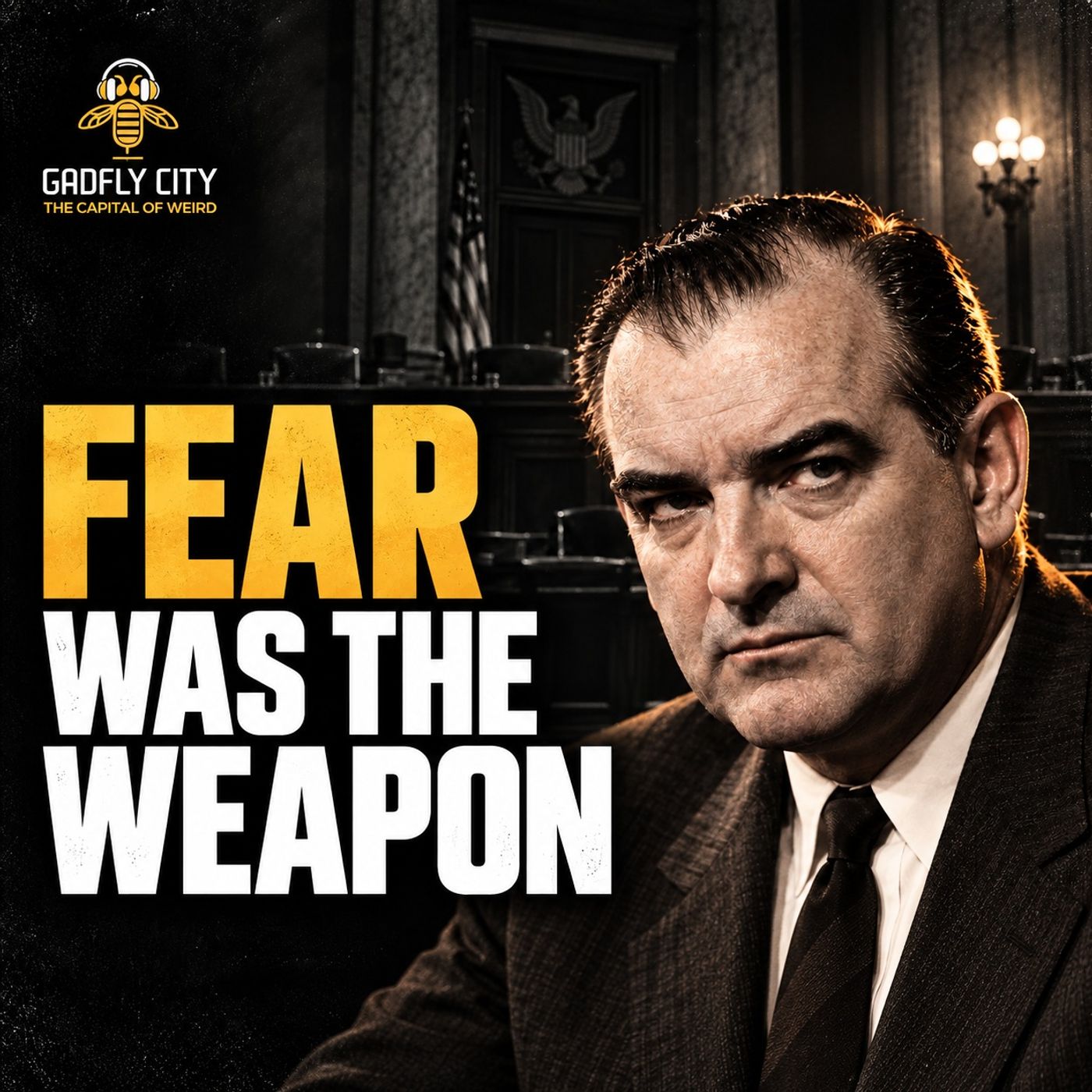
How did fear of communism become one of the most powerful political forces in American life? In this episode of Gadflies Through History , Billy O’Brien explores the rise of McCarthyism and the Second Red Scare. After World War II, tensions between the United States and Soviet Union were growing rapidly. Soviet espionage cases, the spread of communist governments abroad and the beginning of the Cold War contributed to intense fears about communist influence inside the United States. Into that atmosphere stepped Wisconsin Senator Joseph McCarthy . McCarthy gained national attention in 1950 after claiming that communists had infiltrated the U.S. government. His accusations helped make him one of the most recognizable figures of the Red Scare. But McCarthyism was bigger than McCarthy himself. Congressional investigations, loyalty programs and blacklists affected government employees, academics, union members, writers and entertainers. Hollywood became one of the most famous battlegrounds as people were questioned about their political beliefs and associations. Some refused to cooperate. Others invoked constitutional protections. Many discovered that even being accused could damage a career. This episode examines: How the Second Red Scare began Why Americans feared communist infiltration Joseph McCarthy’s rise to national prominence HUAC and congressional investigations The Hollywood blacklist The First and Fifth Amendments during congressional hearings The Army-McCarthy hearings Joseph Welch’s confrontation with McCarthy McCarthy’s eventual Senate censure Why the word “McCarthyism” still survives today The episode also looks at an important distinction. Soviet espionage against the United States was real, but the existence of genuine security concerns did not establish the accuracy of every accusation made during the Red Scare. Historians continue to examine how legitimate Cold War security concerns became intertwined with political pressure, unsupported allegations and restrictions on civil liberties. Gadfly City By 1954, the nationally televised Army-McCarthy hearings had exposed McCarthy’s methods to a huge audience, and the Senate censured him later that year. Gadfly City How much freedom should a society sacrifice when it believes it is under threat? And what happens when simply being accused becomes enough to destroy someone? Meet the people, politicians and rebels who shaped one of the most controversial periods in modern American history. Follow us and fly away. Sources & Further Reading United States Senate Joseph McCarthy and the Army-McCarthy Hearings United States Senate The Censure Case of Joseph McCarthy of Wisconsin U.S. Constitution Annotated Fifth Amendment and protection against compelled self-incrimination Supreme Court of the United States Watkins v. United States Quinn v. United States Emspak v. United States Slochower v. Board of Higher Education For example, Supreme Court cases during the period helped clarify constitutional limits on congressional investigations and protections available to witnesses. Gadfly City Gadfly City Website https://www.gadflycity.com Subscribe https://www.gadflycity.com/subscribe YouTube https://www.youtube.com/@GadflyCity Watch this episode on YouTube https://youtu.be/ncCz4FWN0zk Apple Podcasts https://podcasts.apple.com/gb/podcast/gadfly-city/id1891089592 Spotify https://open.spotify.com/search/Gadfly%20City Instagram https://www.instagram.com/thegadflycity/ Follow Billy O’Brien https://www.instagram.com/chibillyobrien/ Hosted by Billy O’Brien Produced by Liman Hossain