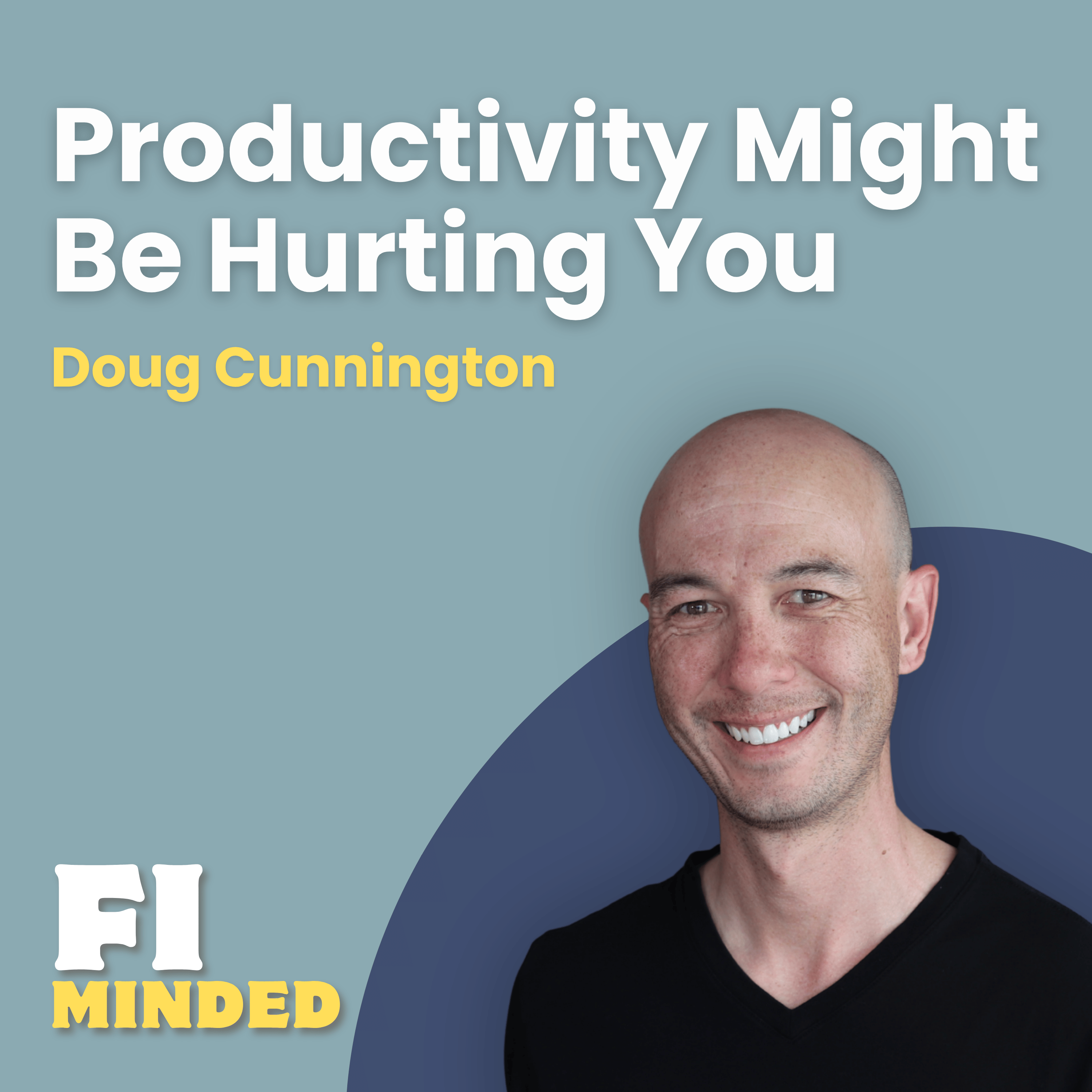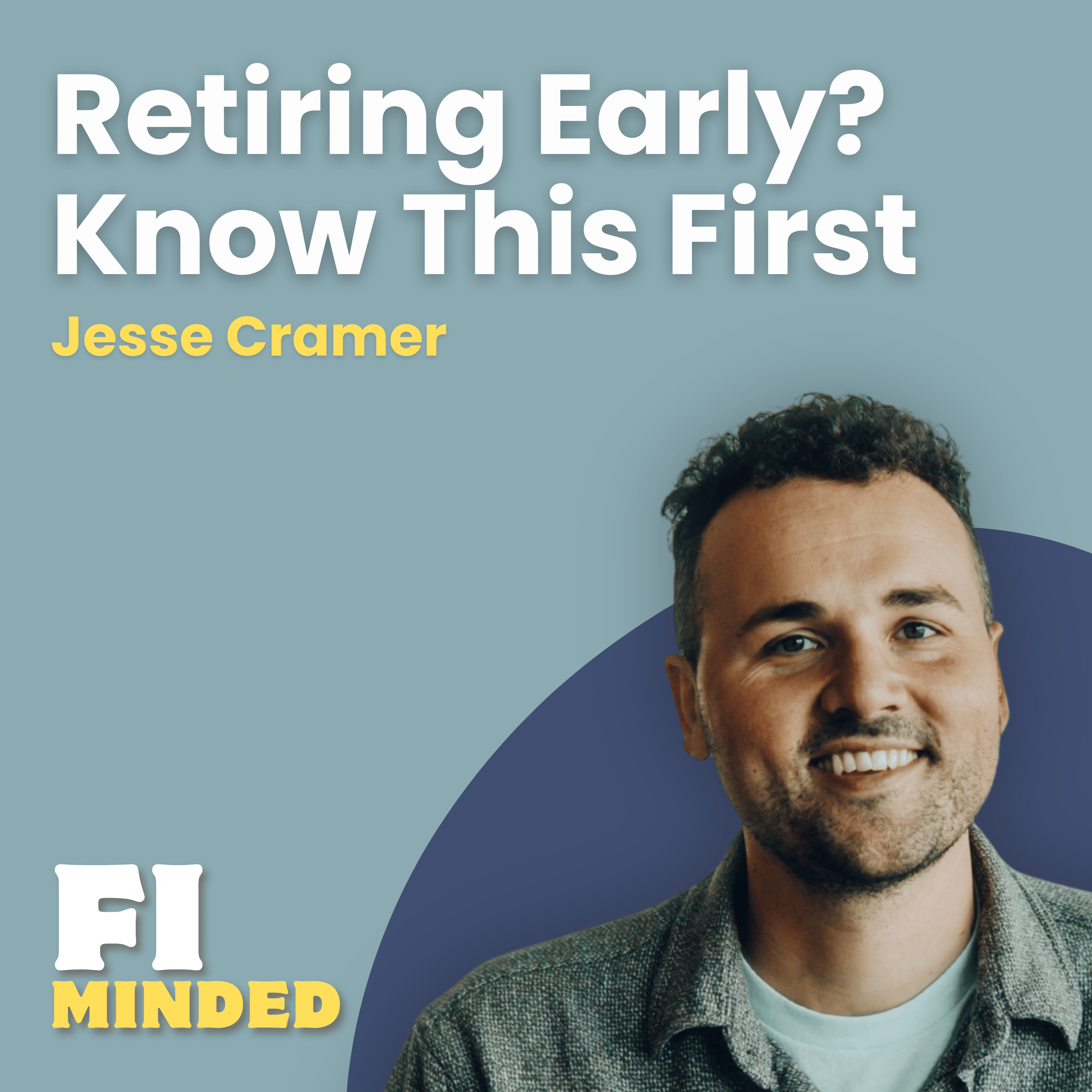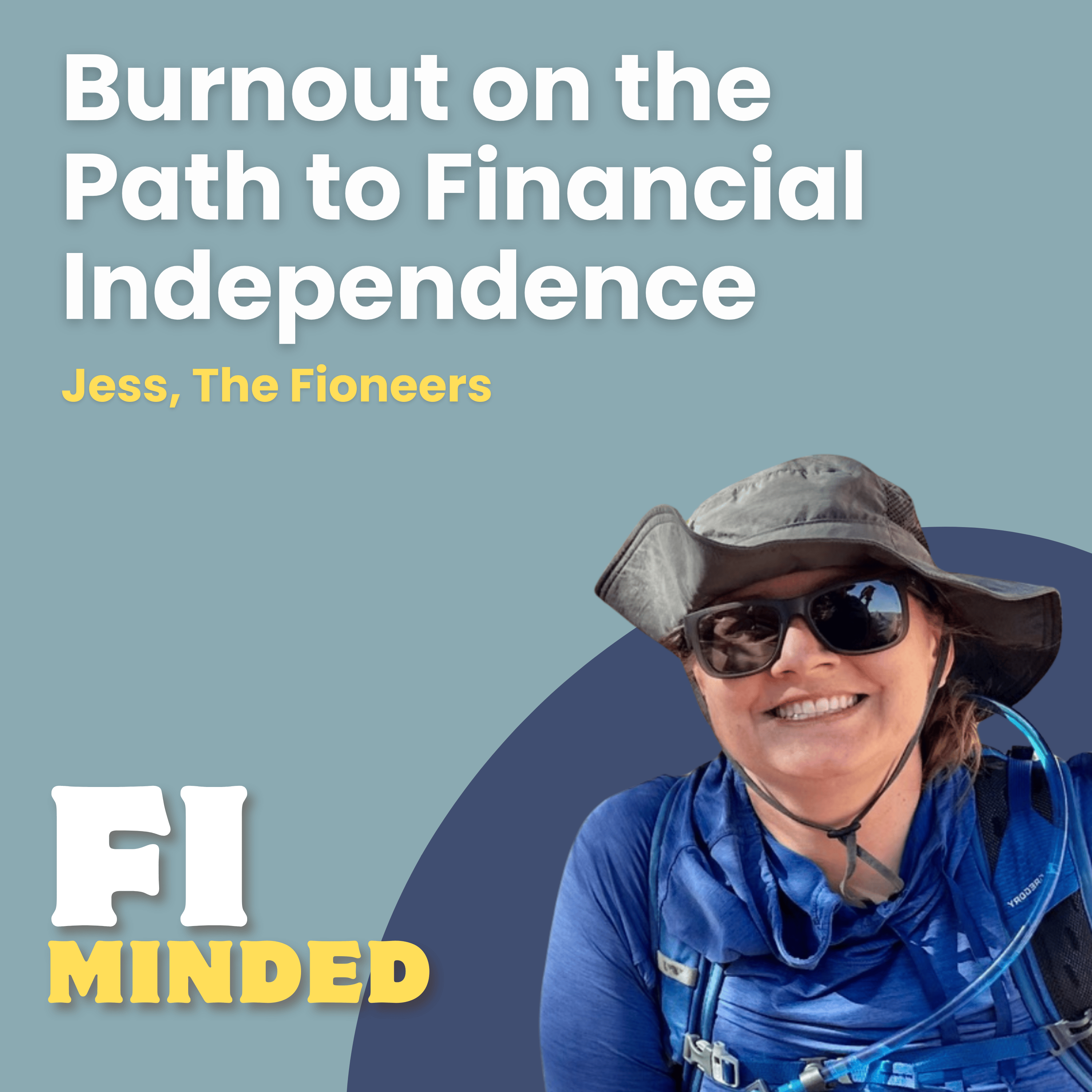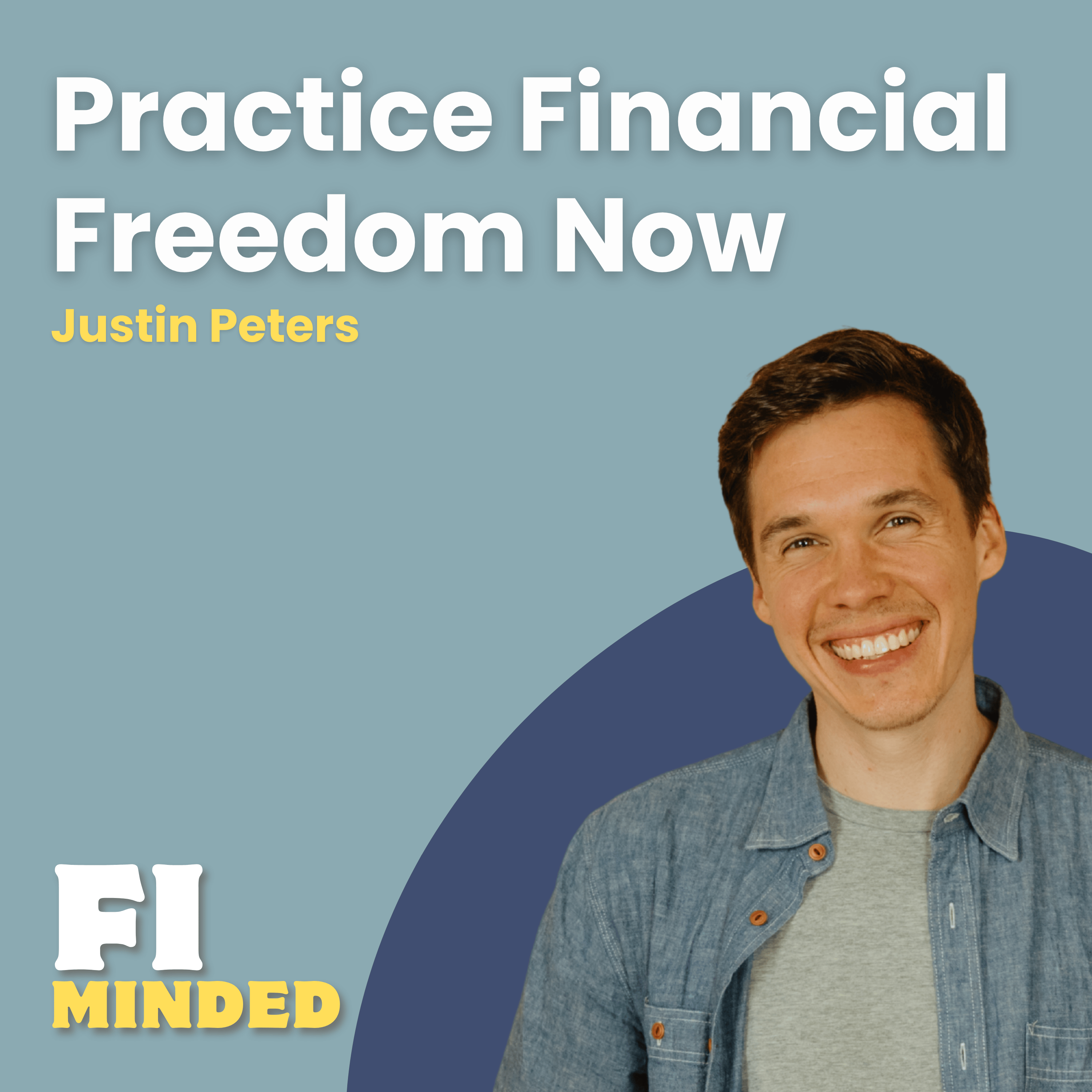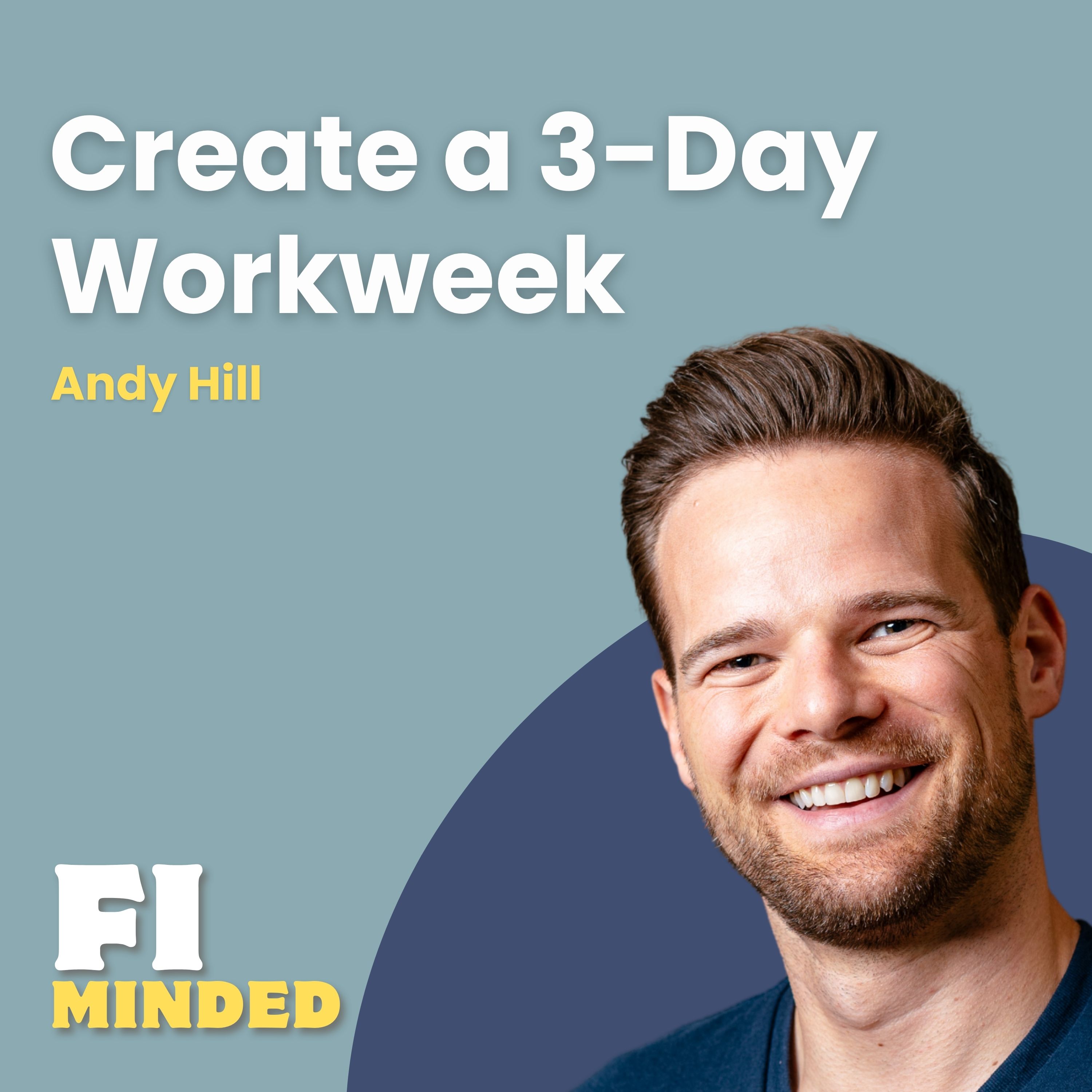
Pursuing financial freedom, a work-optional lifestyle, or early retirement often leads to the same questions: “one more year,” “do I have enough?” “what does life actually look like after this?” FI Minded helps you think like someone who’s already financially independent so you can make smarter decisions about how you work, spend, and live. From Coast FI and Slow FI to lifestyle design, career transitions, healthcare, and self-employment, each episode explores the real decisions behind building a flexible, work-optional life…without burnout, over-optimization, or missing out along the way. We cover: * Smarter ways to reach financial independence (without burnout) * Designing a flexible, work-optional lifestyle * Coast FI, Slow FI, and enjoying your time along the way * What life actually looks like after FI (and how to prepare for it) * The tradeoffs behind big money decisions Make progress toward financial independence while actually living your life. Some of our past guests include Carl Jensen (1500 Days), Jeremy Schneider (Personal Finance Club), Nick Loper (Side Hustle Show), Andrew Giancola (The Personal Finance Podcast), Jordan Grumet (Earn & Invest), Rachael Camp (Work Optional), Jillian Johnsrud (Retire Often), Sean Mullaney (FI Tax Guy), Jill Sirianni (Frugal Friends), Jackie Cummings-Koski (Catching Up to FI), Joel Larsgaard (How to Money), Cody Garrett (Measure Twice), Jesse Cramer (Personal Finance for Long-Term Investors), Jess (The Fioneers), Chris Hutchins (All The Hacks), Diania Merriam (EconoMe), Andy Hill (Marriage Kids Money), Fritz Gilbert (Retirement Manifesto), and and others helping you rethink how to approach financial independence.
Pitch Analysis
Required Pod Score for this show. PitchCentric checks your profile against host openness, topical fit, and audience signals before you generate a pitch.
Contact path
Verified email
Booking probability
35%
Guest openness
Selective
Verified email on file
80/100
Required Score
Sign up to generate a grounded pitch for FI Minded - Financial Independence Without the Extremes.
What is FI Minded - Financial Independence Without the Extremes?
FI Minded - Financial Independence Without the Extremes is a business podcast hosted by Unknown Host, with 0 episodes on record and a Required Pod Score of 80. PitchCentric scores this show on Booking Probability, Listen Score, and live audience signals refreshed every 24 hours.
About the host
Unknown Host hosts FI Minded - Financial Independence Without the Extremes, a business show with 0 episodes published.
Our AI reads these to draft pitches. Use them as grounding for a pitch that cites a real guest and a specific topic.
Episode #205
The Missing Piece of the FIRE Formula | E205 Brian Herriot
Sep 9, 202632 min
For decades, the formula for financial independence has been remarkably simple: earn more, spend less, invest the difference, and build a portfolio large enough to cover your expenses forever. It's a strategy that's helped thousands of people retire years, even decades, earlier than traditional retirement. But what if there's another way to create freedom? Instead of replacing 100% of your income with investments, what if you also redesigned your work so you actually wanted to keep doing it? In this episode, I sit down with Brian Herriot, author of Time Freedom, to explore why flexible work may be the missing piece of the FIRE formula. Brian introduces his Time Freedom Formula, explains why meaningful work doesn't have to end at retirement, and shares a practical roadmap for building a lifestyle business that creates income, flexibility, and purpose. Whether you're pursuing Coast FI, full FIRE, or simply looking for more control over your time, this conversation will challenge how you think about work and help you discover another path to freedom. Key Takeaways: Discover the missing third lever of financial independence Learn how flexible work creates freedom before full FIRE Understand Brian's Time Freedom Formula Explore lifestyle businesses that prioritize freedom over growth Build work you enjoy instead of escaping work entirely Other Episodes You’ll Love: How to Reach Financial Independence in 10 Years | E201 Chris Luger Retiring Before 50? Here’s What You Need to Know | E196 Jesse Cramer Tiny Quits That Build Toward Full FI | E194 Jess, The Fioneers Guest Summary: Brian Herriot is an entrepreneur, speaker, and author of Time Freedom. After questioning the traditional path to financial independence, Brian developed a framework that combines investment income with flexible work to create meaningful freedom sooner. Through his writing and financial planning, he helps people build lifestyle businesses and redesign their careers so they can enjoy more flexibility, purpose, and control over their time long before traditional retirement. Connect With Justin Email me at Justin@FIMinded.com or connect with me on LinkedIn . Support FI Minded Want to hear more? Follow FI Minded on your favorite podcast player. Like this episode? Share it with a friend pursuing financial independence. Love the show? Say thanks by leaving a positive review.
Why Freedom Needs Structure in Early Retirement | E204 Maggie Tucker
Aug 26, 202643 min
For years, financial independence feels like the answer. No more alarms. No more asking permission for vacation. No more meetings that could have been an email. But what happens when you finally get everything you worked for? Maggie Tucker retired at 41 expecting money and identity to be the biggest adjustments. Instead, she discovered something she never anticipated: freedom without structure can leave you feeling surprisingly lost. After decades of living by deadlines, calendars, and expectations from other people, early retirement requires an entirely different skill—learning how to create purpose, rhythm, and meaning on your own. In this conversation, Maggie shares what she's learned during four years of early retirement, why she believes freedom works best with a framework, and how simple practices like hobbies, community, and "Adventure Days" can make life after FIRE far more fulfilling. Whether you're years away from financial independence or already work-optional, this episode will help you prepare for the part of FIRE that no spreadsheet can predict. Key Takeaways: Learn how to create structure after leaving full-time work Avoid the hidden challenges many early retirees experience Build habits that make freedom feel meaningful Create purpose without relying on work for identity Practice retirement skills before reaching your FI number Other Episodes You’ll Love: What 200 Episodes Taught Me About Financial Independence | E200 Joe Saul-Sehy When Productivity Becomes the Problem | E199 Doug Cunnington How to Create a 3-Day Workweek (Before You Reach FI) | E187 Andy Hill Guest Summary: Maggie Tucker retired at 41 after reaching financial independence with her husband in 2022. Through her podcast, Inside Out Money, she shares honest reflections on life after FIRE, exploring topics like purpose, structure, identity, and how to build a fulfilling life once work is optional. Her work encourages future retirees to prepare not just financially, but emotionally, for the transition into early retirement. Connect With Justin Email me at Justin@FIMinded.com or connect with me on LinkedIn . Support FI Minded Want to hear more? Follow FI Minded on your favorite podcast player. Like this episode? Share it with a friend pursuing financial independence. Love the show? Say thanks by leaving a positive review.
Fast-Track Your Way to Financial Independence With This Plan | E203 Cody Berman
Aug 12, 202632 min
The Slow FI movement has changed the way many of us think about financial independence. Instead of rushing to the finish line, more people are prioritizing balance, flexibility, and enjoying life along the way. But what if you're in a season where you actually want to accelerate? Maybe you're motivated to leave a stressful job, create more options for your family, or simply reach financial independence sooner. The question becomes: how do you speed things up without sacrificing everything that makes the journey worthwhile? In this episode, I sit down with Cody Berman, entrepreneur, real estate investor, and author of Retire by 30, to explore the biggest levers that can dramatically shorten your path to financial independence. Together they discuss the two primary approaches to FI, why increasing your income often matters more than cutting another expense, and how Cody earned more than $400,000 in a single year while intentionally keeping his lifestyle simple. Whether you're just starting your FI journey or looking for ways to shave years off your timeline, this conversation will help you identify the strategies with the biggest impact. Key Takeaways: Learn the biggest levers that accelerate financial independence Decide whether entrepreneurship fits your FI strategy Discover why income often matters more than frugality Build wealth faster without inflating your lifestyle Find the right balance between speed and sustainability Other Episodes You’ll Love: How to Reach Financial Independence in 10 Years | E201 Chris Luger Retiring Before 50? Here’s What You Need to Know | E196 Jesse Cramer Tiny Quits That Build Toward Full FI | E194 Jess, The Fioneers Guest Summary: Cody Berman is an entrepreneur, real estate investor, and co-host of The FI Show podcast. He achieved financial independence at a young age by combining entrepreneurship, strategic investing, and intentional spending. Cody is also the author of Retire by 30, where he shares practical strategies to help people accelerate their path to financial independence while building a life they enjoy along the way. Connect With Justin Email me at Justin@FIMinded.com or connect with me on LinkedIn . Support FI Minded Want to hear more? Follow FI Minded on your favorite podcast player. Like this episode? Share it with a friend pursuing financial independence. Love the show? Say thanks by leaving a positive review.
How Many Years of Freedom Does Your Car Cost? | E202 Hanna Horvath
Jul 29, 202634 min
Most people can quickly tell you what they love spending money on: travel, concerts, hobbies, or trying new restaurants. But almost no one gets excited about paying for their car. Yet transportation is one of the biggest expenses most households have. Between car payments, insurance, fuel, maintenance, and depreciation, the average American spends more than $11,000 each year to own and operate a vehicle. For many families, that's over $20,000 annually going toward something that often feels more like a necessity than a choice. In this episode, I sit down with Hanna Horvath from Your Brain on Money to explore what our cars are really costing us (and not just financially). We discuss practical ways to reduce transportation expenses, whether you decide to go car-free, become car-lite, or simply make smarter decisions about the vehicle you already own. Along the way, they examine how America's car-centric culture shapes our spending, our communities, and even our relationships. If you've ever wondered how much faster you could reach financial independence by spending less on transportation, this conversation may completely change how you think about your next car. Key Takeaways: The expense quietly delaying your path to FI Why your "dream neighborhood" may cost less overall The surprising math behind owning two cars How much freedom cheaper transportation can buy Why going car-free isn't the only smart option The hidden costs of driving beyond your budget Why America's car culture feels impossible to escape Other Episodes You’ll Love: What Our Wedding Taught Us About Money | E197 Gaby Deimeke The Emotional Cost of Ignoring Burnout While Pursuing FI | E193 Jess, The Fioneers The Hardest Skill in FI: Knowing When to Stop | E190 Joel Larsgaard Guest Summary: Hanna Horvath is a personal finance journalist, creator of Your Brain on Money , and an advocate for helping people make smarter financial decisions by understanding the psychology behind them. Through her writing and reporting, she explores how our environments, habits, and cultural norms influence the way we spend, save, and build wealth. Her work frequently challenges conventional assumptions about money while offering practical ways to create a life that's both financially healthier and more intentional. Connect With Justin Email me at Justin@FIMinded.com or connect with me on LinkedIn . Support FI Minded Want to hear more? Follow FI Minded on your favorite podcast player. Like this episode? Share it with a friend pursuing financial independence. Love the show? Say thanks by leaving a positive review.
How to Reach Financial Independence in 10 Years | E201 Chris Luger
Jul 15, 202641 min
Most people want to reach financial independence faster. We talk about enjoying the journey, and that matters, but if there’s a way to get there in 10 or 15 years instead of 25, it’s hard to ignore. The question is: what actually moves the needle? In this episode, I sit down with Chris Luger from Heavy Metal Money, who reached financial independence in a decade. But what makes Chris’s story compelling is that he didn’t start with a financial advantage. After a divorce forced him to take ownership of his finances for the first time, he built his FI plan from scratch and executed it quickly. In this conversation, we break down the most impactful levers for accelerating your FI timeline, including increasing income, reducing expenses, and making intentional lifestyle choices. We also explore the tradeoffs that come with moving faster, like balancing enjoyment with optimization, managing risk, and avoiding burnout. If you’re looking to speed up your path to financial independence without sacrificing your quality of life, this episode will give you practical strategies to consider. Key Takeaways: The simple housing move that can shave years off FI Why eating out might be costing more than you think The fastest (and most overlooked) way to boost income How to speed up FI without burning yourself out The tradeoff most people underestimate on the fast path Why saving more isn’t always the best lever The “non-negotiable” expenses worth keeping on any budget Other Episodes You’ll Love: What to Do in Your Final Year Before Retirement | E198 Fritz Gilbert Retiring Before 50? Here’s What You Need to Know | E196 Jesse Cramer How to Create a 3-Day Workweek (Before You Reach FI) | E187 Andy Hill Guest Summary: Chris Luger is the host of the Heavy Metal Money podcast and an advocate for financial independence. Chris built a plan that helped him reach financial independence in about 10 years. Through his content, he shares practical strategies and honest insights on balancing aggressive saving, income growth, and lifestyle design to help others reach FI faster. Connect With Justin Email me at Justin@FIMinded.com or connect with me on LinkedIn . Support FI Minded Want to hear more? Follow FI Minded on your favorite podcast player. Like this episode? Share it with a friend pursuing financial independence. Love the show? Say thanks by leaving a positive review.
Every question we get asked before someone starts their trial.
If you have a concern about deliverability, AI quality, data privacy, or whether this will actually work for your specific situation, it's probably answered below.
What is the difference between Founder Solo and Founder Pro?
Founder Solo gives you 50 AI pitches per month using the credit model (Standard pitches cost 1 credit, Enriched pitches cost 2). Founder Pro raises that to 200 credits per month and adds full Booking Probability access, unlimited Magic Match, Apollo enrichment credits, and data export capabilities. Both plans use the same credit system, so you can stretch your monthly budget further by using Standard-mode drafting.
How do agency tiers work?
Agency tiers have no base fee. You pay per managed client and per talent profile. Agency Standard is $199 per client per month; Agency Pro is $399 per client per month. Both add $39 per talent profile per month. Your own team's user seats are always free.
What is a talent profile?
A talent profile represents one person (founder, executive, or spokesperson) you are booking onto podcasts. It includes their bio, topics, headshots, and outreach history. Team plans include 5 profiles; agency plans are pay-as-you-go.
Can I switch plans later?
Yes, at any time. Upgrades take effect immediately; downgrades apply at the end of the current billing period. Contact support if you need help migrating between plan families.
Do you offer a free trial?
Every paid plan includes a 15-day free trial. Your card is saved at signup but you will not be charged until day 16. Cancel any time from your dashboard.
What happens if I cancel?
You keep access until the end of your current billing period. No charges after that. Your data is retained for 30 days in case you reactivate.
Is the 20% annual discount automatic?
Yes. Select Annual on the pricing toggle and the discounted price is applied automatically at checkout. The annual price shown is the full year cost.
What if I have more than 50 profiles or 20 clients?
That is our Enterprise tier. Contact our sales team and we will build a custom plan with volume pricing, a dedicated account manager, and SLA guarantees.