Episode #50
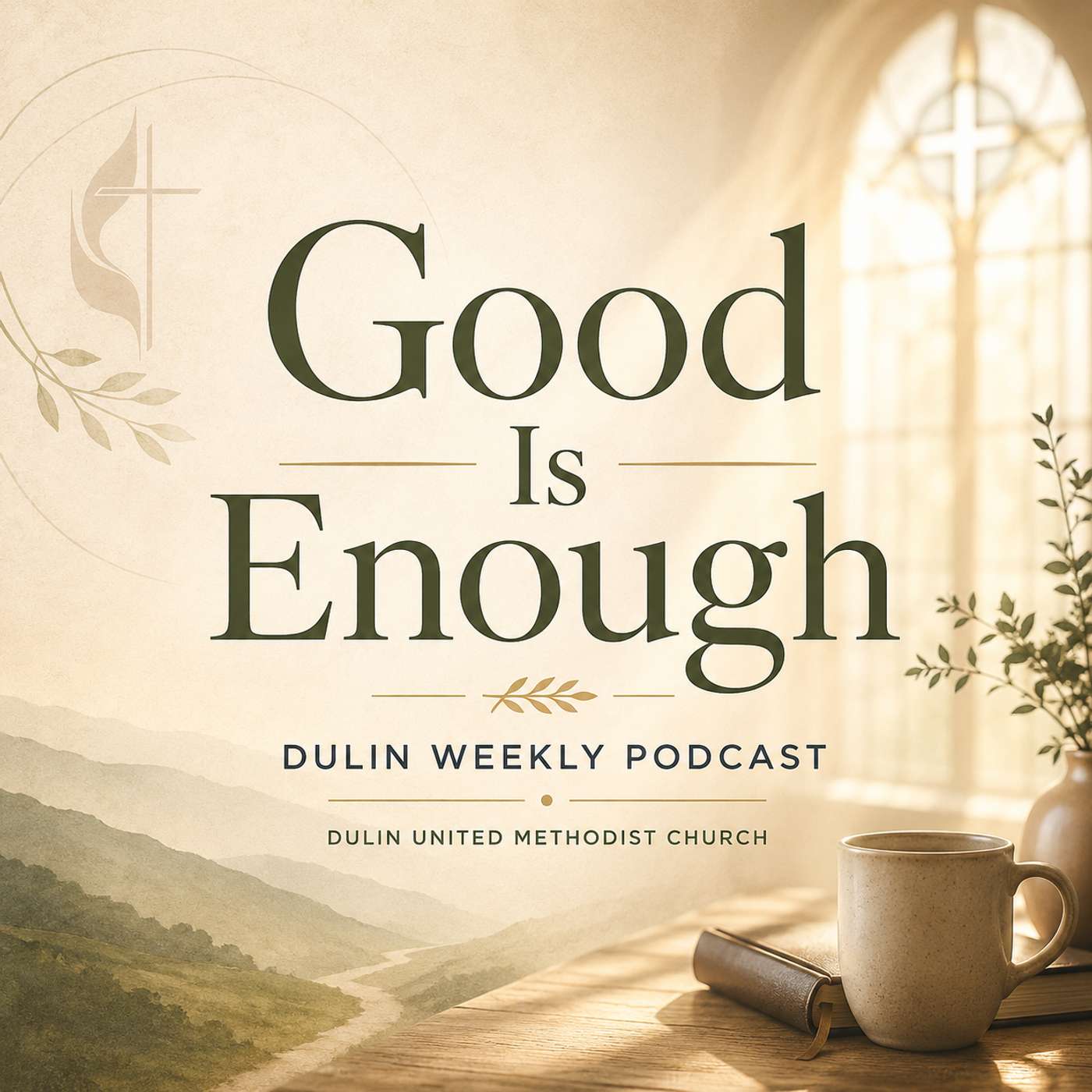
Good Is Enough
In this week's Dulin Weekly Moment, Pastor James Henry gets refreshingly honest: he re-recorded this episode because he wasn't satisfied with his first take — and then caught himself in the very perfectionism he's about to talk about. That moment becomes the doorway into a reflection on one of the most common ways discipleship gets derailed: not by unbelief, but by the paralyzing pursuit of perfect. James points out that Aramaic, the language Jesus actually taught in, has no word for "perfect" in the Platonic sense we've inherited. Instead, it carries ideas of fullness, wholeness, completion, and healing. "Be perfect as God is perfect" may be better heard as "be whole as God is whole." Drawing on the Genesis creation account — where God repeatedly calls creation "good," never "perfect" — and speaking as a self-described "recovering perfectionist," James invites listeners to trade the paralysis of perfectionism for the freedom of doing their best and trusting God to close the gap. He's candid about his own Wesleyan vow toward perfection in love, and why that's a very different thing from flawlessness. If you've ever been stuck reworking something because of one small imperfection, or beaten yourself up for not measuring up to an impossible standard, this episode offers a gentle, theologically grounded permission slip: strive for excellence, but let good be good enough. In This Episode Why James re-recorded this episode — and what that taught him about perfectionism The Aramaic roots of "perfect" — wholeness, fullness, healing, not flawlessness What Genesis 1 actually says about creation (hint: never "perfect") Wesleyan "perfection in love" vs. Platonic perfectionism How perfectionism paralyzes discipleship and service Trusting God to bridge the gap between your best and what's needed An invitation to reach out if perfectionism is something you're wrestling with