Oct 30, 202640 min
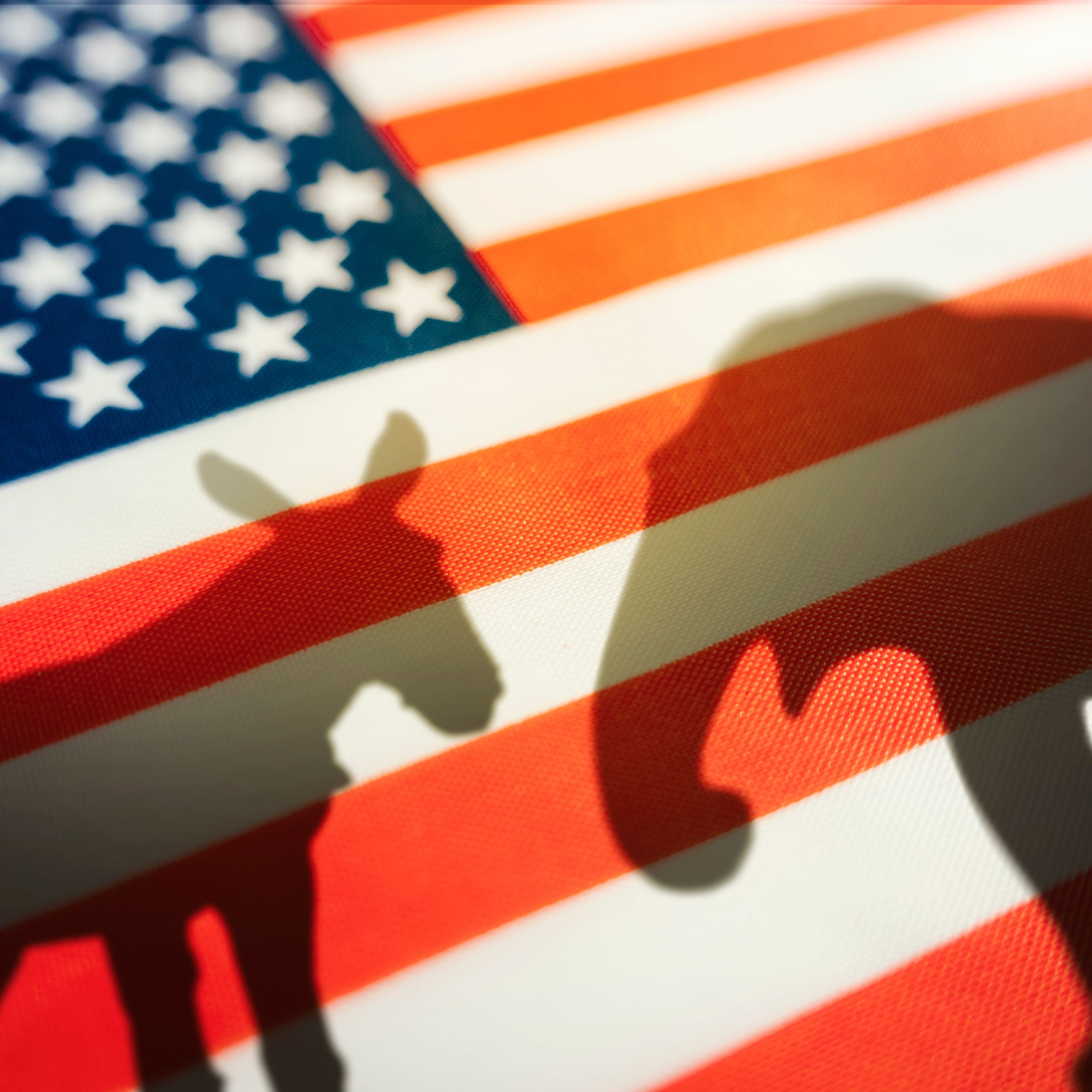
Americans are more politically polarized than at any time since the Civil War. Who we vote for shapes where we live, who our friends are, and even whom we marry. The political party we support seems more central to our...


Conversations with visionary scholars and thinkers from the Harvard PhD community
Required Pod Score for this podcast. PitchCentric checks your profile against host openness, topical fit, and audience signals before you generate a pitch.
Contact path
Verified email
Booking probability
34%
Guest openness
Selective
Sign up to generate a grounded pitch for Colloquy.
Signup to Generate a PitchRecent episodes include "Hate Polarization? Blame It on the Weakness of Our Political Parties" (30 October 2026, 40 minutes), "Why Are We (Still) So Angry About Inflation?" (2 October 2026, 30 minutes), and "The Trauma of Terrorism: How the Attacks of 9/11 Changed Us" (4 September 2026, 34 minutes).
Colloquy publishes roughly monthly, with episodes averaging 28 minutes across 80 episodes.
Booking probability for Colloquy is 34%, and the host is rated Selective on guests. Colloquy requires a Pod Score of 80 or higher. Colloquy's contact route on record: verified email.
The strongest fits for Colloquy are Universities & Colleges. Colloquy has a science audience.
Colloquy is a science podcast with 80 episodes published.
Our AI reads these to draft pitches. Use them as grounding for a pitch that cites a real guest and a specific topic.
Americans are more politically polarized than at any time since the Civil War. Who we vote for shapes where we live, who our friends are, and even whom we marry. The political party we support seems more central to our...

Episode #81
According to a July 2026 survey from the Pew Research Center , 71 percent of Americans are very concerned about the cost of healthcare, 66 percent about the cost of groceries and consumer goods, and 64 percent about...
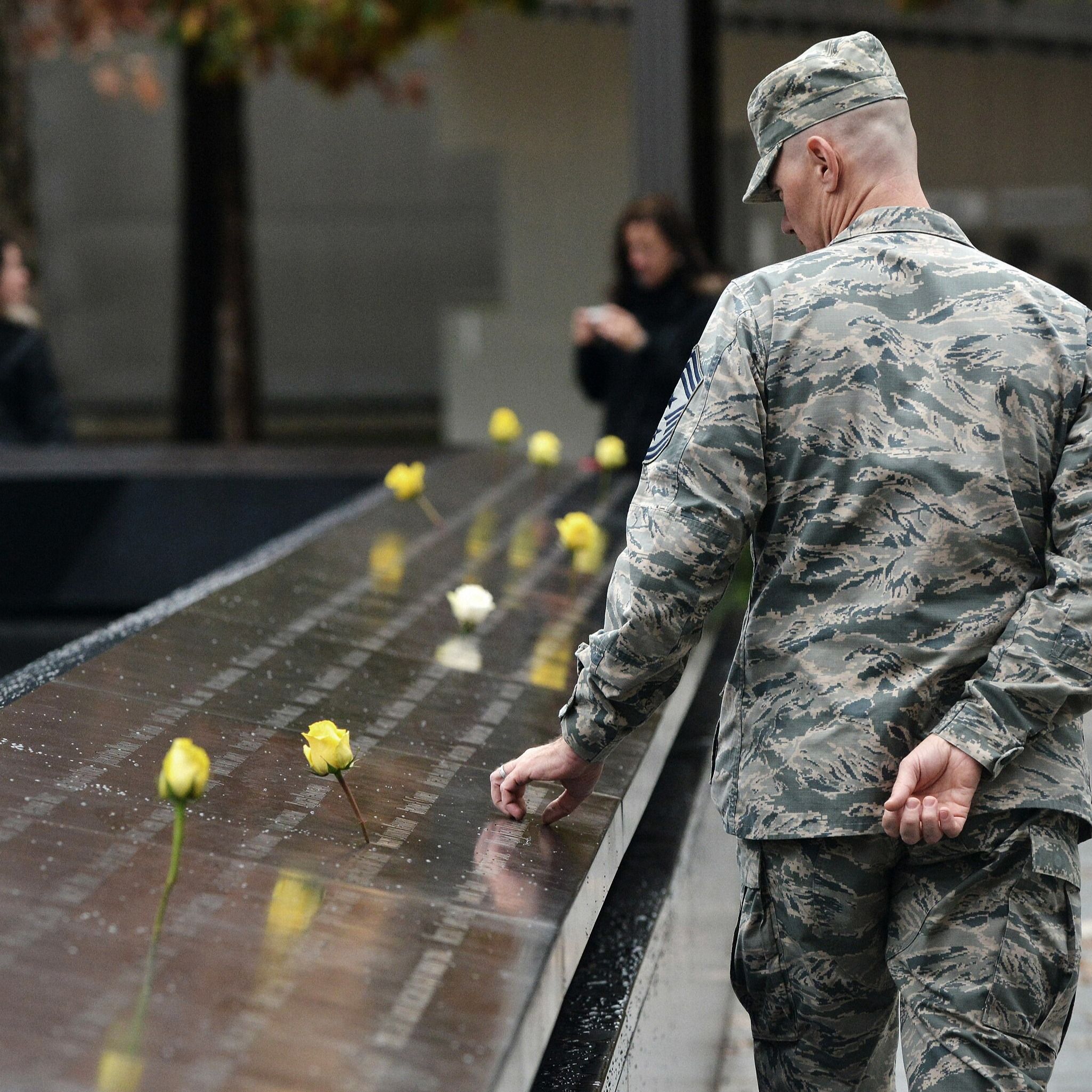
The terrorist attacks of September 11, 2001—along with two long wars in Afghanistan and Iraq—forever shattered Americans' sense of safety and security, particularly for those living in cities like New York, Washington...
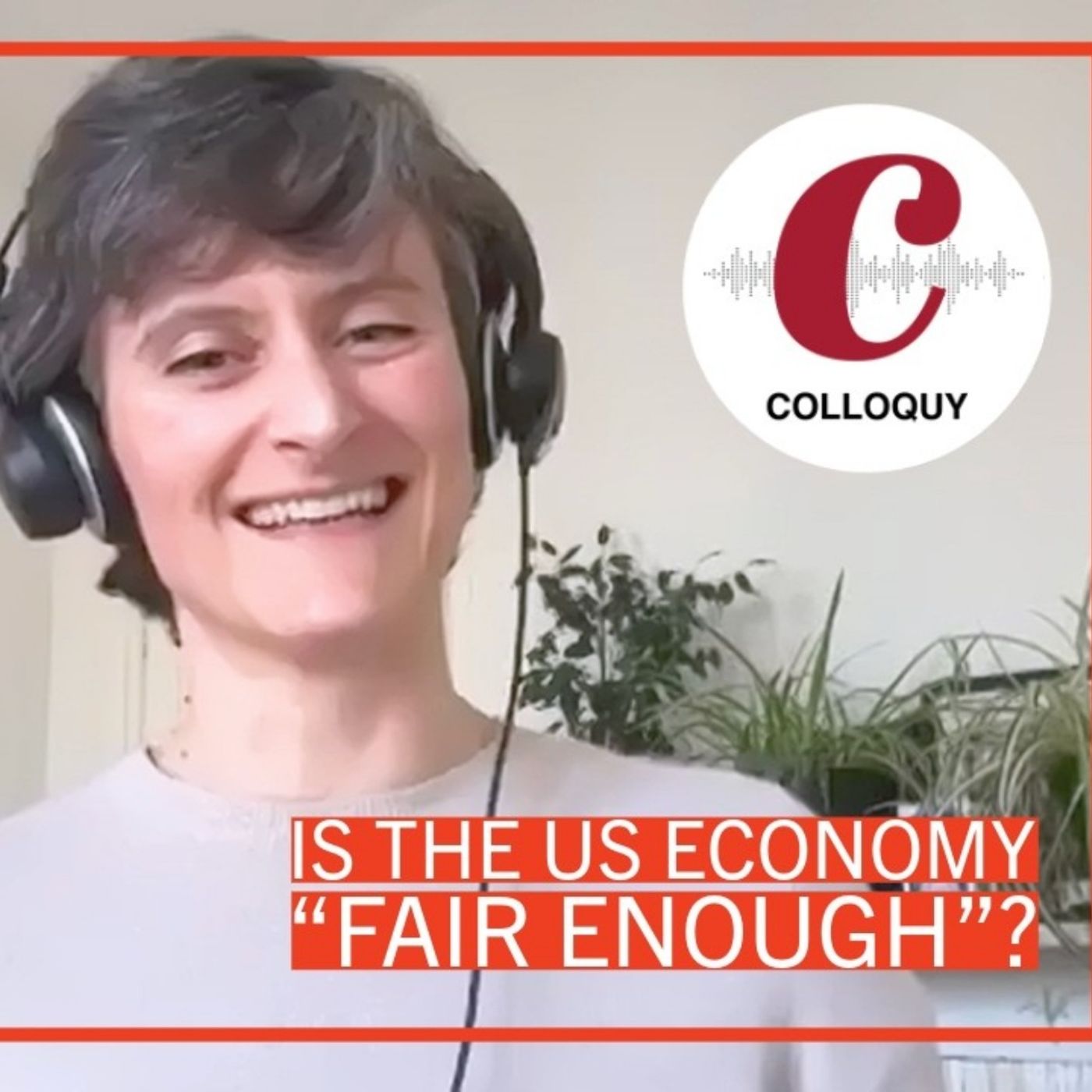
Episode #79
After decades of increasing inequality and stagnating wages among working and middle-class Americans, many pundits thought that the financial crisis and the wave election of 2008 would usher in a new era of politics in...
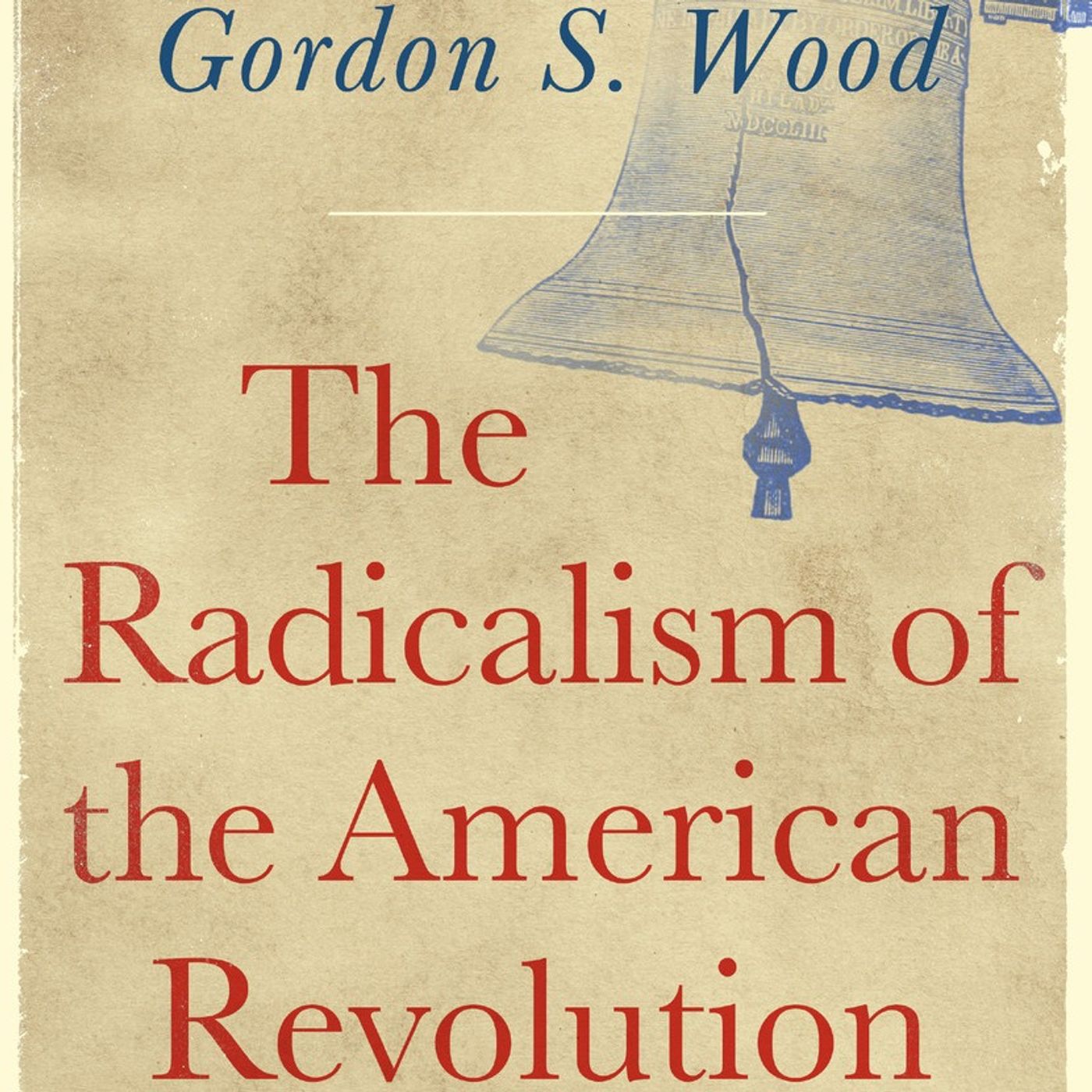
Episode #77
Before his death at age 92, the Brown University Professor Gordon Wood, PhD ’64, devoted his long career to making sure we remember the radicalism of the American Revolution. Often referred to as the “dean” of...
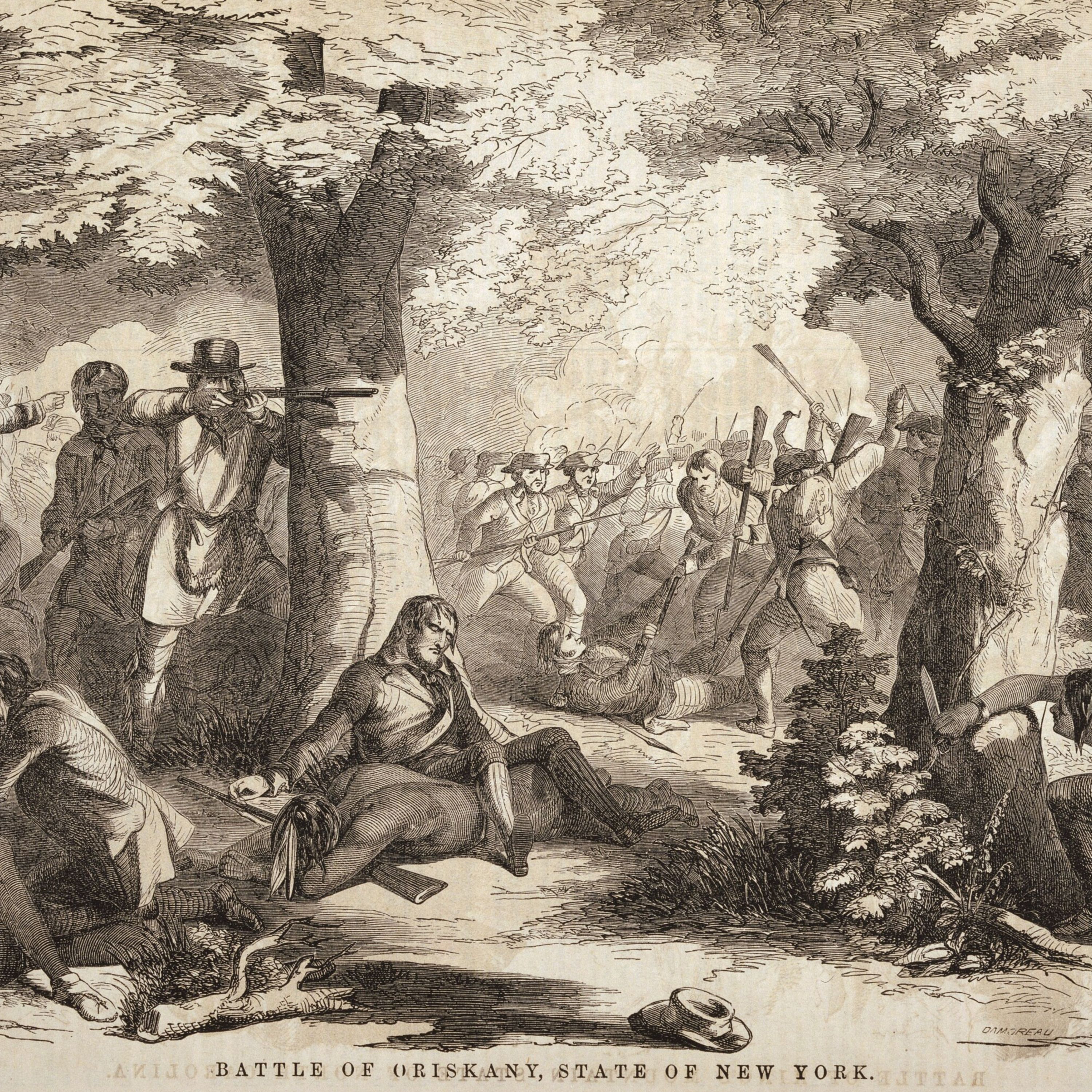
Here in eastern Massachusetts, you can't take more than a few steps without tripping over a marker or a monument to the American Revolution. Middle school students take field trips to where it all happened: the Boston...
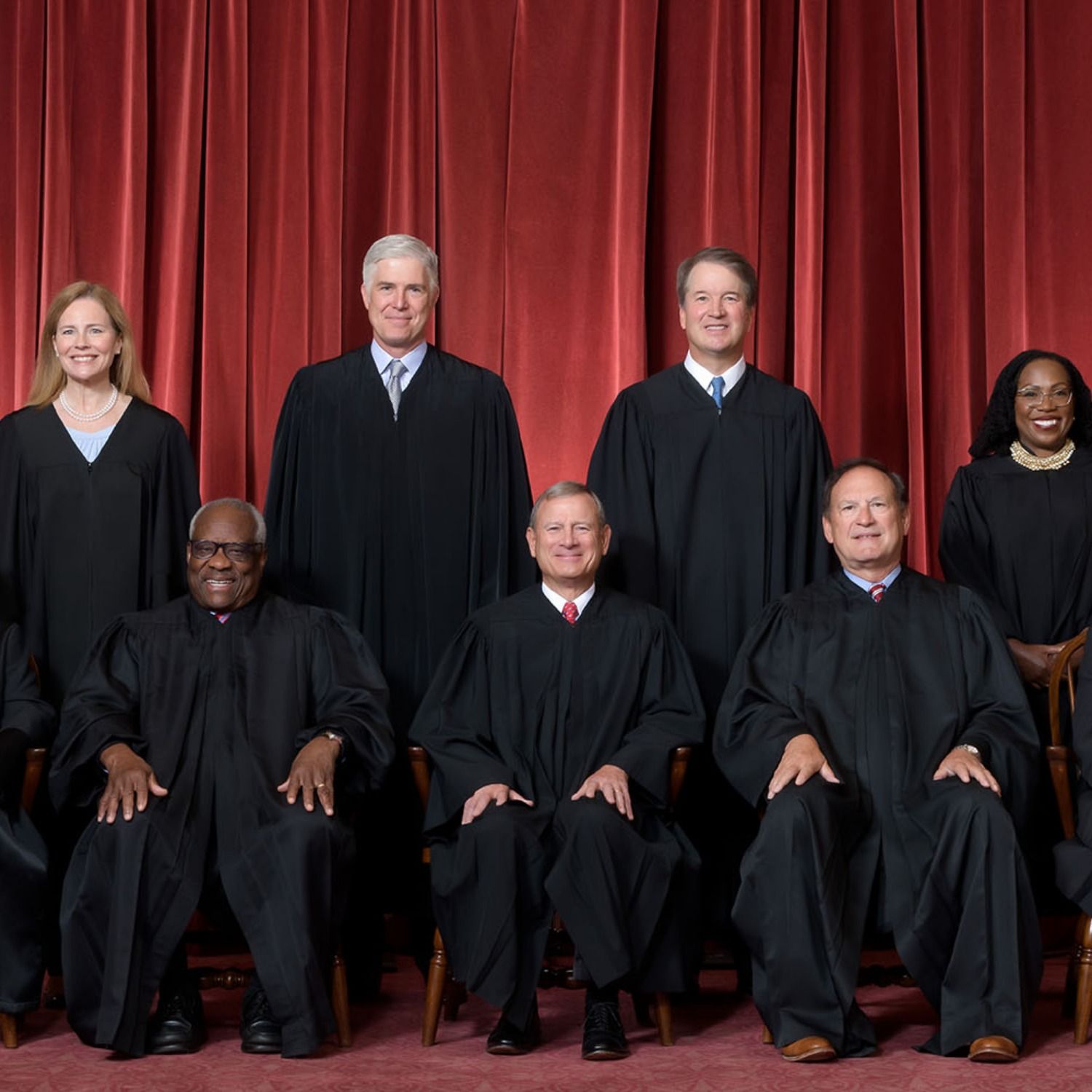
Episode #75
Across the country, judges and justices are making decisions that reach back, sometimes centuries, to define what the Constitution means today. Whether it's gun rights, abortion, or voting laws, the Supreme Court...
Episode #74
Ranjay Gulati, PhD ’93, an expert on leadership strategy and organizational growth, has thought a lot about courage. It is not fearlessness, writes the Paul R. Lawrence MBA Class of 1942 Professor of Business...
Episode #73
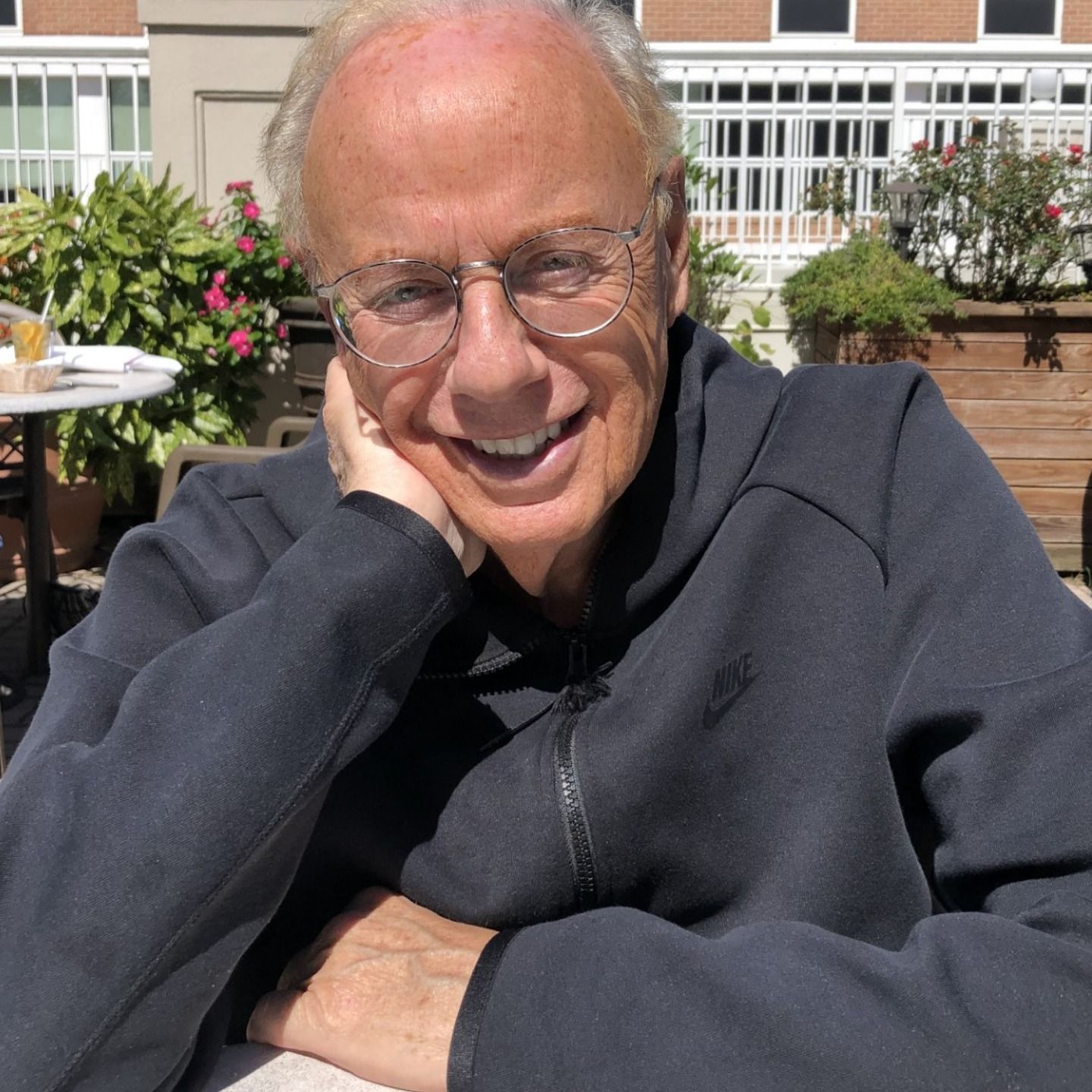
“Don’t.” That’s the first of Roger Rosenblatt’s More Rules for Aging , and the underpinning of many of the new book's 114 others. Don’t try to catch that 20-something jogger who just left you in the dust on your morning...
Episode #72
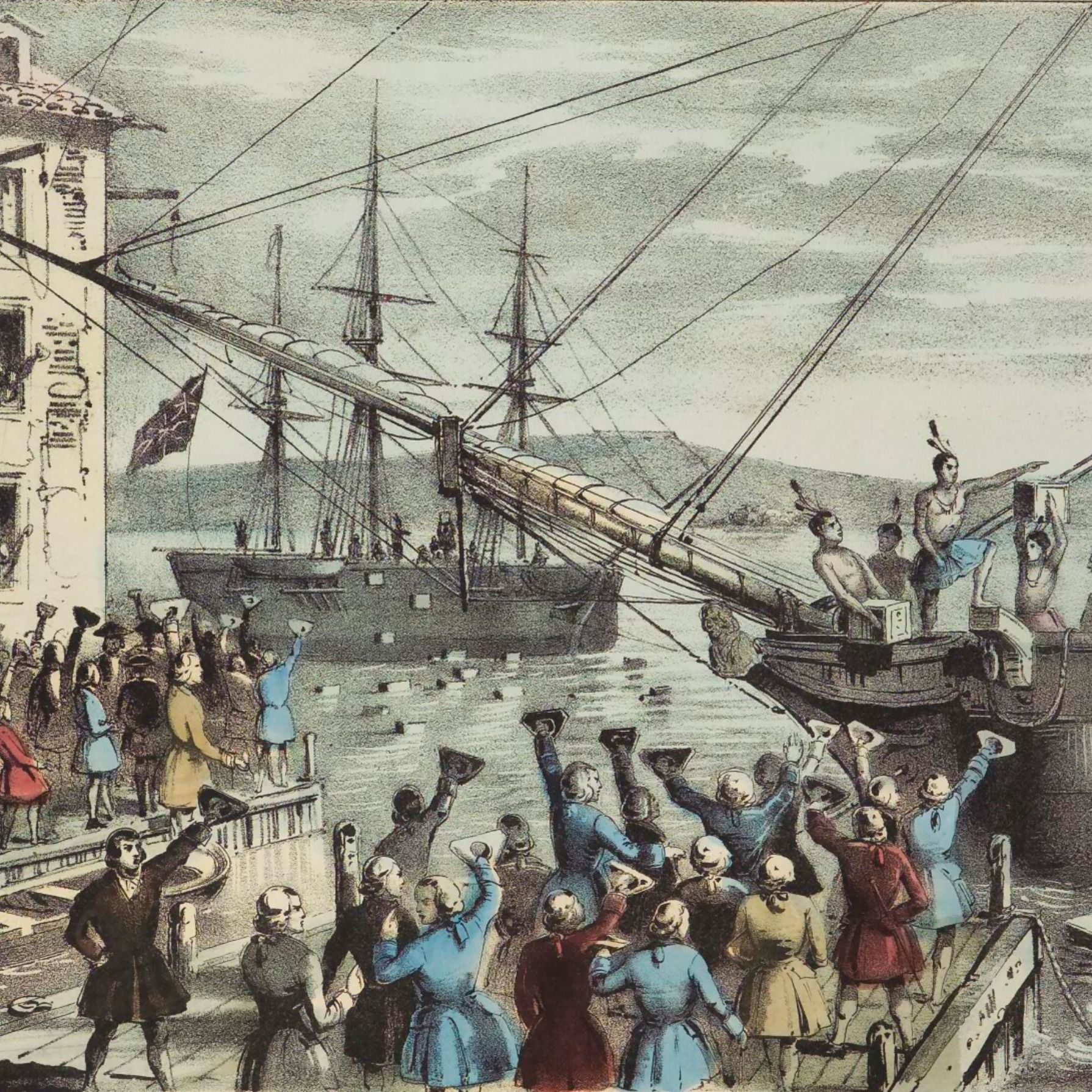
The historian Vanessa Williamson, PhD '15, asserts the Patriots who dumped 342 crates of tea into Boston Harbor on December 16, 1773, were actually protesting a corporate tax break for the British East India Company...
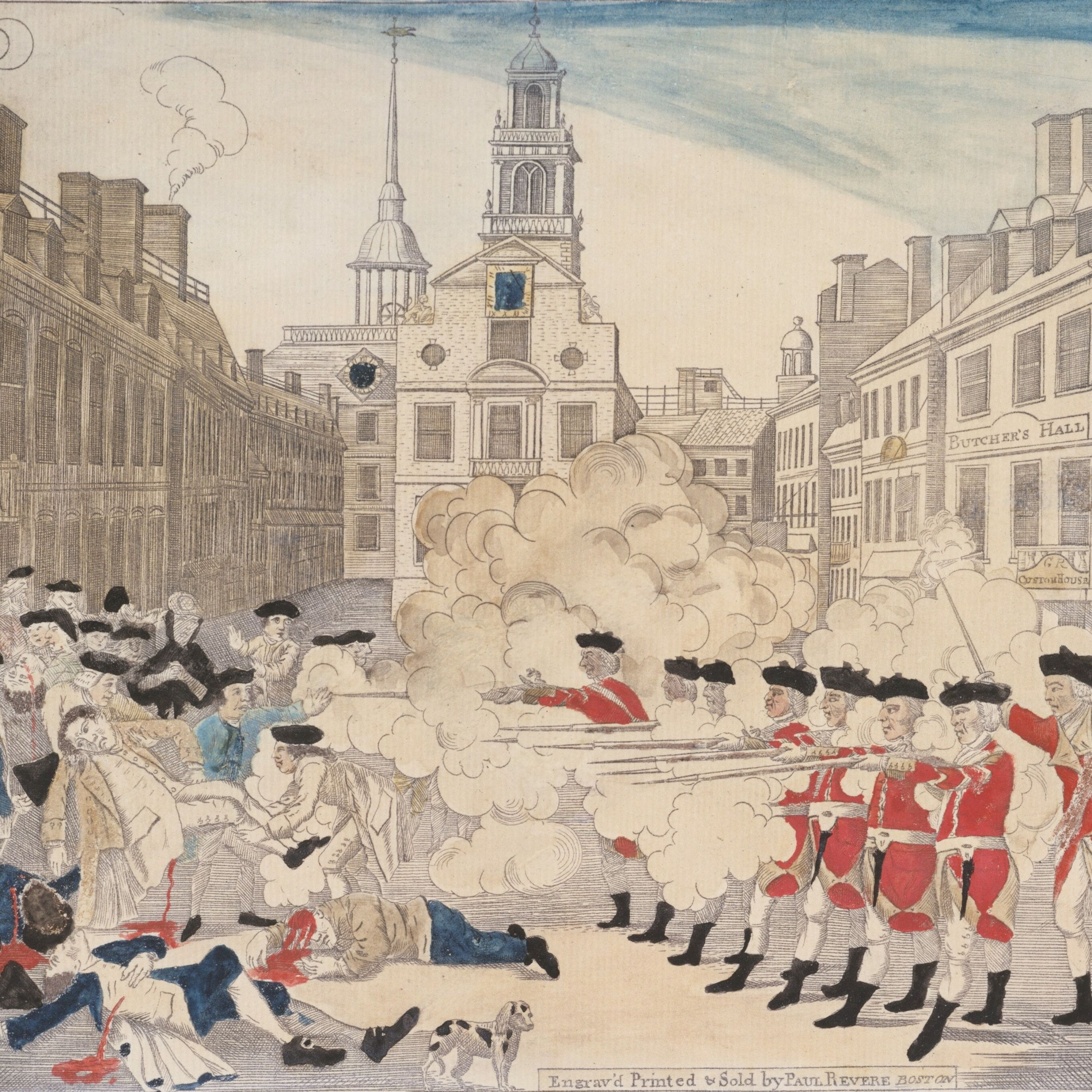
Armed troops in the streets of an American city. A leader in a faraway capital determined to exercise his power over the people there. Screams of protest from residents who demand the force's withdrawal. Resistance...
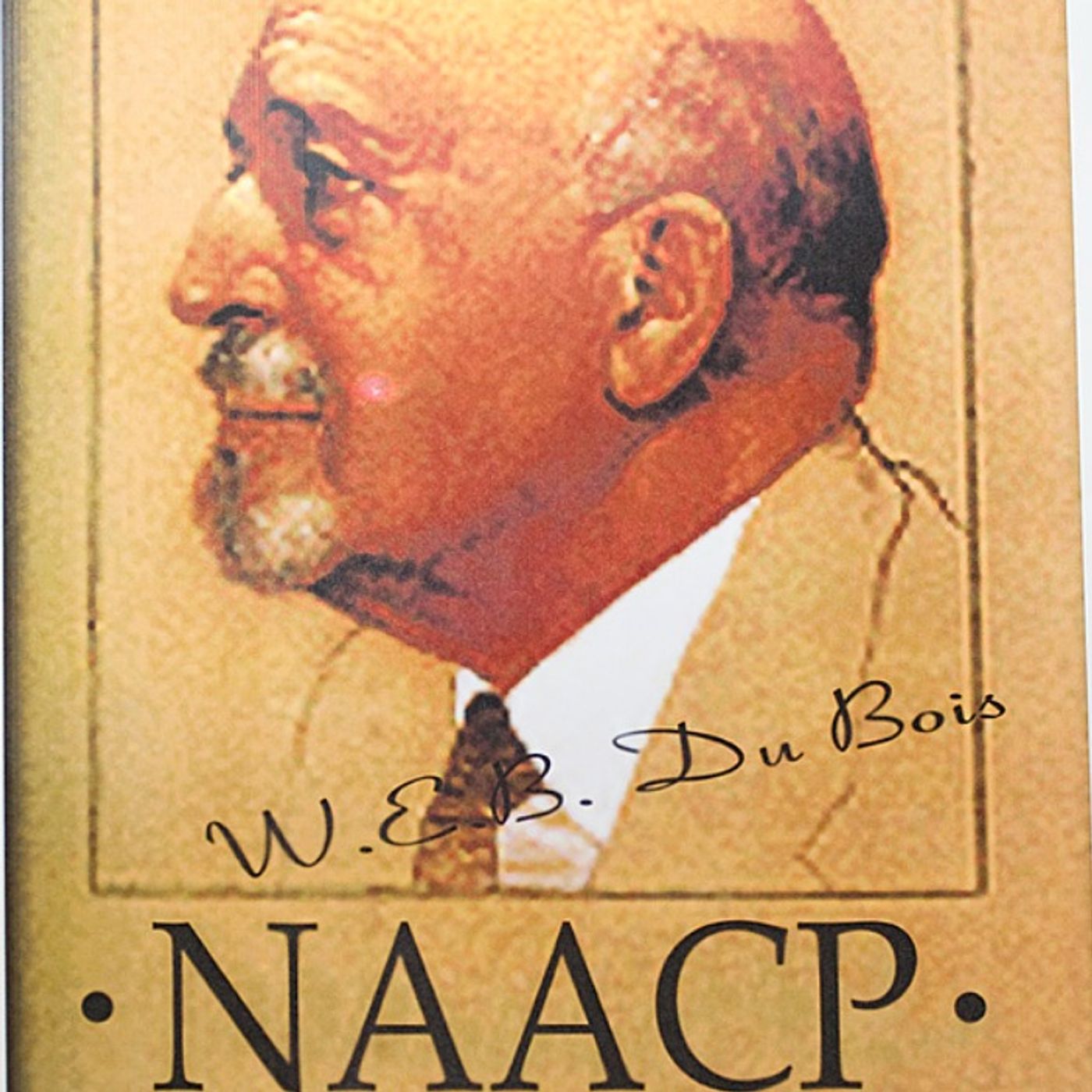
In the decades after becoming the first Black US citizen to receive his PhD from Harvard, W.E.B. Du Bois helped transform sociology from theory and speculation to a social science rooted in rigorous methodology and hard...
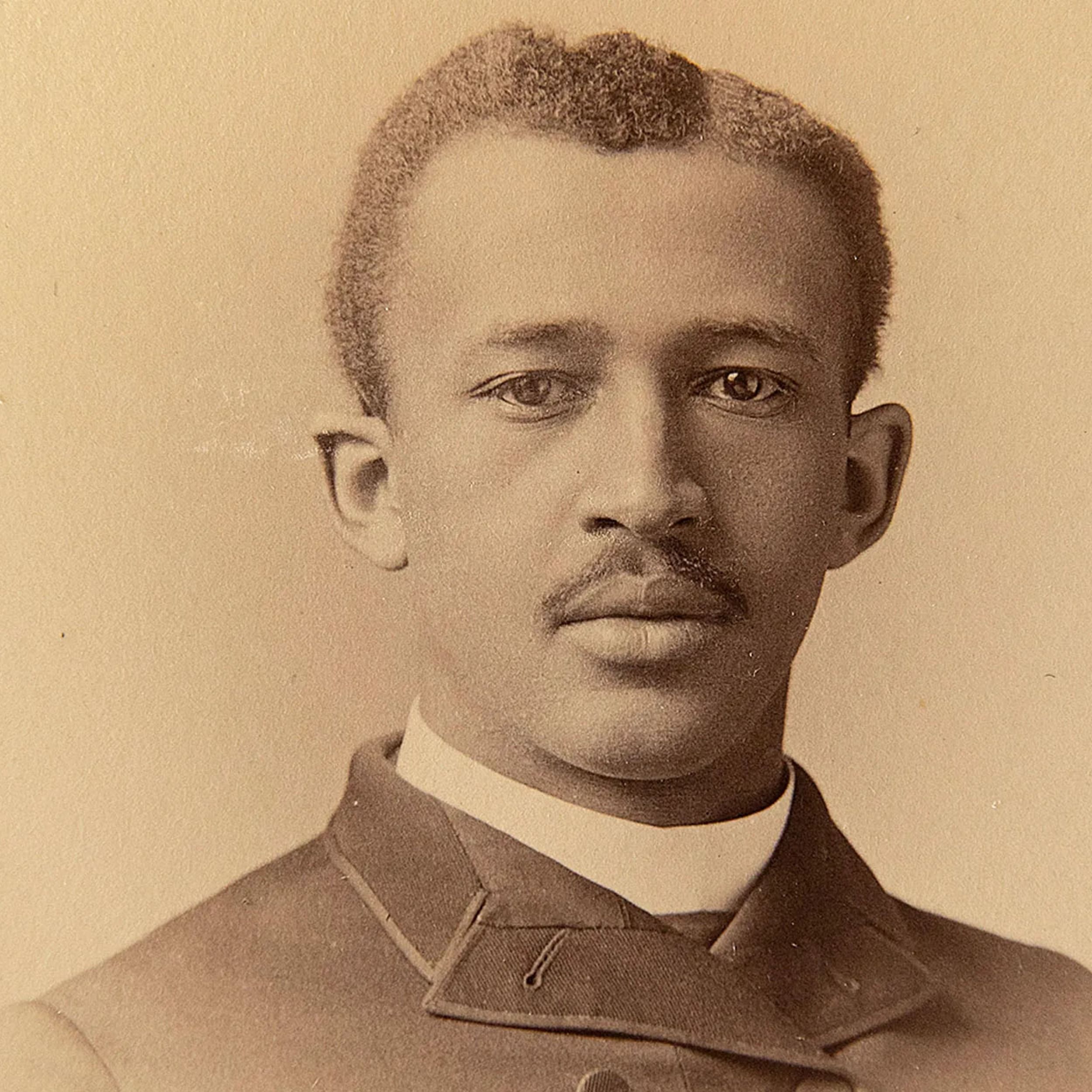
How did the Harvard PhD experience influence W.E.B. Du Bois, the man who would become one of the leading Black activists and intellectuals of the 20th century? And what connections did he make in the vibrant Black...
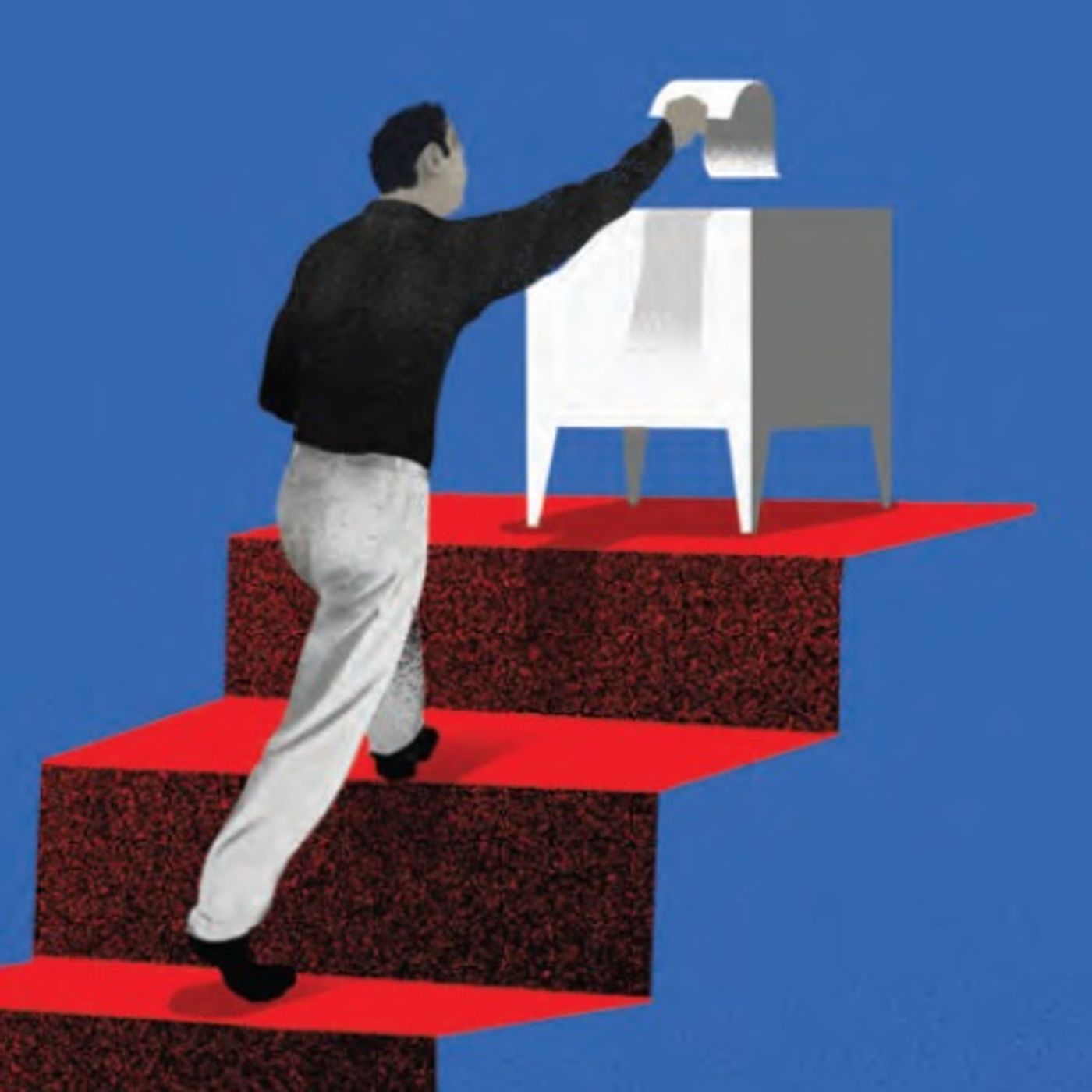
As states around the country face off in a contest of Gerrymandering, what is the future of voting rights in the United States? Will the Supreme Court nullify what’s left of the landmark Voting Rights Act of 1965? How...
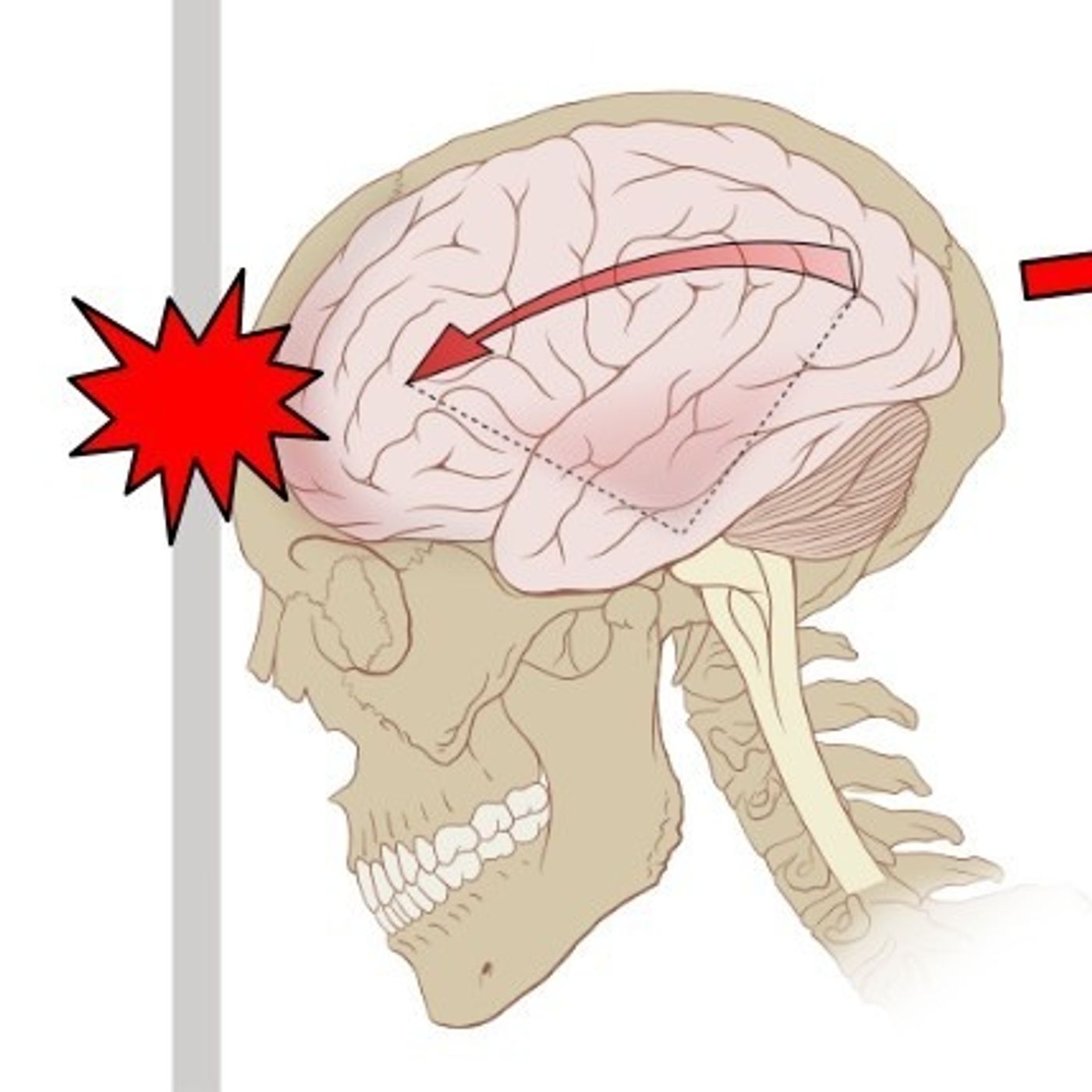
Chronic traumatic encephalopathy, or CTE, is a neurodegenerative disease linked to repeated head injuries. It has been found in professional athletes, soldiers, and others who have experienced years of those traumas...
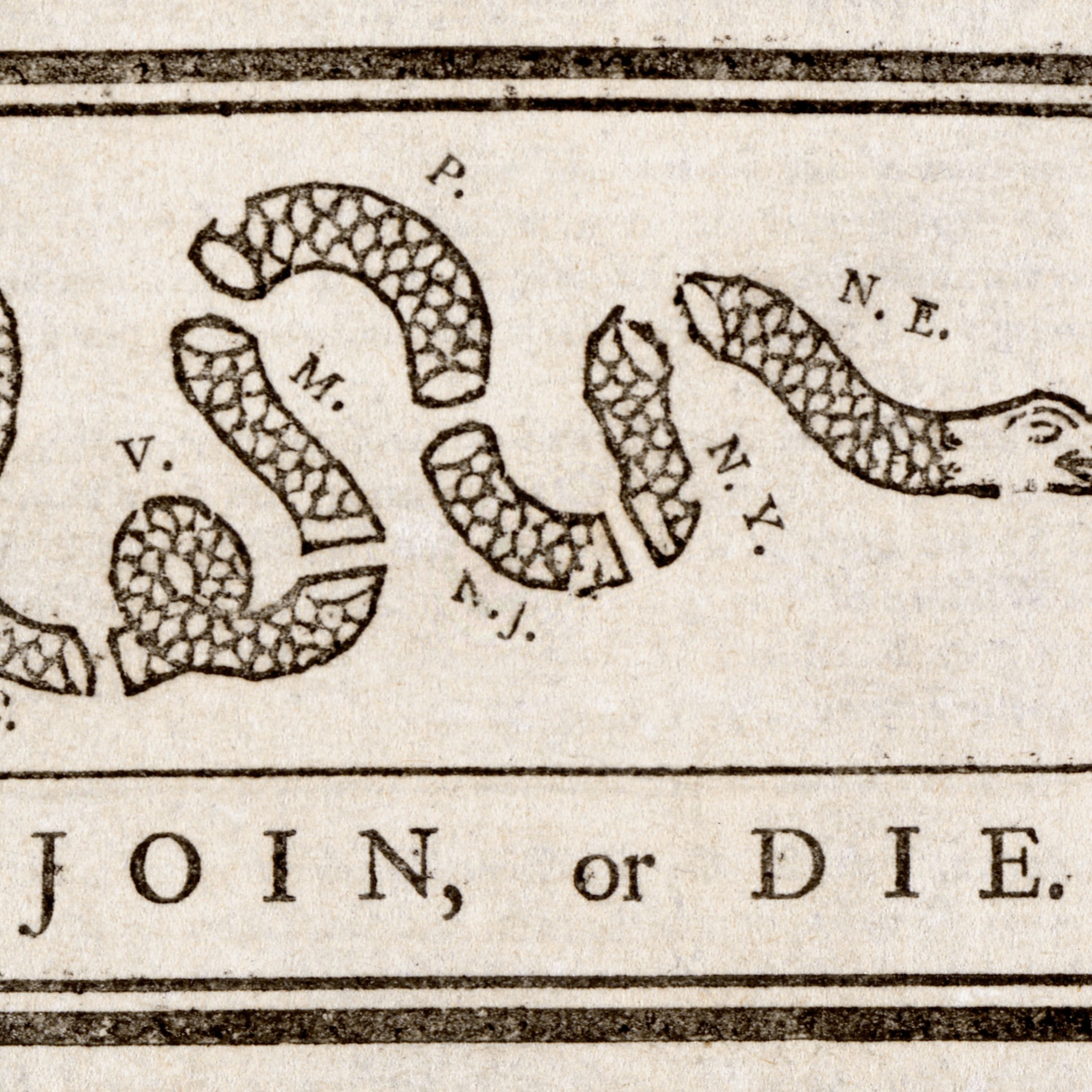
Episode #66
Us against the redcoats. That's how we often think of the American Revolution. In Ken Burns’ latest film, scheduled to drop later this month on PBS, the acclaimed documentarian takes on that simplistic notion of the...
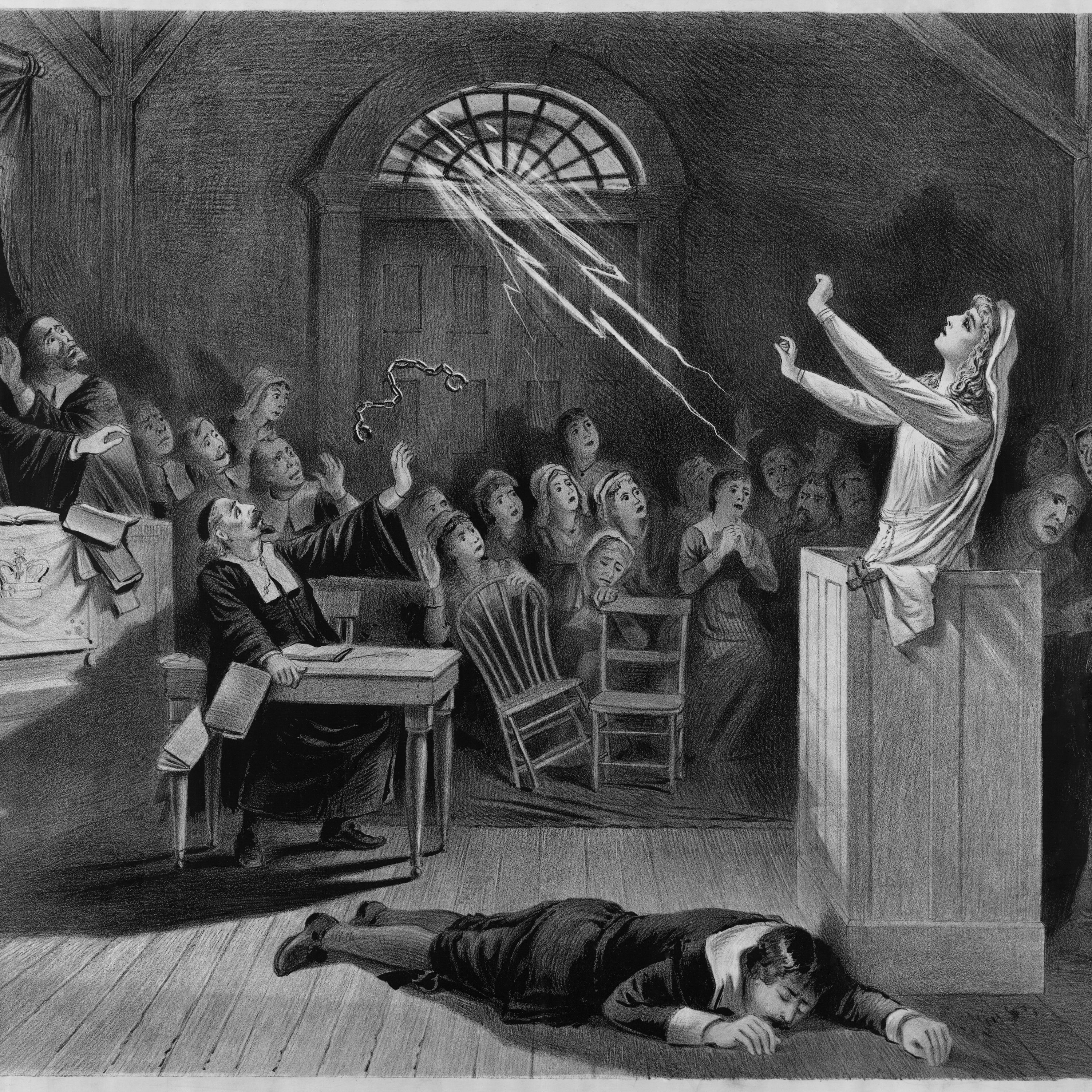
“How long have you been in the snare of the devil?” That was the lose‑lose question asked of those—mostly women—accused of witchcraft in Essex County, where Salem Village was located, in 1692. According to the Cornell...

Episode #64
We all want to live as long and as well as possible. Diet and exercise are crucial, but how can we make sense of the flood of information, which sometimes seems to contradict itself? More importantly, how can we adapt...

2025 Harvard Horizons Scholar Sergio Alarcón Robledo explores ancient Egyptian architecture through an interdisciplinary approach that sits at the crossroads of archaeology, Egyptology, and architecture. By inquiring...

The Inka Empire, the largest in the pre-Columbian Americas, is renowned for its impressive engineering feats, including an extensive road network and monumental architecture. Although the Inkas did not have a...
Recent guests on Colloquy. Study who booked and why before you pitch.
former U.S. Special Envoy to Advance Human Rights for LGBTQI+ persons, Taos County Economic Development Department
Paul R. Lawrence MBA Class of 1942 Professor of Business Administration, Harvard Business School
professor of evolutionary anthropology and global health, Duke University
Shamiri Institute
PitchCentric classifies Colloquy under these industries. Guests from them are the closest fit, and each links to the best podcasts in that industry.
Shows with the most semantically similar episode content. Pitch one, pitch all; producers cluster.
Is this podcast yours and you'd like to remove or correct details? Request removal or email privacy@pitchcentric.com.
Questions about the free trial? See the pricing FAQ