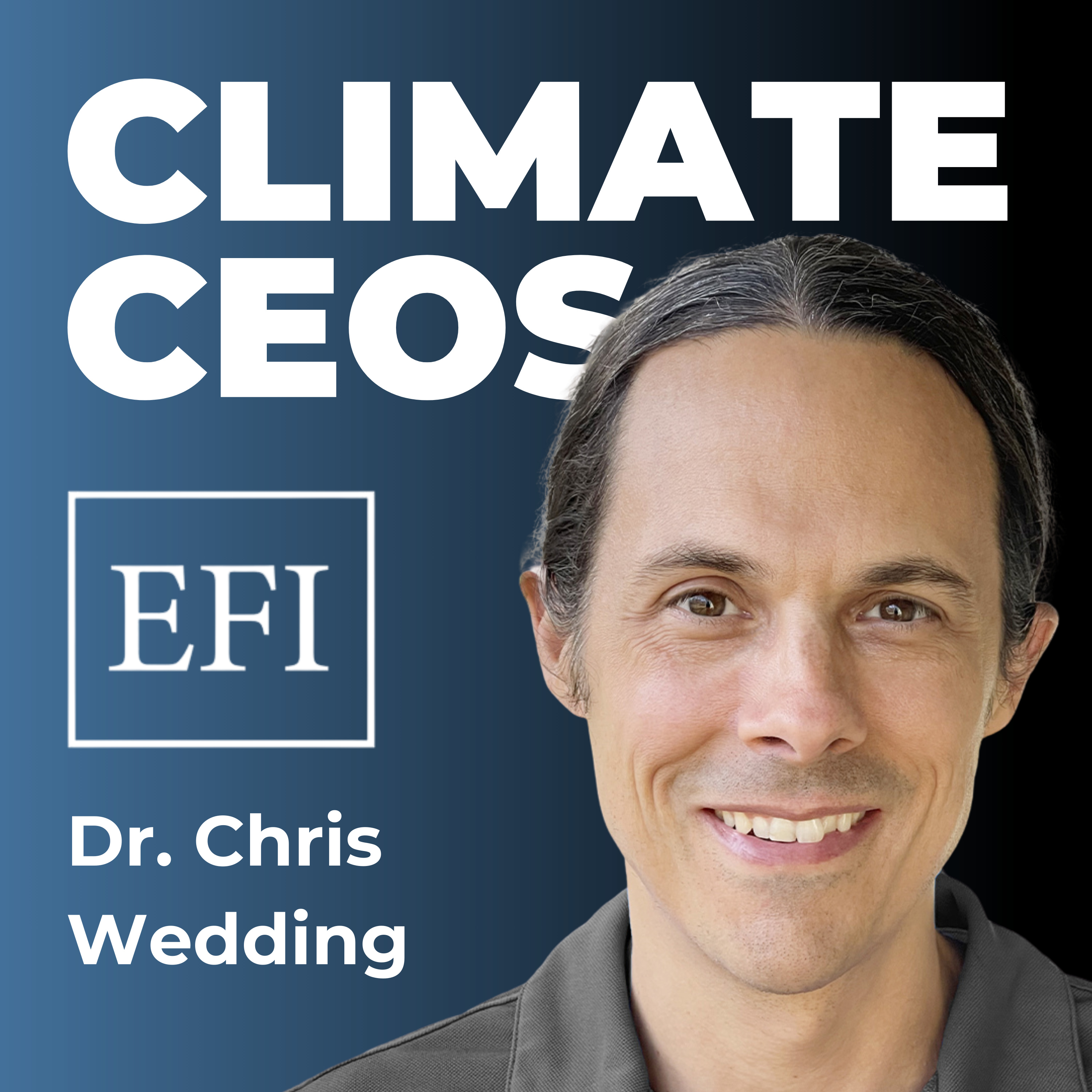

Climate CEOs
The Climate CEO’s Method for Hiring A-Players
Most hiring mistakes don’t happen because CEOs can’t recognize talent. They happen because interviews reward candidates who are good at interviewing. This minisode explores a more rigorous method for hiring executives (topgrading), and how climate CEOs can uncover performance patterns before making an expensive mistake. Look for patterns, not polish — Walk through a candidate’s career job by job to understand what they accomplished, where they struggled, why they left, and what patterns repeat. Ask the same questions about every role — What were you hired to do? What did you accomplish? What were the low points? Why did you leave? Consistency makes comparisons easier and exposes gaps. Use the Threat of Reference Check — Ask candidates what each former boss will say about their performance. Knowing you may verify the answer tends to produce more candid responses. Test for startup fit, not just executive credentials — A successful Fortune 500 executive may struggle when the job requires getting into the weeds during a funding round, factory scale-up, or major customer deployment. Spend more time before the hire — A rigorous interview process takes longer upfront. But that cost is tiny compared with losing six months to the wrong executive and starting the search again. The core lesson — Your goal isn’t to hire the best interviewer. It’s to find evidence that someone has repeatedly produced the results you need in environments similar to yours. Get the written summary: https://entrepreneursforimpact.substack.com/p/the-climate-ceos-method-for-hiring -- 1️⃣ Join our confidential CEO community. Private CEO group for VC/PE-backed climate tech founders navigating capital, strategy, and scale. Capped at 45 CEOs. → entrepreneursforimpact.com 2️⃣ Join 40,000 professionals who get our newsletter. Climate tech finance, strategy, leadership. 2-min read. → entrepreneursforimpact.substack.com 3️⃣ Leave a podcast review. If you got value, take 30 seconds and do the community a favor. It helps push more capital and talent toward scalable climate solutions.