Episode #3
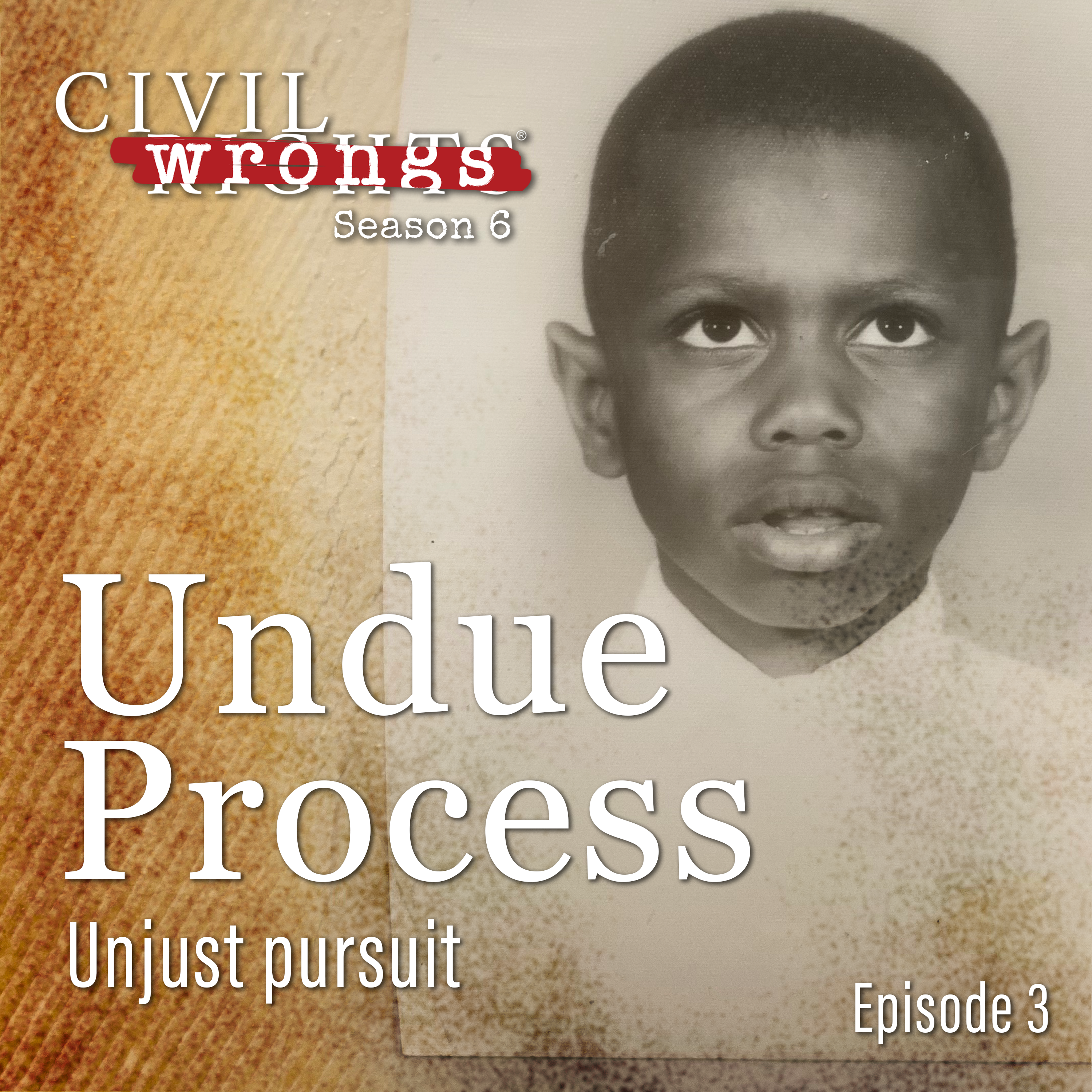
Unjust pursuit
<p>In this third and final episode of season 6, we talk to the family and others connected to the Memphis case that resulted in a U.S. Supreme Court ruling that made national waves and shaped how police could use force...

history
Hosted by Institute for Public Service Reporting · history · EN-US
Civil Wrongs is a project of the Institute for Public Service Reporting in collaboration with WKNO-FM. Here, we analyze the present-day effects of historical cases of racial terror in Memphis and the Mid-South.
Required Pod Score for this podcast. PitchCentric checks your profile against host openness, topical fit, and audience signals before you generate a pitch.
Contact path
Verified email
Booking probability
35%
Guest openness
Selective
Sign up to generate a grounded pitch for Civil Wrongs.
Signup to Generate a PitchCivil Wrongs is a project of the Institute for Public Service Reporting in collaboration with WKNO-FM. Here, we analyze the present-day effects of historical cases of racial terror in Memphis and the Mid-South.
Recent episodes include "Unjust pursuit" (13 October 2025, 26 minutes), "Silenced Bloodlines" (13 October 2025, 19 minutes), and "The Killer Wore a Badge" (13 October 2025, 23 minutes).
Civil Wrongs publishes roughly every two weeks, with episodes averaging 18 minutes across 24 episodes.
Booking probability for Civil Wrongs is 35%, and the host is rated Selective on guests. Civil Wrongs requires a Pod Score of 80 or higher. Civil Wrongs's contact route on record: verified email.
The strongest fits for Civil Wrongs are Courts, Police & Public Safety. Civil Wrongs has a history audience.
Civil Wrongs is a history podcast with 24 episodes published.
Our AI reads these to draft pitches. Use them as grounding for a pitch that cites a real guest and a specific topic.

Episode #3
<p>In this third and final episode of season 6, we talk to the family and others connected to the Memphis case that resulted in a U.S. Supreme Court ruling that made national waves and shaped how police could use force...
Episode #2
<p>This episode explores how Phillip Hatley’s family responded to his death — both at the time and through three generations, as more information has come to light.</p><p>His grandsons say they have a newfound...

Episode #1
<p>In this episode, we bring you the story of Phillip Hatley, a 43-year-old Black husband and father who was shot in the back and killed by a drunk Memphis police officer in 1939. <br><br>His death led to a publicly...

Episode #7
<p>Tennessee recently scheduled its first executions after a five-year hiatus. In this episode, we host a conversation between Steven Hale, author of “Death Row Welcomes You” based in Nashville, and Margaret Vandiver...

<p>One hundred years ago on May 8, a Black man who could not swim saved 32 white people from drowning in the Mississippi River. </p><p>That heroic act got him a meeting with President Calvin Coolidge and a house in...

Civil Wrongs
<p>In this Memphis neighborhood, the economic potential of its future is just as important as the telling of its past. The Klondike Smokey City Community Development Corporation has been working for years to provide...

<p>The 1968 Memphis sanitation worker's strike was a pivotal point in the Civil Rights Movement. It eventually led to the fatal shooting of Rev. Dr. Martin Luther King Jr. at the Lorraine Motel. Local activists say that...

<p>In 1961, Dwania Kyles was among the first group of 13 Black children to integrate Memphis’ public school system. To aid in her own healing from that traumatic experience, she became a certified wellness coach. Now...

<p>Next time you’re walking down South Main Street in Memphis and find yourself in front of one downtown’s longest-standing art galleries, look down. You might learn something. </p><p>Miniature paintings by artist...

<p>When pundits and politicians talk about rural America, it’s often another way of saying white America. </p><p>But that would also be a misperception, according to the Brookings Institution. The share of people of...

Civil Wrongs
<p>This season, we're doing something different by sharing some of the positives that have come from people’s efforts to remember the past. Check back for more episodes.</p><p><br></p>

Episode #3
<p>Black farmers have lost 90% of the land they once owned since 1920. Oral histories of the massacre say land was stolen from victims and survivors. One local group, the Elaine Legacy Center, is digging into the...

Episode #1
<p>The Elaine Massacre of 1919 was one of the deadliest in American history and for decades, its story was suppressed. Descendants of this tragedy say they are still feeling its effects in their small rural Arkansas...

Episode #2
<p>Starting in the immediate aftermath, a "hush mouth" campaign ensued across Phillips County, Arkansas to stifle the telling of the massacre. Now, there are few places that tell the story, and those that do are...

Episode #2
<p>The racist caricature that Black people are inherently lazy and morally corrupt underscored the perceived authority of Earle, Arkansas sheriff’s deputy Paul Peacher to haul men off to forced labor in the 1930s...

Episode #1
<p>Slavery was still happening in eastern Arkansas in the 1930s — seven decades after Emancipation.</p> <p>Efforts to seek better pay and working conditions by the Southern Tenant Farmers Union, a rare interracial labor...
Episode #4
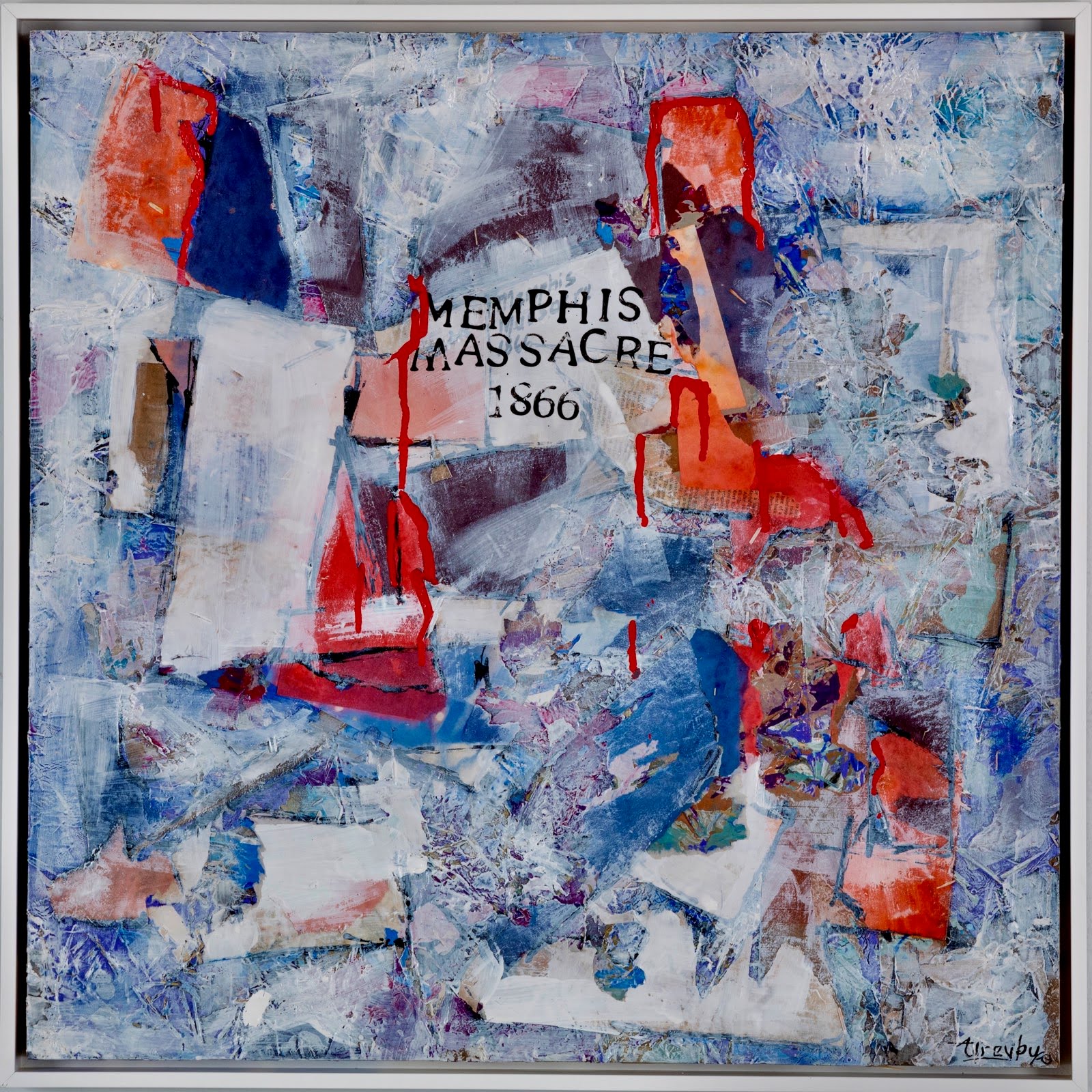
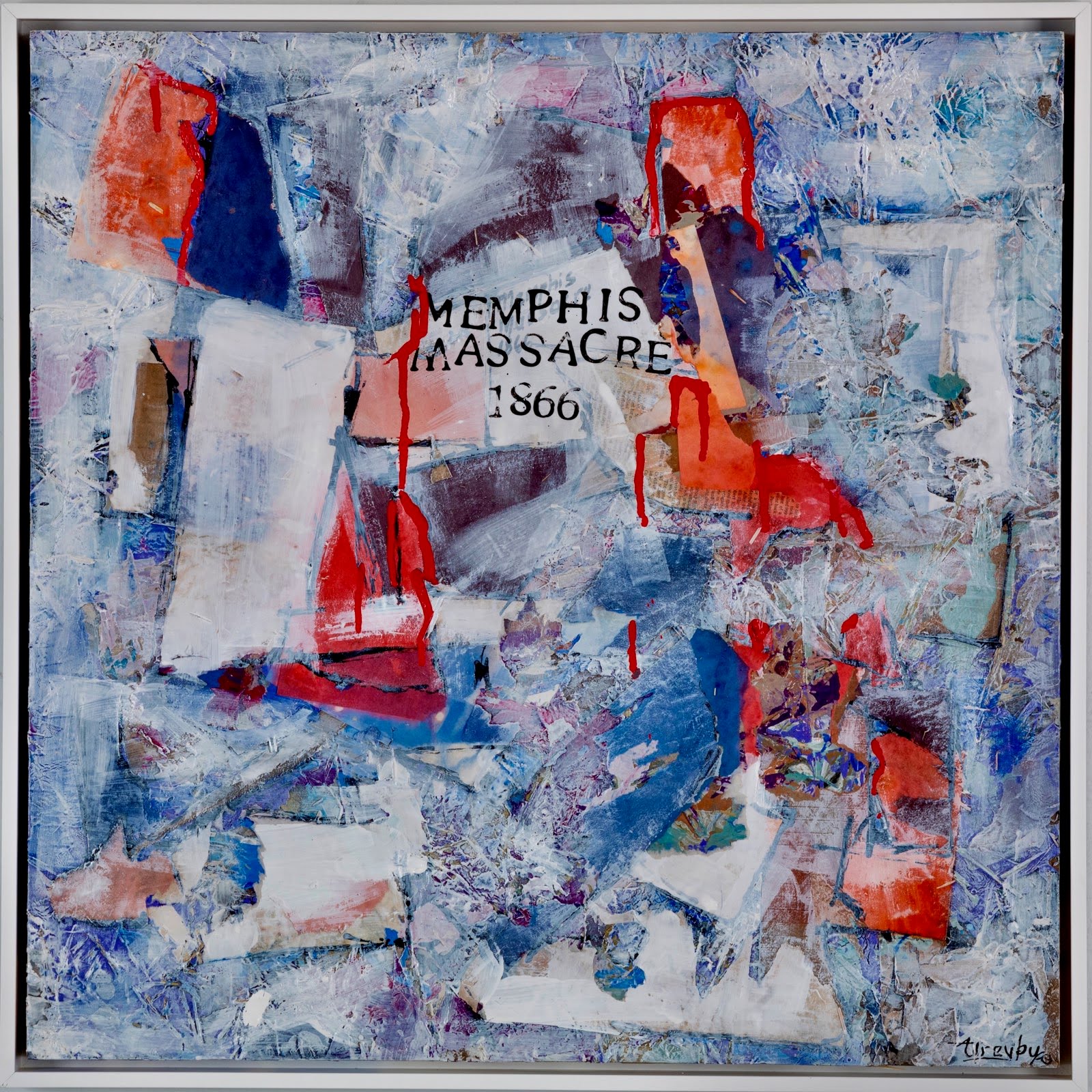
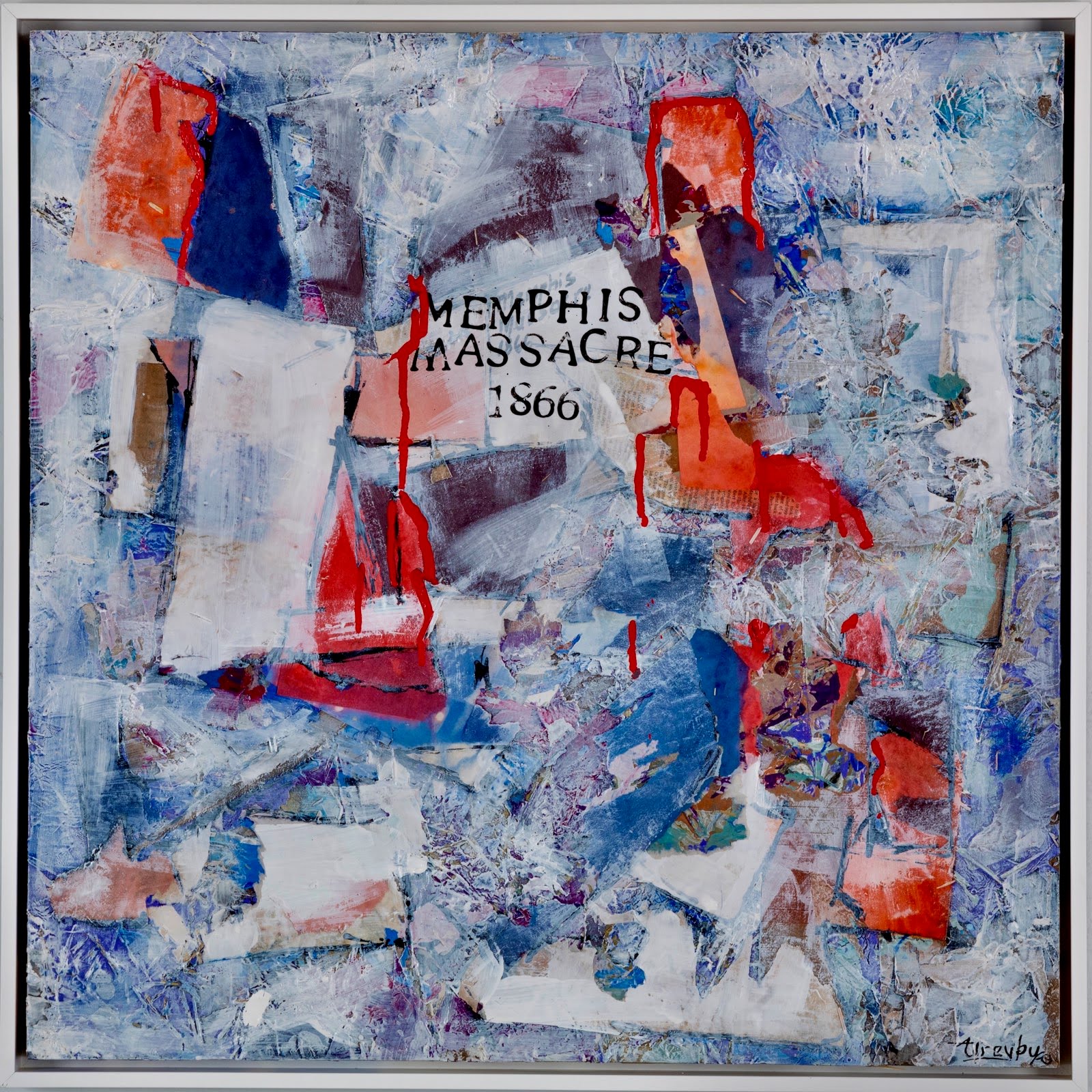
<p>Though the Memphis Massacre is virtually excluded from U.S. history education, it has had a long-lasting impact on civil rights, including a direct correlation to the passage of the 14th Amendment. </p> <p>“I think...
<p>The ruthlessness of the white mobs during the massacre extended to sexual violence. Multiple women were raped over three days, including five who were brave enough to testify to the congressional committee. It’s...
<p>The white mobs were led by a specific subset of people: Police officers who were mostly Irish immigrants. At the time, Irish immigrants were viewed as inferior to other white Americans. And with the emancipation of...
<p>A year after the Civil War, in May 1866, widescale violence erupted in Memphis. White mobs led by police brutalized the Black community, beating and shooting any Black person they could find, but especially targeting...
Recent guests on Civil Wrongs. Study who booked and why before you pitch.
Associate Professor and Clinical Psychologist, University of Ottawa
Speaker, Civil Rights Advocate, Wellness Consultant, Breath Coach, Memphis 13 Foundation
Industry Executive Director, Education, Nuclear Information and Resource Service
Urevbu Contemporary fine art gallery
PitchCentric classifies Civil Wrongs under these industries. Guests from them are the closest fit, and each links to the best podcasts in that industry.
Shows with the most semantically similar episode content. Pitch one, pitch all; producers cluster.
Is this podcast yours and you'd like to remove or correct details? Request removal or email privacy@pitchcentric.com.
Questions about the free trial? See the pricing FAQ