Episode #317
#317 | Dostoyevsky's 'Crime and Punishment' — Guilt, Isolation, and the Way Out
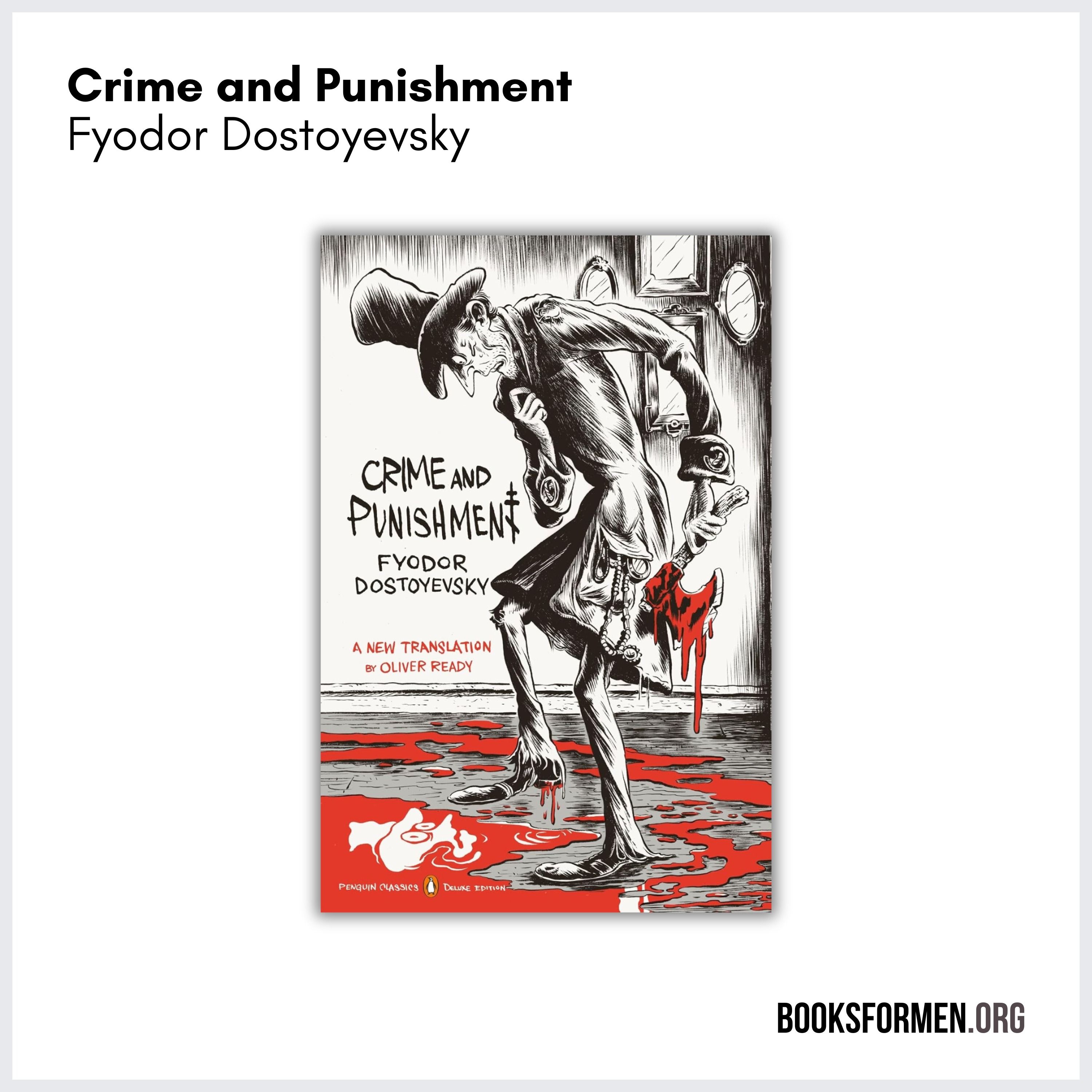
This week, we tackle Fyodor Dostoevsky’s 1866 masterwork, Crime and Punishment —a titan of Russian literature that dissects the darkest corners of the human psyche. I share why I read Oliver Ready’s translation, recap Dostoevsky’s harrowing mock execution, and explore how Raskolnikov's descent into guilt, paranoia, and moral delusion serves as a timeless warning. Ultimately, we look at why the novel’s heavy themes of suffering, isolation, and spiritual rebirth point toward one ultimate truth: love and connection are the only way out. Inside the Episode : (00:30) Navigating Translations: Choosing Oliver Ready’s 2014 translation for modern readability over classic renderings like Constance Garnett. (03:08) Mock Execution in Siberia: How Dostoevsky’s traumatic exile and last-second reprieve from death shaped his inward, psychological style. (04:39) Dostoevsky vs. Tolstoy: Contrasting Tolstoy’s outward, social critiques with Dostoevsky’s focus on nihilism, guilt, and human darkness. (05:36) The Napoleon Complex: How Raskolnikov’s delusion that extraordinary men are above morality leads to his horrific crime and subsequent unraveling. (08:00) Redemption Through Connection: Why the character of Sonia represents the book's core message—that no abstract theory can replace the saving power of love. Links & Resources : ✓ (Better) Books: Sign up at BooksforMen.org . Master Your Craft: AristotleforNovelists.com . ⚡️ Connect: Instagram @douglasvigliotti | DouglasVigliotti.com . Book: Crime and Punishment by Fyodor Dostoyevsky. Life is too short to read sh*tty books.