Episode #360
#360 | Reading Grouse Cover and Handling Bird Dogs with Ann Jandernoa
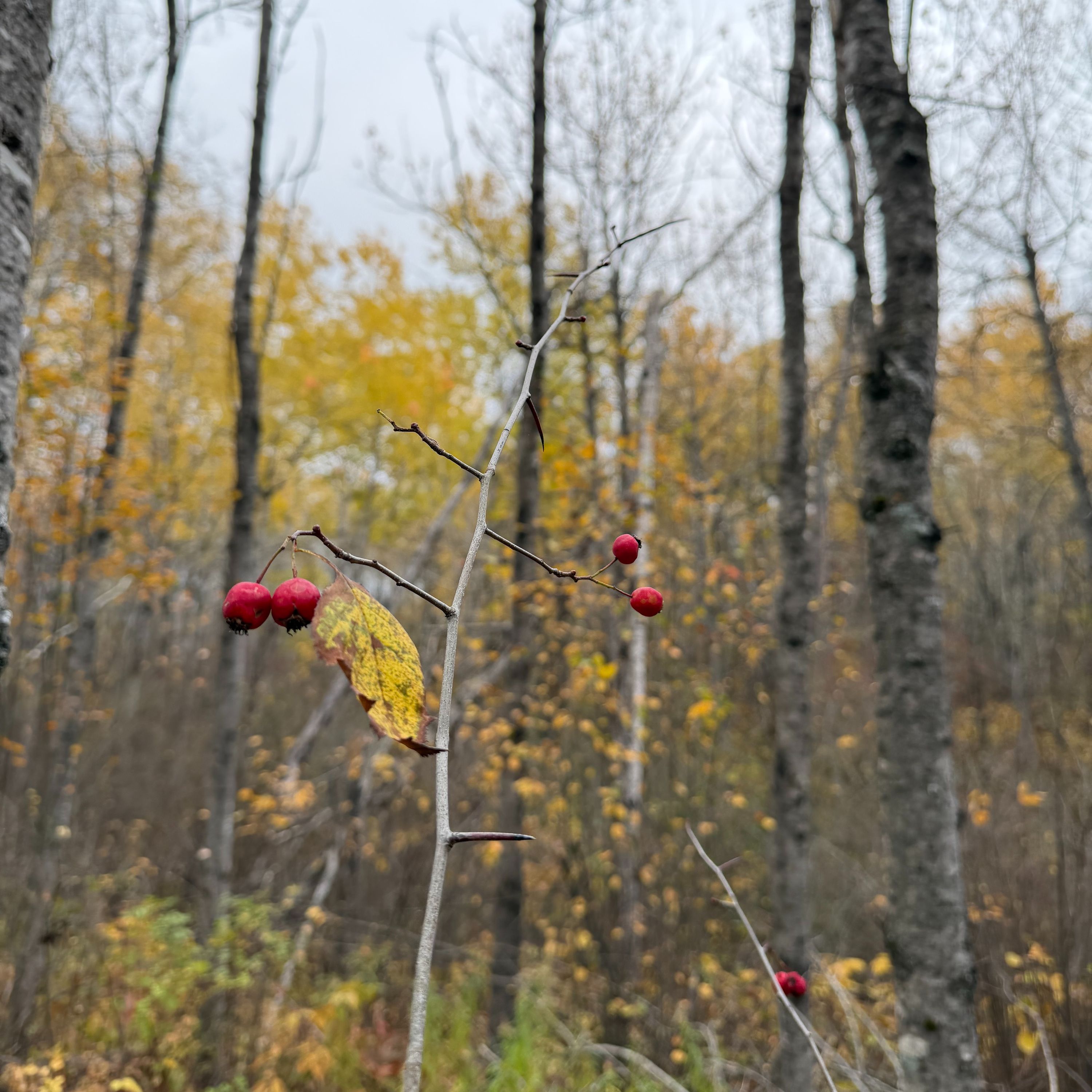
Ruffed grouse habitat can look good on a map and still leave plenty of questions once the boots hit the ground. Ann Jandernoa returns for her tenth appearance on the Birdshot Podcast to help Nick work through listener questions about reading cover and handling bird dogs. The conversation starts with early-season conditions and how dry weather changes the places Ann looks for birds. From there, they get into stem density, the forest floor, and the smaller features that make one pocket of a cut more useful than the surrounding cover. A clump of balsam, a shaded edge, or a connection between cover types can give a grouse another option. There are questions about hawthorn and wild apples, hunting habitat farther east, where grouse spend the night, and those unusual days when birds seem to keep flushing from the same stretch of cover. Nick and Ann also discuss helping a young dog work running grouse more calmly, choosing dogs to run together, and communicating a plan with hunting partners. In this episode Dry conditions, moisture, and early-season brood observations What stem density tells Ann about canopy and the forest floor Finding productive pockets and connections within grouse cover Hawthorn, wild apples, and habitat differences between New England and the Great Lakes Grouse movement, nighttime cover, and large concentrations of birds Relocating on running grouse and helping a young dog slow down Running one dog or several, approaching points, and planning a hunt with partners Questions from the conversation What does stem density tell a grouse hunter? Ann looks beyond the number of stems to how the canopy comes together and what grows beneath it. She describes cover with an interlaced canopy and a floor that young grouse can move through. Nick and Ann discuss how the useful features change as a stand ages and birds move beyond their brood cover. How does dry weather change where Ann looks for grouse? Ann follows shade, moisture, and cover connections. She describes looking toward transitions near lowlands and conifers when surrounding cover dries out. Nick and Ann also discuss how sandy and heavier soils respond differently, and why the condition of the plants and forest floor can be more useful in the field than remembering a soil classification. What makes one pocket of grouse habitat better than another? Ann's answer changes with the season. Early on, she pays close attention to the floor and canopy. As leaves come down, shrub cover and connections between habitat types become more important. Nick describes scanning for a lone spruce, balsam clumps, deadfalls, and nearby edges, then giving his dog a chance to investigate those features. How does Ann approach a dog on point? Ann describes circling out and around rather than crowding the dog from behind or coming directly alongside a young dog. She also looks at likely escape cover and whether there is room to swing a shotgun among the trees. Nick shares his own tendency to circle wider, with communication and positioning becoming especially important when another hunter is present. Connect with Ann Scout and Hunt habitat maps: https://scoutandhunt.com/ Support the show This episode is brought to you by Upland Gun Company, Final Rise, and Irish Setter Boots. Upland Gun Company: https://uplandguncompany.com/ Final Rise Shirt of the Month: https://finalrise.com/pages/upland-shirt-subscription Irish Setter Pheasants Forever Edition: https://irishsetterboots.com/pheasantsforever Join the Birdshot Podcast community on Patreon: https://www.patreon.com/c/birdshot Questions for a future episode: nick@birdshotpodcast.com Listen and follow Spotify: https://open.spotify.com/show/17EVUDJPwR2iJggzhLYil7 Apple Podcasts: https://podcasts.apple.com/us/podcast/birdshot-podcast/id1288308609 YouTube: https://www.youtube.com/@birdshot.podcast Instagram: https://www.instagram.com/birdshot.podcast/ Website: https://www.birdshotpodcast.com/ Hosted by Simplecast, an AdsWizz company. See pcm.adswizz.com for information about our collection and use of personal data for advertising.