About this podcast
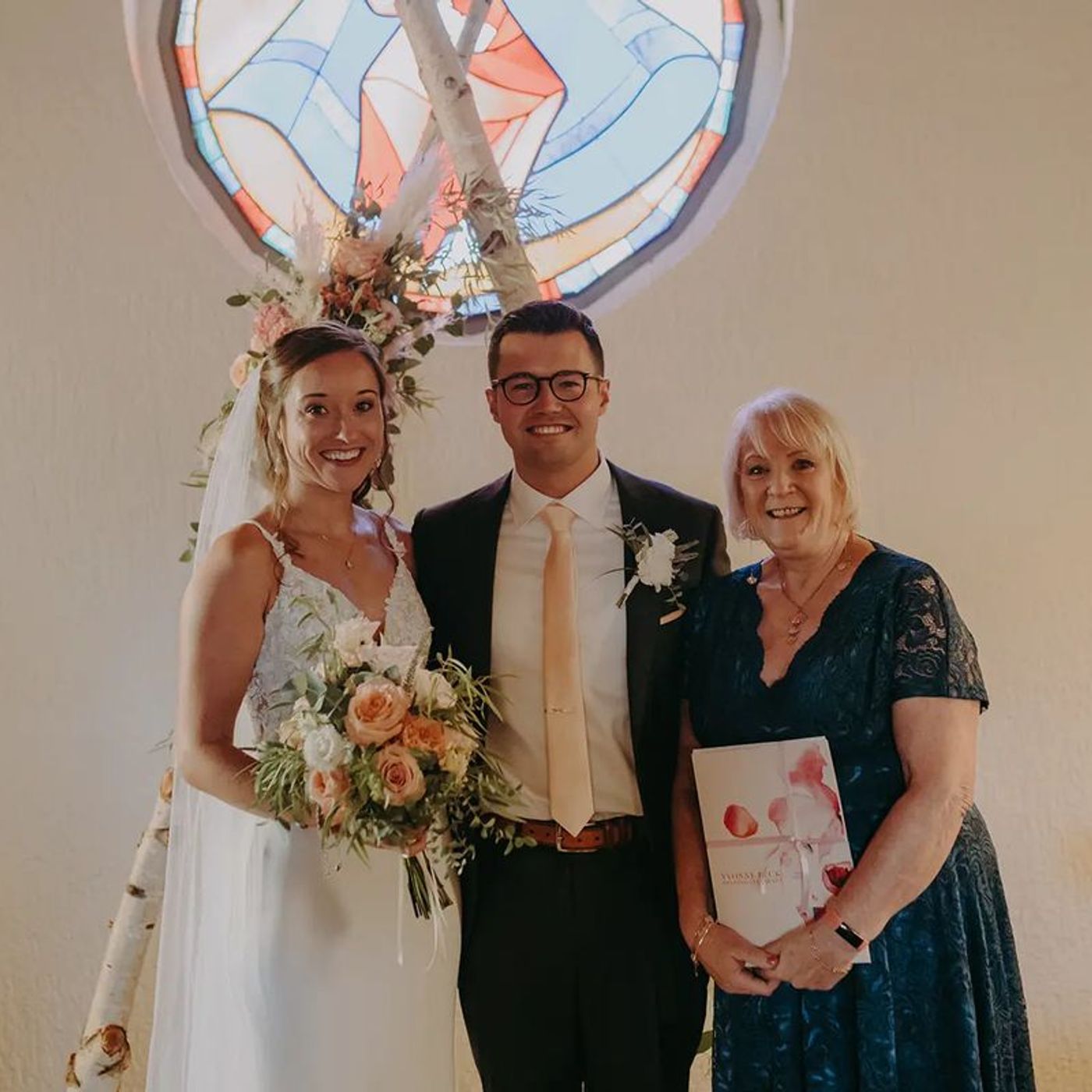
Today, we’re looking closely at why so many couples from the United States, Canada, London, and across the UK are choosing to have an elopement ceremony in Europe. For many couples, there has been a noticeable shift away from large, traditional, and highly choreographed weddings. More and more, couples want something that feels genuine and personal rather than something designed to impress a crowd. An elopement ceremony focuses on the bond between two people, the promises they choose to make, and the emotional meaning behind their commitment. It allows the couple to be fully present with each other, without the pressure of performing for an audience. One of the most meaningful elements of these ceremonies is the option to work with a bilingual celebrant. For couples who come from different cultural or linguistic backgrounds, a bilingual celebrant ensures that the ceremony feels inclusive for both partners and their families, even when those families may not share a common language. The ceremony can be spoken fluidly in two languages, either woven together or presented in clear sections. This approach creates unity rather than separation, making everyone feel acknowledged. It is not only about translating words but about respecting identity, heritage, and belonging. A personalised ceremony goes beyond a standard script. It is crafted from conversations, shared memories, and the couple’s own journey. It can include how they met, what drew them to each other, what challenges they have overcome, and what they hope to build together in the future. Details such as meaningful readings, symbolic rituals, private vows, or cultural traditions can be blended seamlessly to reflect the values that matter most to the couple. When a ceremony is created in this way, it becomes something that could only belong to those two people. The setting is equally significant. Europe offers an extraordinary range of landscapes and atmospheres. A ceremony might take place beside the ocean on a quiet stretch of coast, or in a historic square where centuries of stories are already held in the stones. It could unfold in the courtyard of a small village, in a garden surrounded by vineyards, or at the edge of a mountain path where the world opens wide. The location becomes a living part of the memory. Even years later, couples can return to that place and feel the echo of the moment in which they stood together. In the end, couples choose an elopement ceremony in Europe because it allows them to return to the heart of what marriage is: two people choosing each other. A bilingual and personalised ceremony supports that moment in the most genuine and connected way.
SocietyCultureRelationships