Ep. 03: Penn Cove
For thousands of years, the Southern Resident killer whales lived in the inland waters of the Pacific Northwest, following salmon runs through the Salish Sea in tight-knit family pods that passed knowledge, dialect, and

Established thought leaders with verified media credentials.
Every environmental disaster starts the same way. Not with an explosion, a spill, or a cloud of gas, but with a decision. Sometimes the decision to cut a corner. Sometimes to ignore a warning. Sometimes to let a known risk sit until it became someone else's problem. Ecocide is a narrative podcast about environmental destruction and the many forms it can take. Each episode investigates a moment when human activity collided with the natural world, and follows what happened next and who was left to deal with the fallout. The stories fall into four categories: First, infamous cases. Disasters you've heard of but may not know the full story. Think the Deepwater Horizon oil spill or the Cuyahoga River catching fire. We’ll document ignored warnings, the calculations made by people who understood exactly what they were doing, and the long trail of consequences that followed to humans, wildlife, and ecosystems. Second, local and regional cases that rarely make national news. A small community's drinking water quietly contaminated while regulators looked the other way. Or a mine operating illegally in a protected landscape. These are the cases that show how the system actually works because they show what happens when nobody's watching. There are thousands of these stories touching every corner of America and the globe. Third, historical cases that explain how ecosystems function, how they break, and—sometimes—how they recover. Stories like the capture of wild orcas for entertainment, or the widespread use of DDT. Moments that changed how we understand the natural world, often too late. Fourth, real-time episodes. Stories unfolding right now—tied to specific decisions, specific timelines, and, in some cases, specific actions listeners can take. These episodes close the gap between awareness and action. You won't find a show like this anywhere else. Environmental stories typically get covered in one of two ways: either as fast-and-thin breaking news—gone before the consequences arrived—or as advocacy, with a conclusion already built in. What's missing are stories told in enough depth to establish the facts, examine the tradeoffs, name the people who made the decisions, and learn about the communities left behind. And to do it all without telling listeners what to think. That's what this show is. Every episode is built on primary sources. We use court documents and legal filings, agency records, and the investigative journalism produced by reporters who were there when it happened. Our research also draws on peer-reviewed science, academic literature, and nonfiction books. We don't start with a conclusion and work backward. We start with the record. When the facts are damning, they'll be presented without editorializing. And when the story is complicated, it'll stay complicated. The goal isn't to tell you how to feel. It's to make sure you know what happened. Because the earth doesn't forget. And neither can we.
Unknown Host hosts Ecocide Podcast.

For thousands of years, the Southern Resident killer whales lived in the inland waters of the Pacific Northwest, following salmon runs through the Salish Sea in tight-knit family pods that passed knowledge, dialect, and

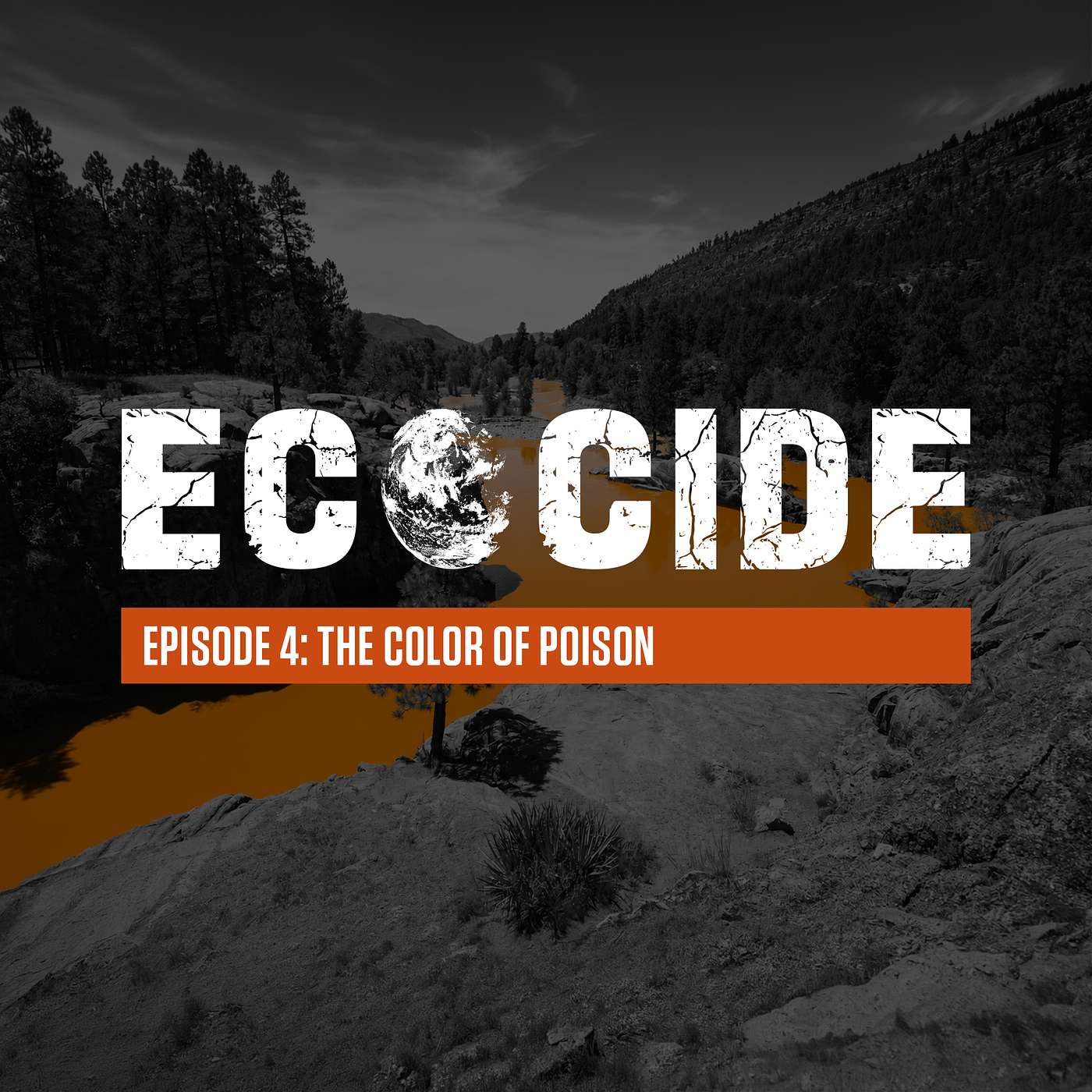
On the morning of August 5, 2015, an EPA contractor working at an abandoned mine in the San Juan Mountains of Colorado punched through a plug of debris and released 3 million gallons of toxic wastewater into Cement Creek

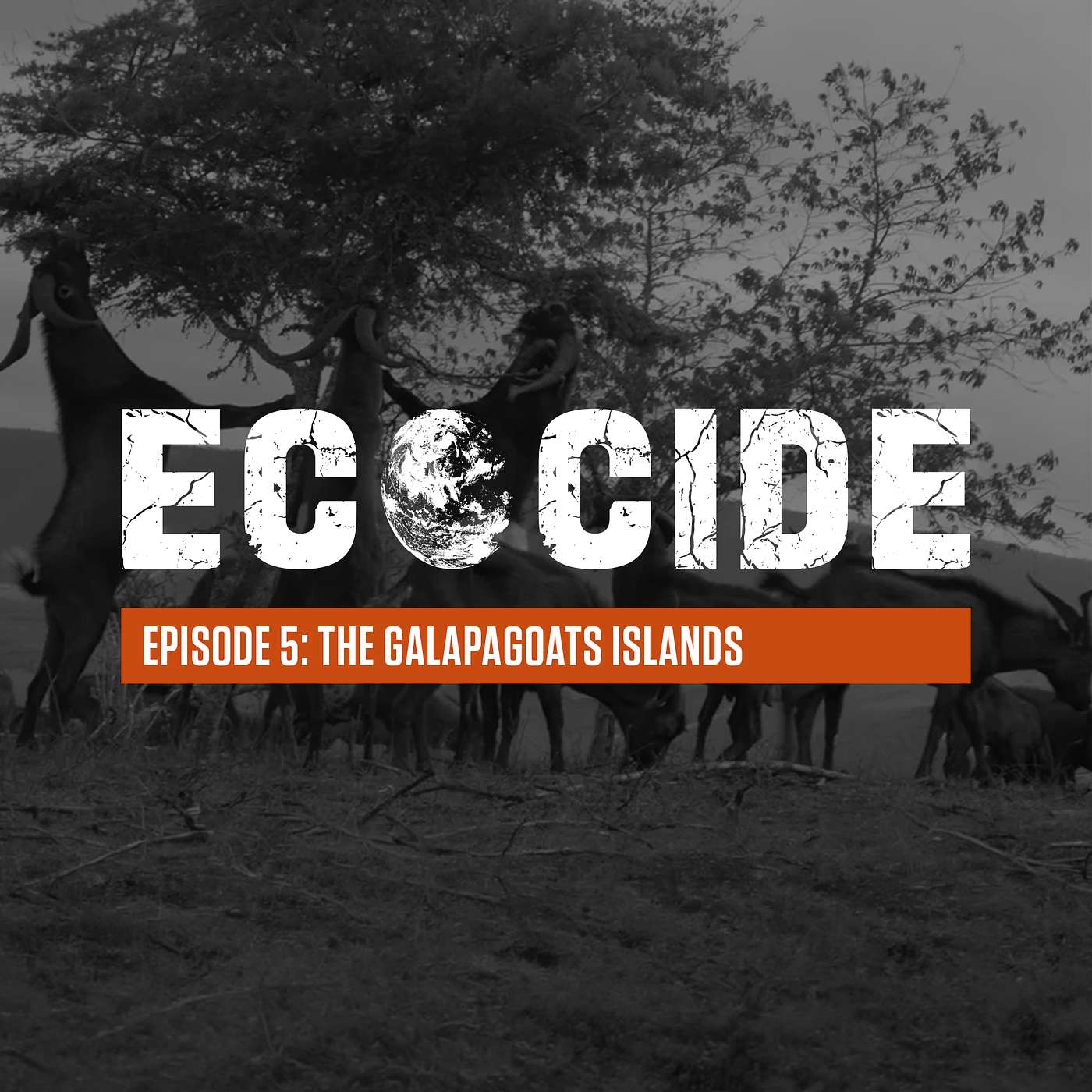
For centuries, goats in the Galápagos were a living pantry, released on islands by pirates and whalers who needed a reliable food source waiting for them when they returned. When permanent settlers arrived in the late 18

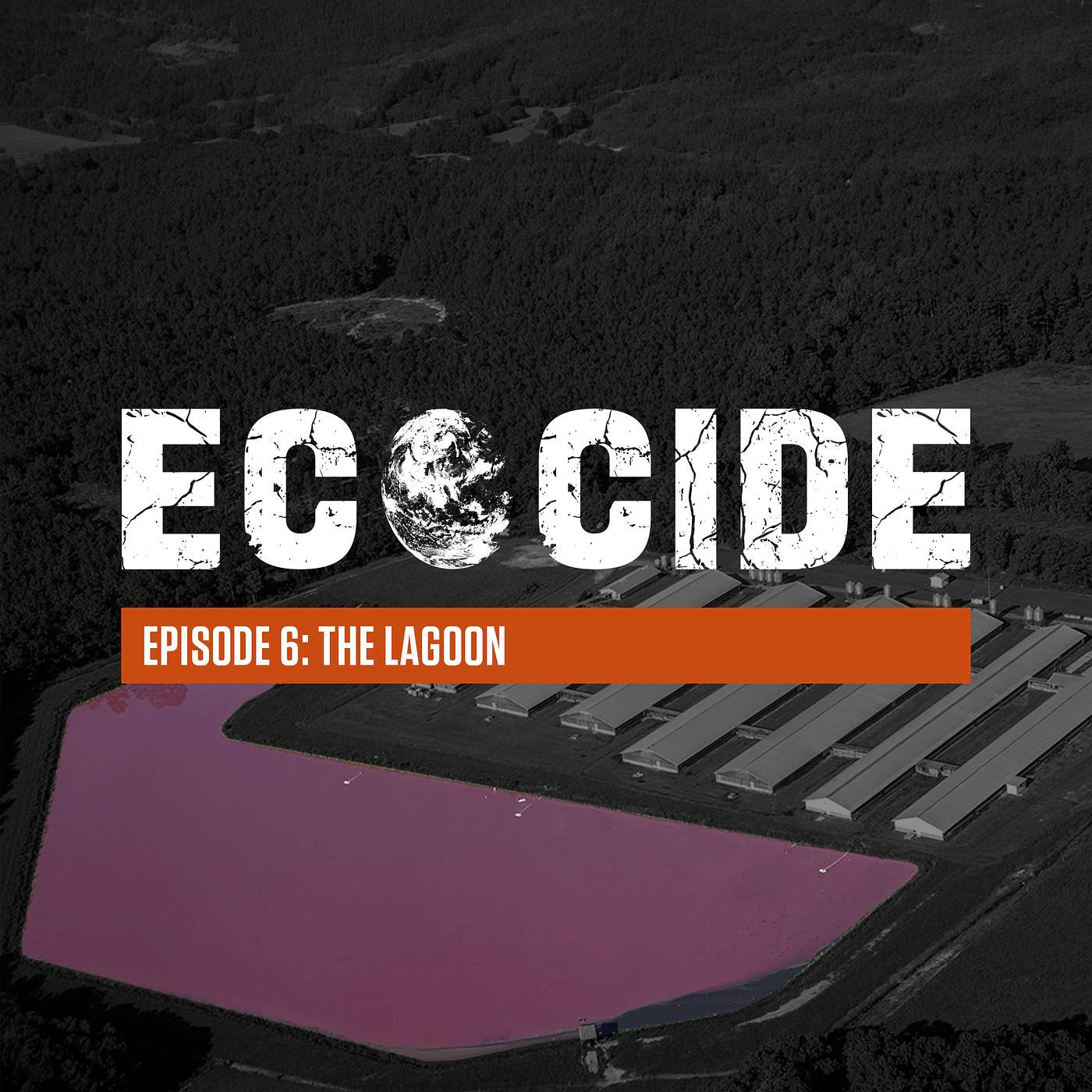
In Kewaunee County, Wisconsin, the water coming out of the tap turned the color of rust. In Bladen County, North Carolina, the air grew so thick with gases from hog waste lagoons that families couldn't sit on their own p

In 1942, the U.S. government chose a remote stretch of desert along the Columbia River in eastern Washington to build the reactors that would produce the plutonium for America's nuclear arsenal. What they left behind may

A brief introduction to Ecocide, a new narrative documentary podcast about environmental harm, the people who cause it, and the people who fight back. This trailer introduces the series and the stories we'll be telling i
Sponsor detection runs nightly. Check back soon.
No public pitch examples yet for this show.
Generate your own personalised pitchShows with the most semantically similar episode content. Pitch one, pitch all; producers cluster.


To pitch Ecocide Podcast, visit https://ecocidepod.com/ for contact information, then craft a tight one-paragraph hook that ties your expertise to a gap in their recent general coverage.
Ecocide Podcast is hosted by Unknown Host. The show is categorised under General and has published 0 episodes.
Ecocide Podcast is accessible for guests with genuine general expertise. A personalised, episode-aware pitch will still outperform a generic one every time.
Ecocide Podcast hasn't explicitly signalled guest openness in recent episodes. That doesn't rule out pitching. your hook just needs to be especially compelling and relevant to their recent content.
Episodes of Ecocide Podcast average 46 minutes. a focused format where a clear narrative arc and tight preparation matter most.
Our data rates Ecocide Podcast's guest bar at 80/100 (Premium tier). Established thought leaders with verified media credentials. Sign in to PitchCentric to see how your own Pod Score compares against this show.
Methodology. Booking Probability™ blends Listen Score, 30-day Virality, open-to-guests detection, and Apple ratings. Data refreshed every 60 minutes. Listen Score and Booking Probability are calculated by PitchCentric.