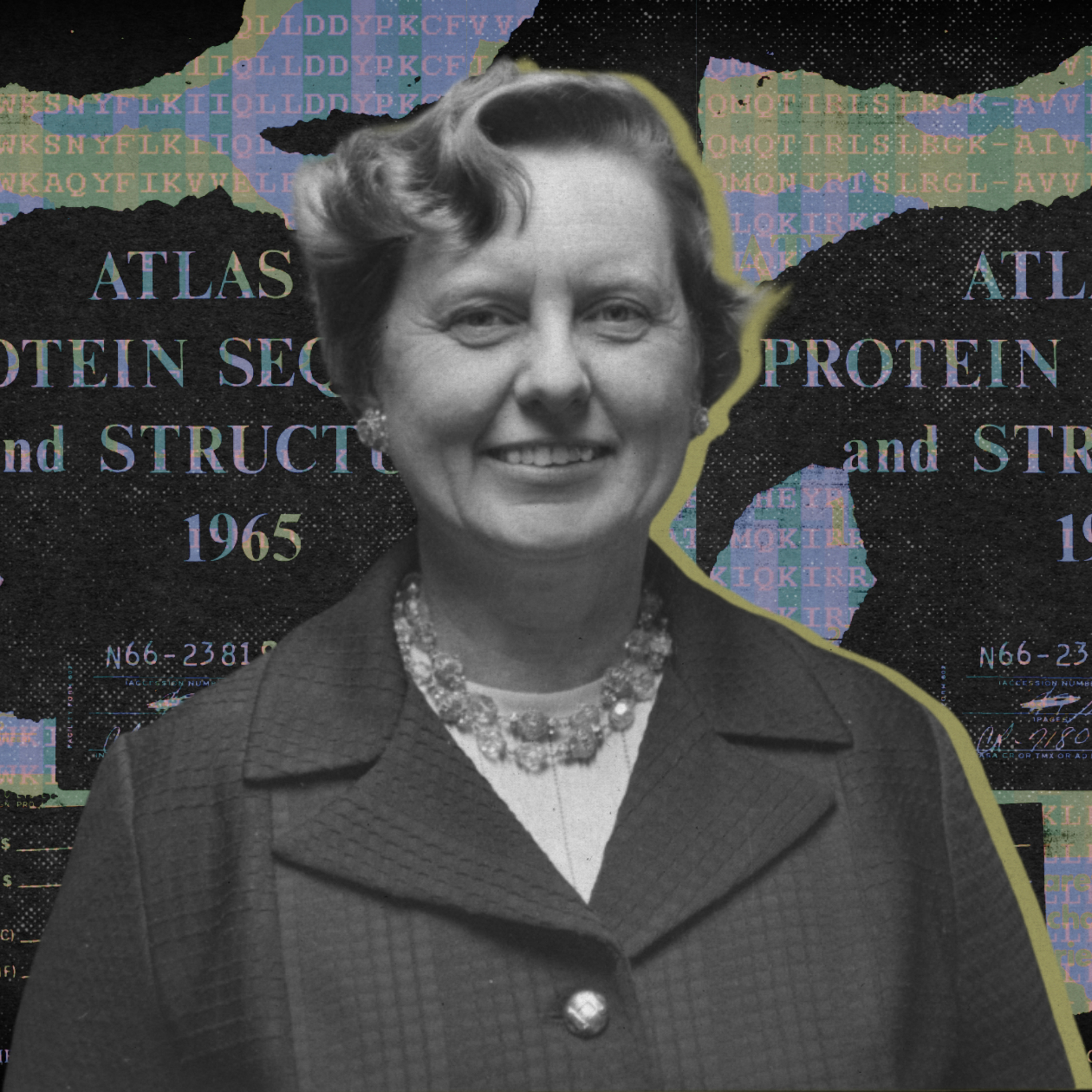
A Brief History of Bioinformatics Software
Apr 7, 202615m0
How computer scientists on the fringes of biology made sense of sequencing data. By Ella Watkins-Dulaney.

Loading…

Hosted by Unknown Host · 🇺🇸 US · EN-US · 107 episodes
Established thought leaders with verified media credentials.
Audio recordings of Asimov Press essays and science fiction, focused on the science and technologies that promote a flourishing future.
Unknown Host hosts Asimov Press, a science show with 107 episodes published.
How computer scientists on the fringes of biology made sense of sequencing data. By Ella Watkins-Dulaney.
Why scaling AI won’t automatically lead to paradigm shifts. By Alvin Djajadikerta. Read all our work at press.asimov.com.
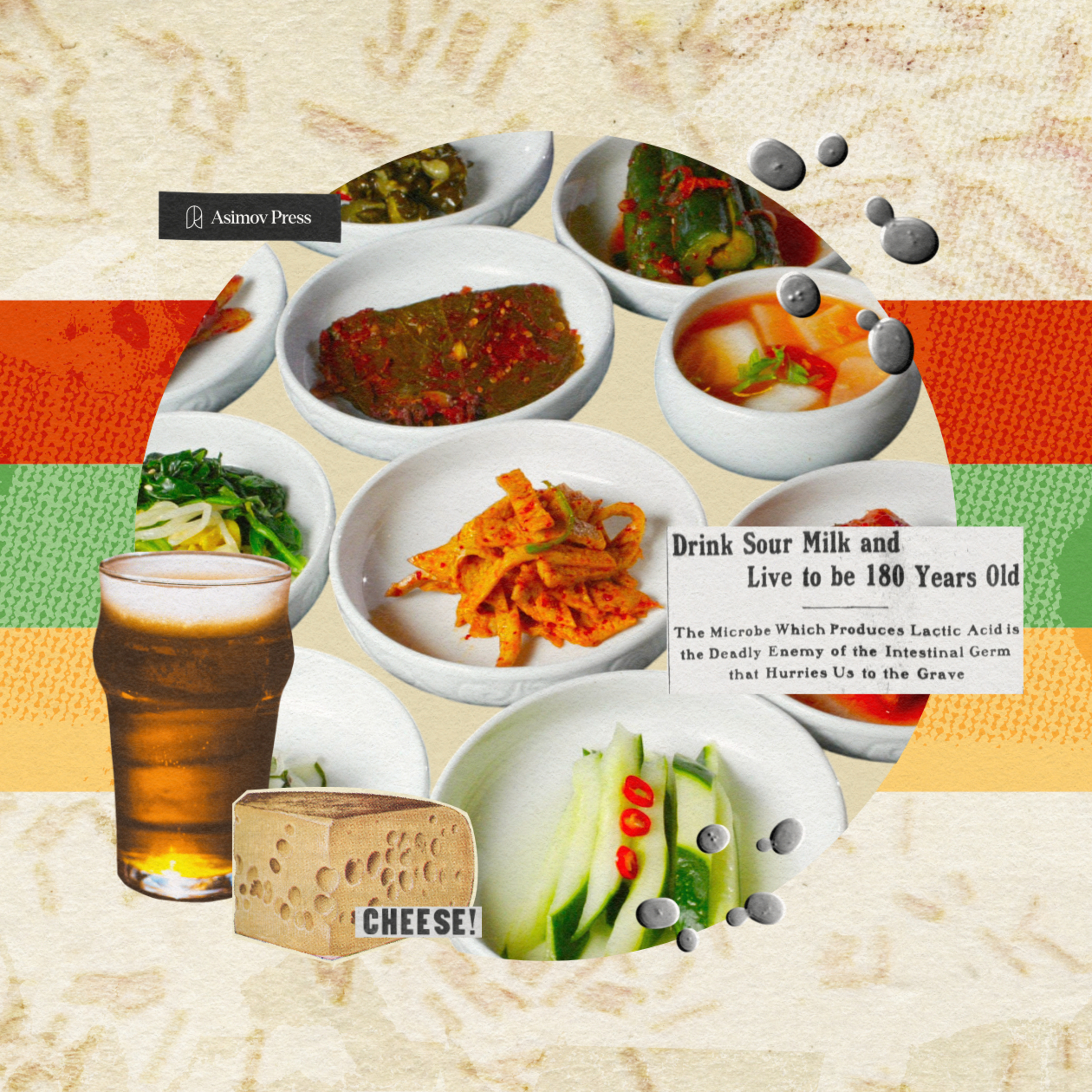
We tend to think of fermented foods as something humans invented and then chose to eat. But the evidence shows the opposite: fermented foods shaped human biology. By Rachel Dutton. Read all our work at press.asimov.com.
How a blood-stained surgeon's frock evolved into a pristine symbol of modern science. By Donna Vatnick Read all our work at press.asimov.com.
In a recent survey, three-in-four respondents said they would prefer a once‑daily oral pill over a weekly injection of GLP-1s. So why aren't there more oral options? By David S. Kim Read all our work, for free, at press.
While some bacteriophages play vital roles in laboratory research, others are bent on sabotage. By Antoine Vigouroux. Read all our work, for free, at press.asimov.com.
Viral capsid structure is a geometric packing problem under genetic constraints. By Ulkar Aghayeva Read all our work for free at press.asimov.com.
Bioarchaeologists recently identified a murdered medieval royal. Now, they are trying to shed light on other ancient deaths. By David Brzostowicki Read all our work for free at press.asimov.com.
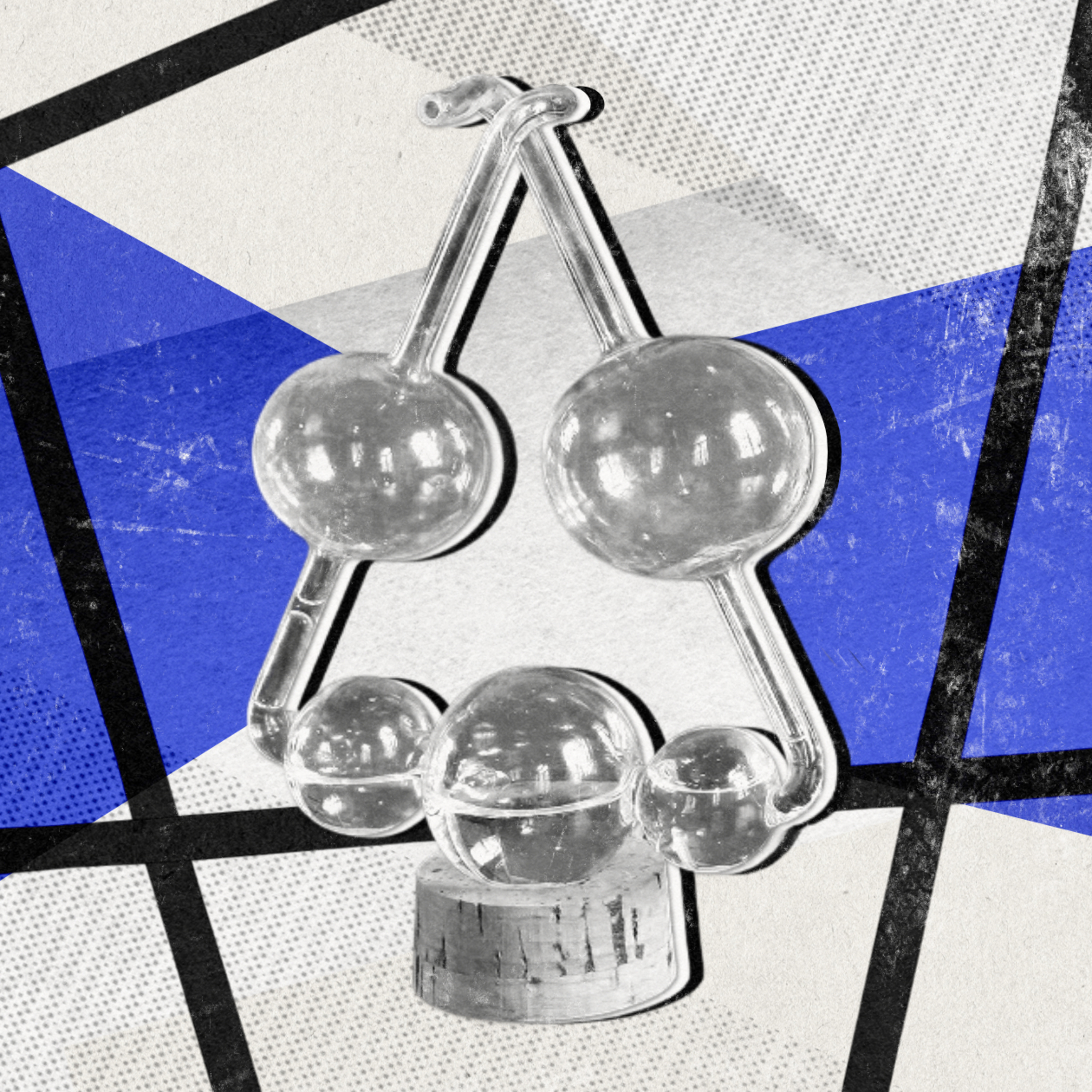
How a twisted triangle of glass tubing helped democratize chemistry and build the modern laboratory. By Spencer Wright. Read all our work for free at press.asimov.com.
What happens in a world where AIs make scientific discoveries that humans cannot understand? By Matthew Carter Read all our work at press.asimov.com.
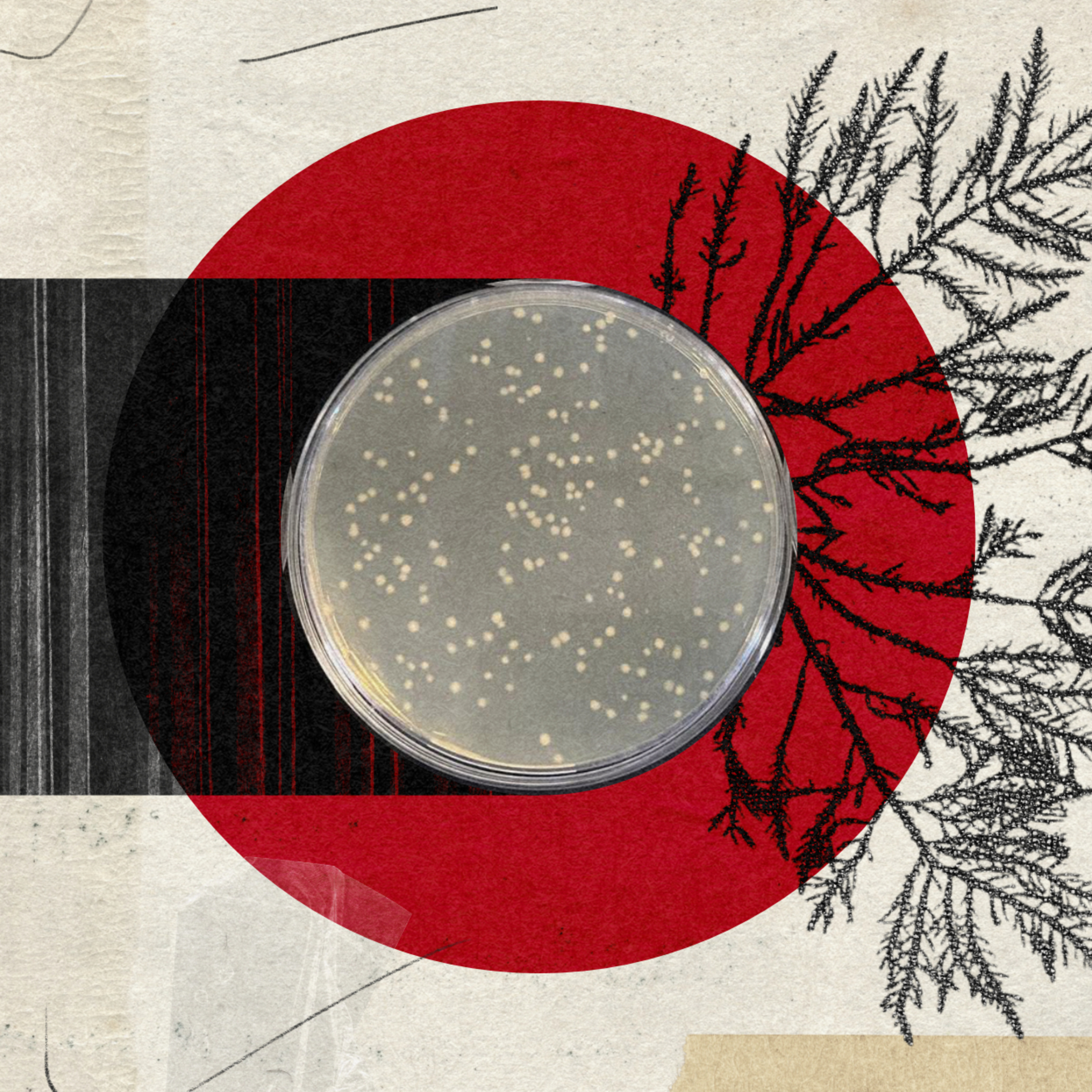
First introduced into laboratories in 1881, agar remains indispensable as a culture medium. By Corrado Nai. Read all our work, entirely for free, at press.asimov.com.
[Fiction] A eulogy to the reference human. By Eliomer H. Kaas. Read all our work, for free, at press.asimov.com.
Once a primal instinct, olfaction is now being mapped, measured, and modeled by machines. By Taylor Rayne. Read all our work, entirely for free, at press.asimov.com.
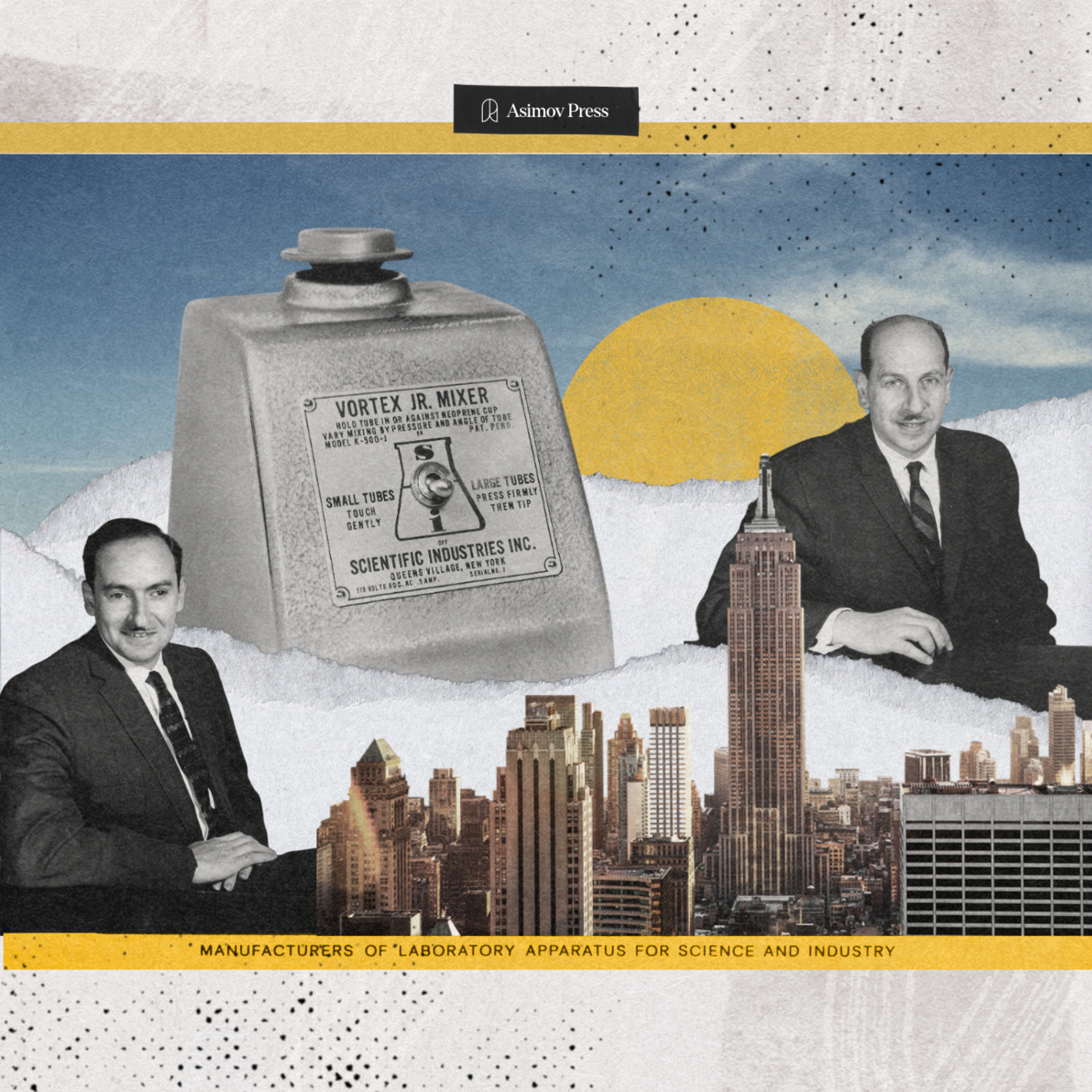
The forgotten story of an invention found in every biology lab. By Ella Watkins-Dulaney. Read all our work, entirely for free, at press.asimov.com.
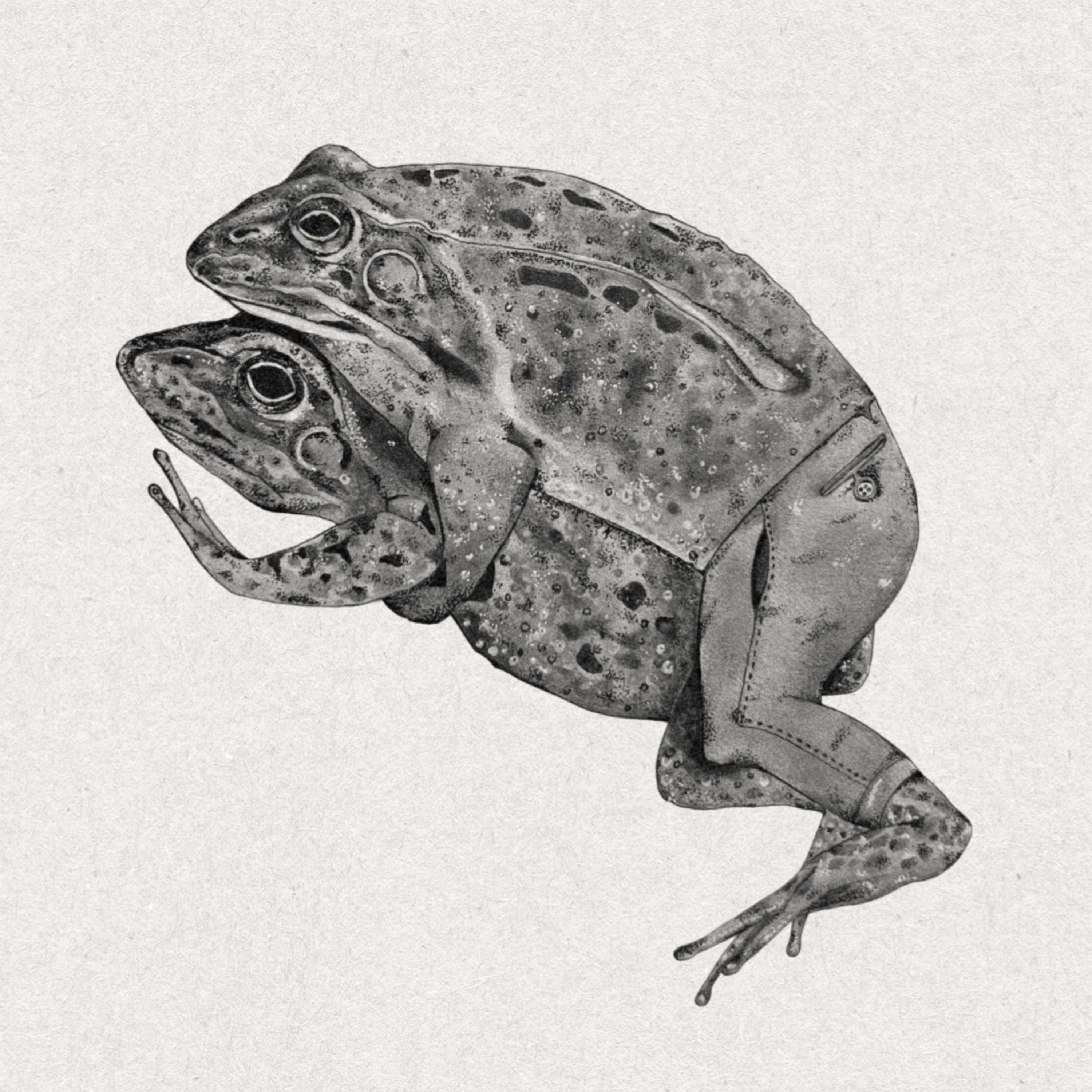
From early experiments on fertility and embryonic development to becoming the first cloned eukaryote from an adult cell, Xenopus frogs have had an outsized influence on the life sciences. By Matt Lubin. Read all articles
Finding evidence of “sentience” is fraught, whether in a comatose patient, an animal, or a neural net. By Ralph Stefan Weir. Read all our articles for free at press.asimov.com.
A roadmap for brain emulation models at the human scale. By Max Schons. Read all our work, entirely for free, at press.asimov.com.
A biological puzzle that made one researcher and ruined another might never be solved. By Brady Huggett. Read all of our articles, entirely for free, at press.asimov.com.
Cultivarium, a focused research organization, has built a custom electroporator to engineer non-model organisms at scale. By Niko McCarty. Read all our work for free at press.asimov.com.
Detected from recent episode content. Sponsor presence is a real signal of listener purchasing power and show monetisation.
No public pitch examples yet for this show.
Generate your own personalised pitchBased on semantic analysis of episode topics and host coverage, this show is a strong guest fit for executives in:
Industry fit is computed by PitchCentric using vector embeddings of the show's episode catalog.
Shows with the most semantically similar episode content. Pitch one, pitch all; producers cluster.


To pitch Asimov Press, visit https://podcasters.spotify.com/pod/show/niko-mccarty for contact information, then craft a tight one-paragraph hook that ties your expertise to a gap in their recent science coverage.
Asimov Press is hosted by Unknown Host. The show is categorised under science (natural) and has published 107 episodes.
Asimov Press has published 107 episodes.
Asimov Press regularly covers science, natural. It sits in the science category, with a natural focus.
Asimov Press is accessible for guests with genuine science expertise. A personalised, episode-aware pitch will still outperform a generic one every time.
Asimov Press hasn't explicitly signalled guest openness in recent episodes. That doesn't rule out pitching. your hook just needs to be especially compelling and relevant to their recent content.
Episodes of Asimov Press average 23 minutes. a focused format where a clear narrative arc and tight preparation matter most.
Our data rates Asimov Press's guest bar at 80/100 (Premium tier). Established thought leaders with verified media credentials. Sign in to PitchCentric to see how your own Pod Score compares against this show.
Methodology. Booking Probability™ blends Listen Score, 30-day Virality, open-to-guests detection, and Apple ratings. Data refreshed every 60 minutes. Listen Score and Booking Probability are calculated by PitchCentric. Last enriched 6 days ago.